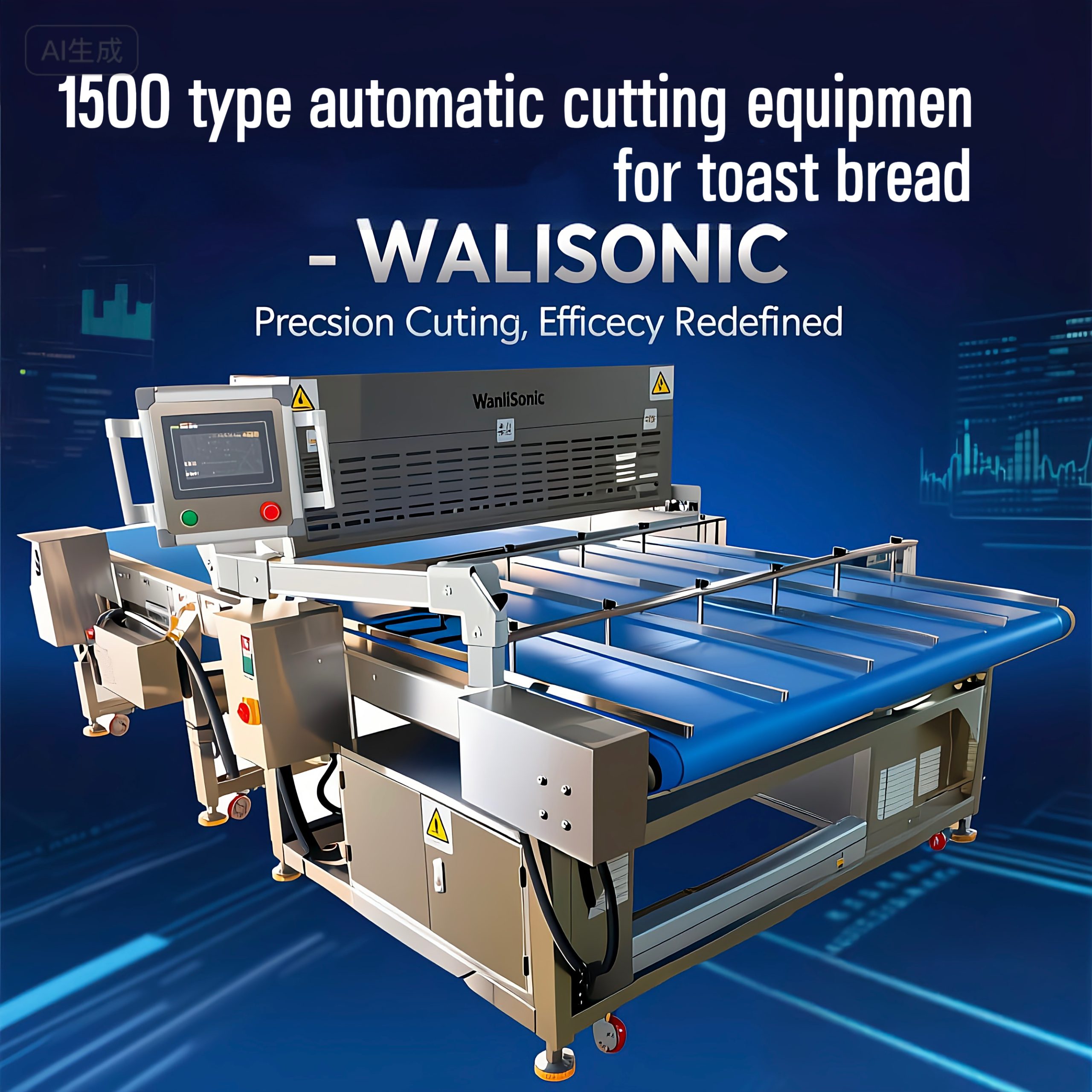
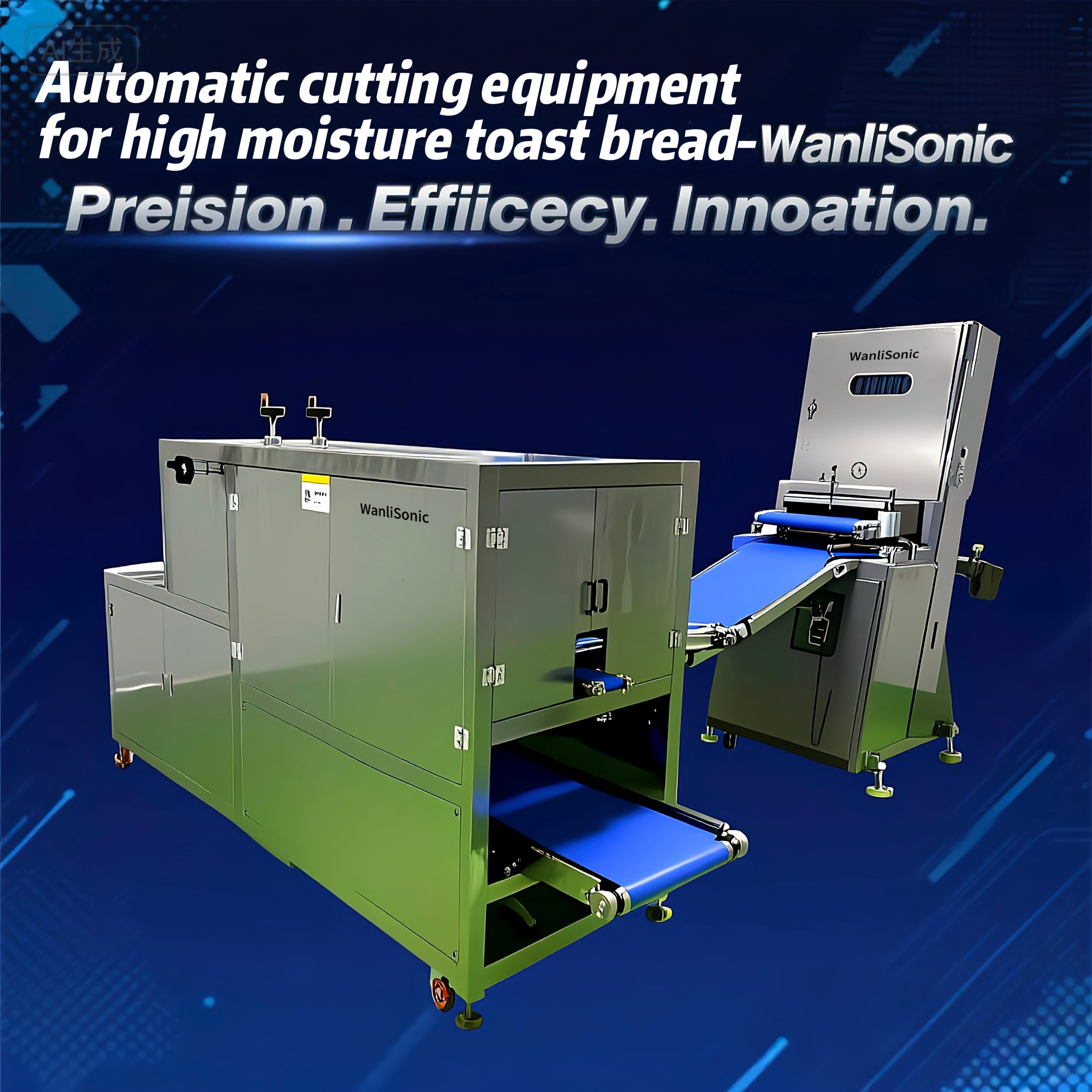
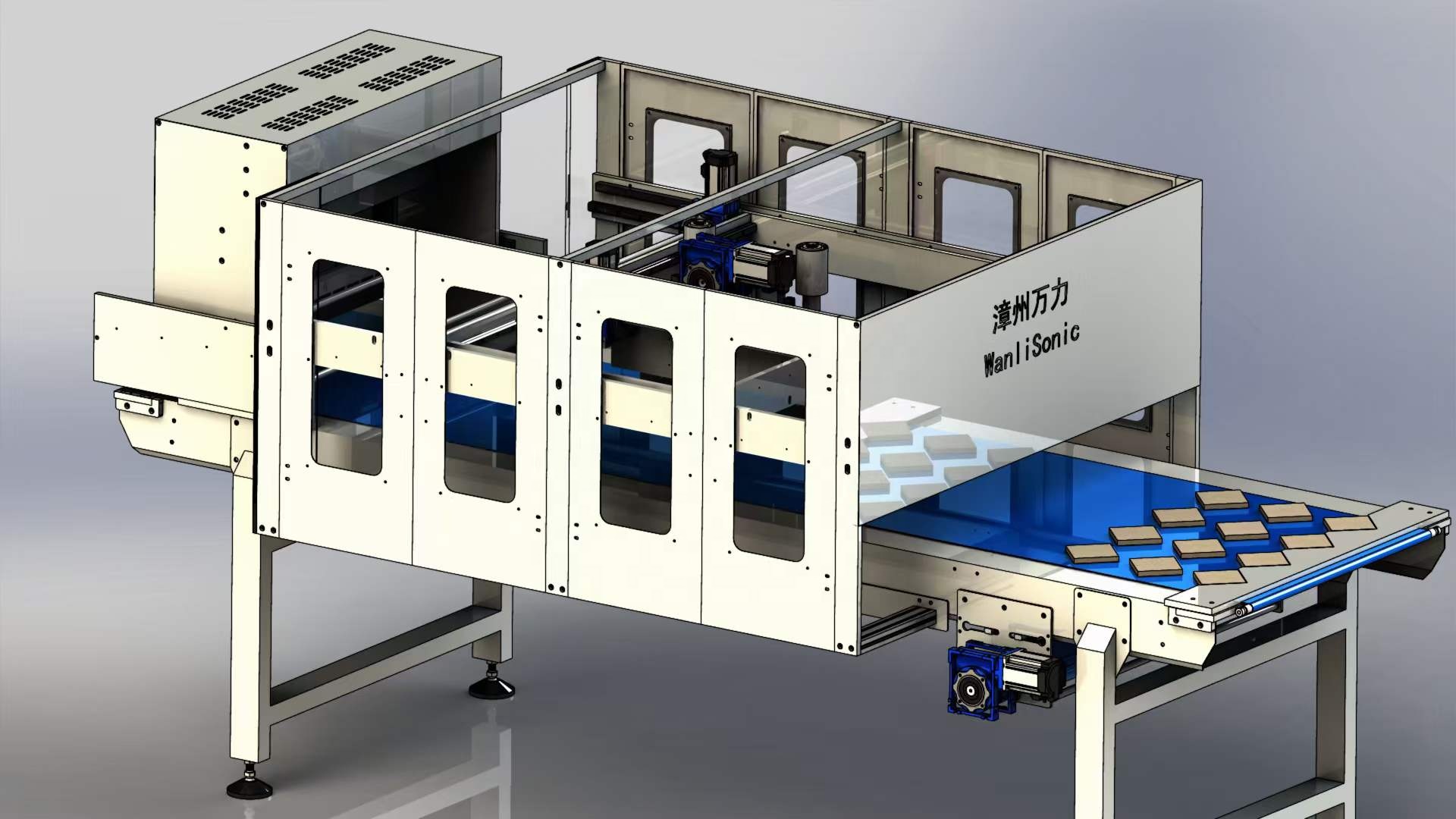
Ultrasonic Protein Bar Cutting Machine:In a significant advancement for the food processing and confectionery equipment sector, ultrasonic cutting technology is rapidly transforming how manufacturers produce high-quality protein bars and other nutritionally dense snack bars. Leading this wave of innovation is Wanlisonic, a specialist in industrial ultrasonic cutting machinery, whose latest systems promise faster, more precise, and highly hygienic cutting performance tailored to modern production demands.
From Traditional to Ultrasonic: A Shift in Cutting Precision
For decades, food producers have relied on conventional mechanical blades to cut bars, cakes, breads, and confections. While effective in basic applications, these traditional methods often encounter limitations in consistency, hygiene, and product integrity, especially with sticky or soft compositions like protein bars, granola bars, and energy bars.
Ultrasonic cutting technology introduces a major leap forward by using high-frequency vibrations — typically in the 20,000 Hz (20 kHz) range — to assist cutting blades. These vibrations greatly reduce friction between the blade and the product, allowing the blade to glide through without deforming delicate textures or sticking to the surface. The result is a clean, smooth cut with highly uniform portion sizes and virtually no waste.
Wanlisonic’s Offering: Precision Meets Productivity
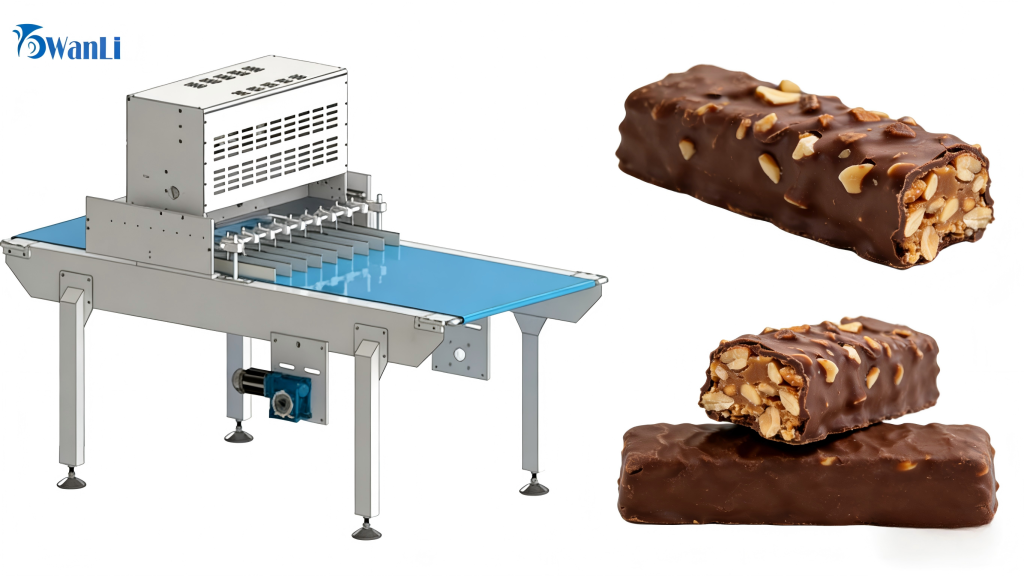
Among manufacturers pushing this technology to the forefront is Wanlisonic — known for its ultrasonic food cutting equipment, including solutions for cakes, breads, cookies, and now protein bars. A key model gaining industry attention is the Wanlisp4-300K1450L2000 Ultrasonic Protein Bar Continuous Cutting Machine.
This state-of-the-art system features:
-
Continuous ultrasonic cutting capabilities for uninterrupted production.
-
Adjustable cutting speed, with up to 60 cuts per minute for high throughput.
-
User-friendly touchscreen control with automated editing programs.
-
Food-grade stainless steel construction with titanium alloy ultrasonic blades for enhanced durability and hygiene.
For manufacturers focused on large-scale production, these improvements mean improved efficiency and product quality — without the product deformation or buildup on blades that can plague traditional blade systems.
Superior Hygiene and Maintenance
One of the most compelling advantages of ultrasonic cutting systems is their contribution to food safety. Because ultrasonic blades vibrate at high frequencies, they reduce the tendency of food to adhere to the blade surface, significantly lowering downtime for cleaning and minimizing hygiene risks. Moreover, the stainless steel and titanium materials used in Wanlisonic machines meet rigorous food-grade standards, making them suitable for high-output industrial environments.
Beyond cleaner slicing, the inherent design reduces bacterial buildup and simplifies sanitation routines — a crucial benefit in industries with stringent regulatory requirements.
Meeting Evolving Market Demands
The global protein bar market is experiencing rapid growth, fueled by rising health consciousness and demand for convenient functional foods. According to industry analysts, manufacturers today seek equipment that can ensure consistent size, texture, and appearance of bar products while minimizing production costs and waste. The shift toward ultrasonic cutting reflects these market pressures, helping businesses scale up without compromising quality.
Wanlisonic’s ultrasonic cutting machines are already being adopted by medium to large manufacturers looking to upgrade traditional cutting lines or automate their production without extensive retrofitting.
Performance Across Product Lines
While the spotlight in this report is on protein bar cutting, ultrasonic cutting technology is not limited to a single product category. Wanlisonic’s portfolio also includes machines for cakes, Swiss rolls, breads, and other confectionery items — all benefiting from the same core ultrasonic principles.
Industry observers note that the versatility of ultrasonic cutting systems makes them suitable for integrated production lines where multiple products of varying texture and density are processed. This adaptability is especially valuable as manufacturers diversify product offerings in response to consumer trends.
User Experience: Operator Control and Safety
Modern ultrasonic cutting machines like those from Wanlisonic come equipped with intuitive controls that reduce the learning curve for operators. Touchscreen interfaces allow operators to program cutting patterns, adjust speeds, and monitor system status in real time. Safety features such as protective grating and automatic fault indicators further enhance workplace safety in busy production halls.
Industry Response and Future Developments
Manufacturers adopting ultrasonic cutting solutions have reported significant improvements in operational speed, cut uniformity, and overall product presentation — factors that directly impact market competitiveness and profitability. As the technology continues evolving, experts anticipate integration with advanced automation and data-driven production systems.
While still a relatively recent addition to mainstream food processing equipment, ultrasonic cutting is already being hailed as a technology that not only enhances efficiency but also ensures greater precision and hygiene — all critical in the modern food production landscape.
FAQ
Q1: What makes ultrasonic cutting better than traditional mechanical cutting?
A1: Ultrasonic cutting uses high-frequency vibrations that reduce friction and glue-like buildup on blades, resulting in cleaner cuts, reduced deformation of soft or sticky products, and minimal waste.
Q2: Can ultrasonic cutting machines handle different types of bars and snacks?
A2: Yes — while protein bars are a key application, the same ultrasonic systems can slice granola bars, energy bars, nougats, cereals, and similar products effectively.
Q3: Are ultrasonic cutting machines suitable for high-volume production?
A3: Absolutely. Continuous cutting models like Wanlisonic’s are designed for continuous, high-speed operation, making them ideal for large-scale manufacturing facilities.
Q4: How do hygienic standards improve with ultrasonic technology?
A4: Ultrasonic blades reduce food sticking, allowing less frequent cleaning and minimizing bacterial buildup. Food-grade materials like stainless steel and titanium also boost sanitation.
Q5: Does ultrasonic cutting reduce production costs?
A5: Yes — by improving speed, consistency, and reducing waste, manufacturers can lower overall production costs over time.
Contact Information: Annie (Senior Customer Consultant)
📧 Email: sales3@wanlisonic.com
📞 Tel / WhatsApp / WeChat: 008615880521772