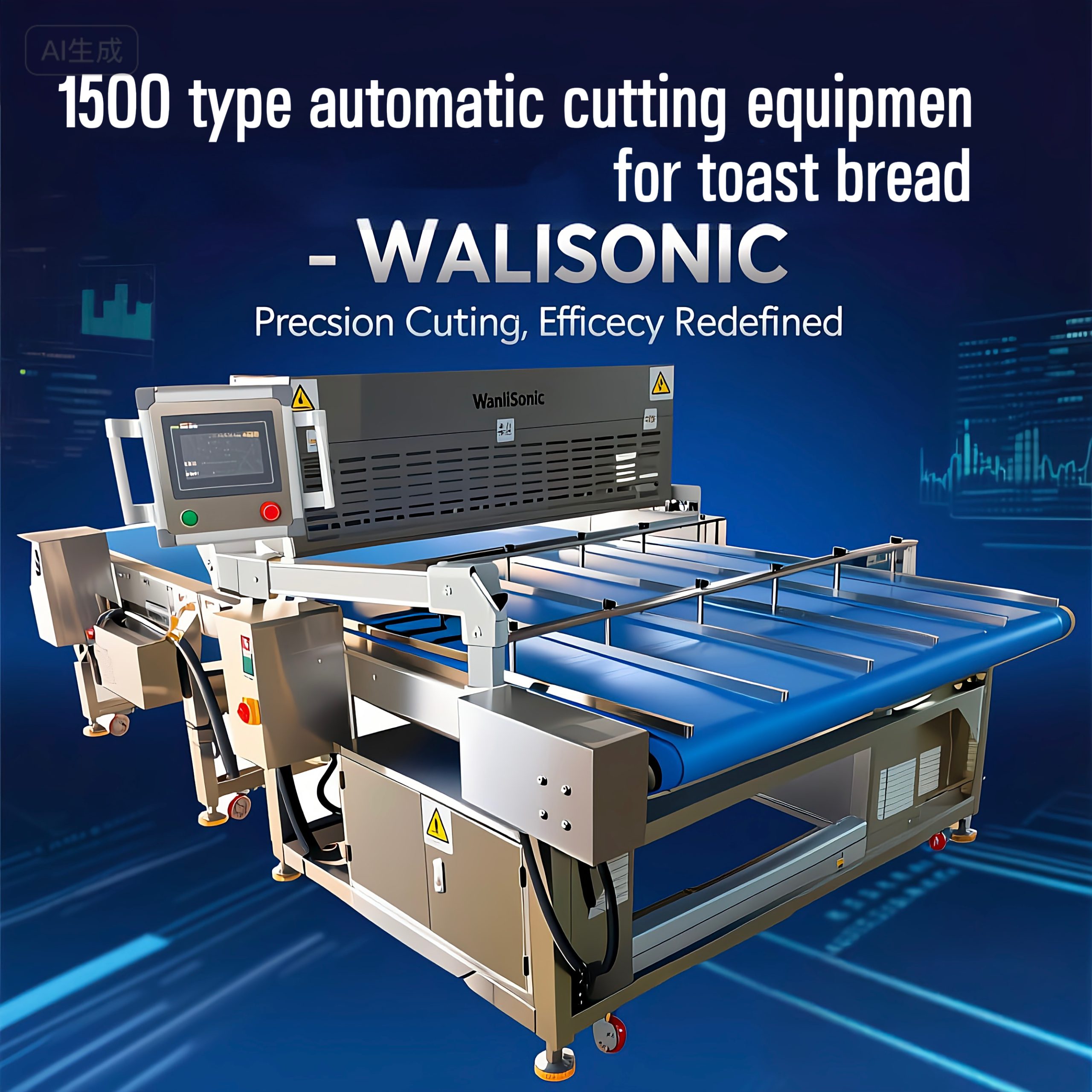
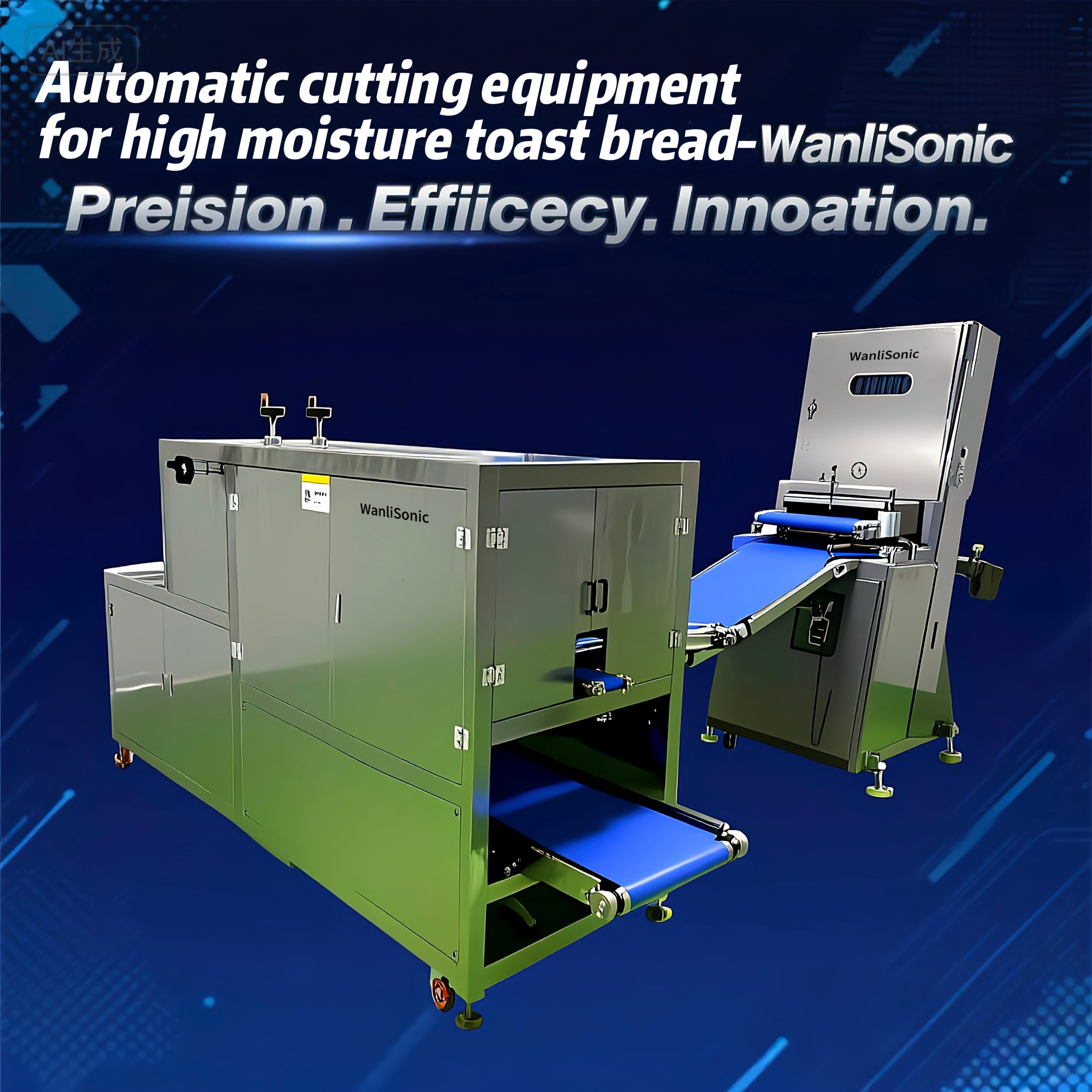
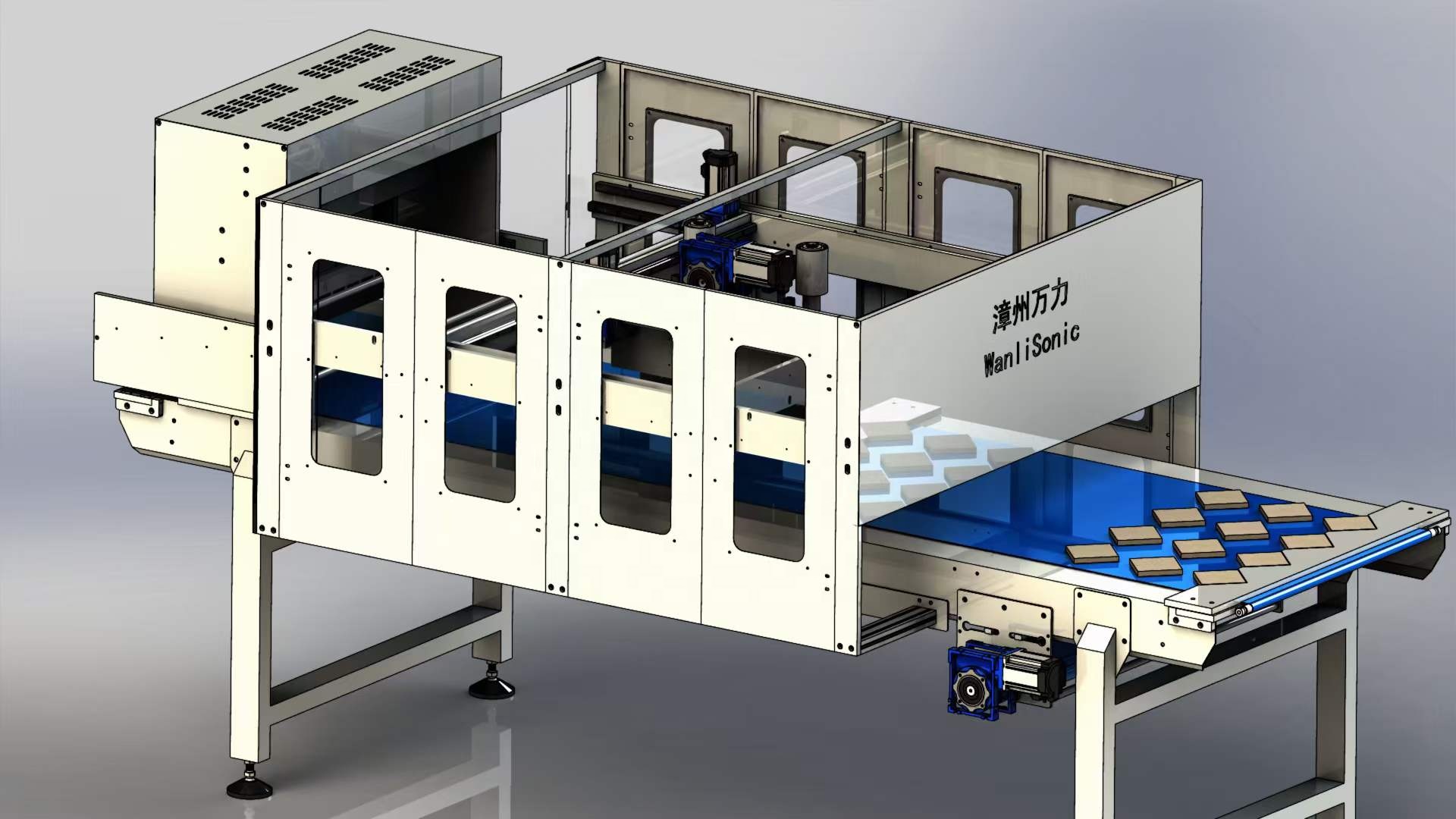
In the rapidly evolving world of confectionery manufacturing, one piece of technology is reshaping how sticky, viscous sweets like caramel are processed — the ultrasonic caramel cutting machine. Designed to overcome the limitations of traditional mechanical blades, this advanced system uses high-frequency vibration to deliver unrivaled precision, hygiene, and efficiency across industrial candy lines. At the forefront of this transformation is Wanlisonic, a global leader in ultrasonic food cutting solutions whose latest machines are rapidly gaining traction among confectionery producers worldwide.
Caramel — beloved for its rich flavor and chewy texture — presents unique challenges during production. Conventional blades can stick, tear, or deform the product, leading to inconsistent portions, increased waste, and lower yield. Ultrasonic technology tackles these problems head-on by harnessing vibrations at tens of thousands of cycles per second to create nearly friction-free cuts that maintain integrity from batch to batch.
Why Caramel Cutting Is a Manufacturing Challenge
Caramel’s appeal comes from its soft yet resilient texture, blending sugar, butter, and dairy into a stretchy confection that’s difficult to slice cleanly. Traditional cutting systems rely on sharp edges and mechanical force — a combination that often leads to product adhesion, tearing, and misshapen pieces after slicing. This not only reduces visual appeal but also impacts packaging efficiency and product pricing.
Ultrasonic cutting dramatically changes the game by minimizing physical resistance during the cutting process. Instead of relying solely on edge sharpness and brute force, ultrasonic systems use rapid vibration to reduce friction between the blade and the caramel surface, delivering cleaner, smoother cuts without sticking. This technology is especially effective for caramel, nougat, fudge, and other confectionery products with variable moisture content and viscoelastic properties.
Wanlisonic’s Ultrasonic Caramel Cutter: Precision Meets Production Demand
Wanlisonic’s ultrasonic caramel cutting machine is more than just a cutting tool — it’s a carefully engineered system built for modern confectionery environments. Featuring high-frequency titanium blades and intelligent control interfaces, these machines are designed to deliver consistent output at scale while preserving the delicate features of complex sweets.
Advanced Vibration Technology for Superior Cuts
At the heart of the machine is an ultrasonic blade that vibrates at high frequencies (typically between 20,000 Hz and 40,000 Hz). This vibration greatly reduces the resistance encountered during cutting, allowing the blade to glide through sticky caramel and similar textures without compressing, tearing, or sticking to the surface. The result is a smooth, professional finish where each piece retains its shape and quality — something that has historically been a challenge for confectionery manufacturers.
This near-frictionless cutting action also reduces blade wear and tear, meaning less maintenance, fewer blade replacements, and lower long-term operational costs — a compelling advantage for high-volume production lines.
Intelligent Operation and Enhanced Efficiency
Wanlisonic’s equipment incorporates advanced touchscreen interfaces and pre-set production protocols that allow operators to instantly adjust cutting parameters such as slice thickness, speed, and pattern. This flexibility is essential for confectionery lines that produce multiple product formats — from soft caramels to harder toffees — without lengthy downtime between changeovers.
Moreover, the system’s intelligent design includes automated temperature monitoring and vibration control to maintain optimal cutting conditions. This ensures smooth operation even as candy formulations or line speeds change, offering confectionery producers the responsiveness required in today’s fast-paced markets.
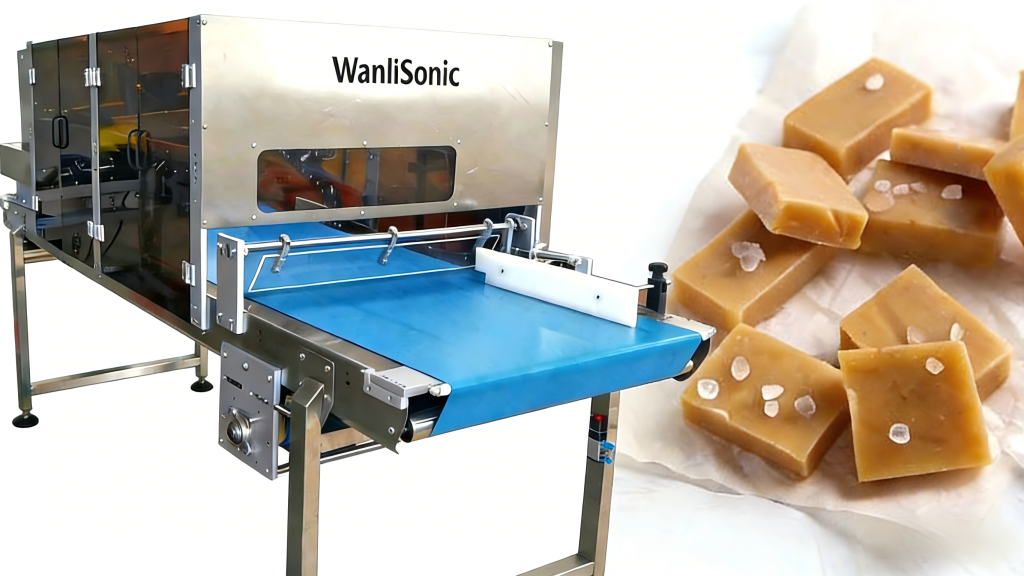
Clean, Hygienic Production with Minimal Waste
One of the standout advantages of ultrasonic cutting is the reduction in product residue adhering to blades. Traditional confectionery blades often carry sticky remnants that necessitate frequent cleaning and sanitation — slowing production and increasing labor costs. Ultrasonic blades resonate so rapidly that food particles are far less likely to cling to the cutting edge, significantly decreasing cleaning downtime.
The hygienic benefits extend beyond ease of cleaning. Because the blades avoid sticky buildup, the risk of bacterial contamination during production drops, which is crucial for food safety compliance, especially under regulations such as HACCP and FDA standards that many global confectionery manufacturers must follow.
Transforming Confectionery Lines: Practical Benefits for Producers
1. Uniform Quality and Presentation
Ultrasonic cutting ensures every caramel piece — whether cubes, rectangles, or shaped portions — is identical in size and surface finish. This consistency not only enhances shelf presentation but also improves packaging efficiency and overall product value.
2. Reduced Labor and Costs
With easier cleaning cycles and automated operation, manufacturers can reduce manual labor requirements and decrease the likelihood of production bottlenecks. This translates into cost savings over time and shorter turnaround for seasonal or high-demand product runs.
3. Enhanced Throughput and Scalability
High-volume production environments benefit from the machine’s consistent performance and programmable cutting routines. Manufacturers can scale output without losing product quality, making ultrasonic cutting an ideal fit for both boutique candy makers and global confectionery enterprises.
Looking Ahead: The Future of Ultrasonic Confectionery Cutting
As market demand for premium candies and artisanal sweets grows, production tools must evolve to keep pace. Ultrasonic cutting technology represents a leap forward, enabling manufacturers to handle complex textures and sticky formulations more efficiently than ever before.
Industry analysts predict that ultrasonic systems like those developed by Wanlisonic will soon become standard equipment for confectionery production lines seeking competitive advantage through quality and automation. With ongoing innovations in intelligent control interfaces, vibration optimization, and integration with automated packaging lines, the role of ultrasonic cutting in food processing will only expand.
FAQ — Ultrasonic Caramel Cutting Machine
Q1: What makes ultrasonic cutting better for caramel than traditional methods?
A: Ultrasonic cutting uses high-frequency vibration to minimize friction, enabling clean, smooth cuts without sticking or deformation — a common issue with sticky confectionery.
Q2: Can ultrasonic machines handle different candy textures?
A: Yes — from soft caramels to harder nougats and fudge, ultrasonic cutters provide consistent results across varied textures without needing extensive blade sharpening or frequent replacements.
Q3: How does ultrasonic cutting improve hygiene?
A: Rapid blade vibration prevents food residue buildup, reducing cleaning time and contamination risk — an important benefit for compliance with food safety standards.
Q4: Are ultrasonic cutting machines easy to operate?
A: Modern systems like those from Wanlisonic feature intuitive touchscreen controls and programmable settings, making them accessible even to operators with limited experience.
Q5: Does ultrasonic cutting reduce production waste?
A: Yes — smooth, precise cuts mean fewer rejects, less crumbling, and better yield overall compared to mechanical blade systems.
Contact Information: Annie (Senior Customer Consultant)
📧 Email: sales3@wanlisonic.com
📞 Tel / WhatsApp / WeChat: 008615880521772