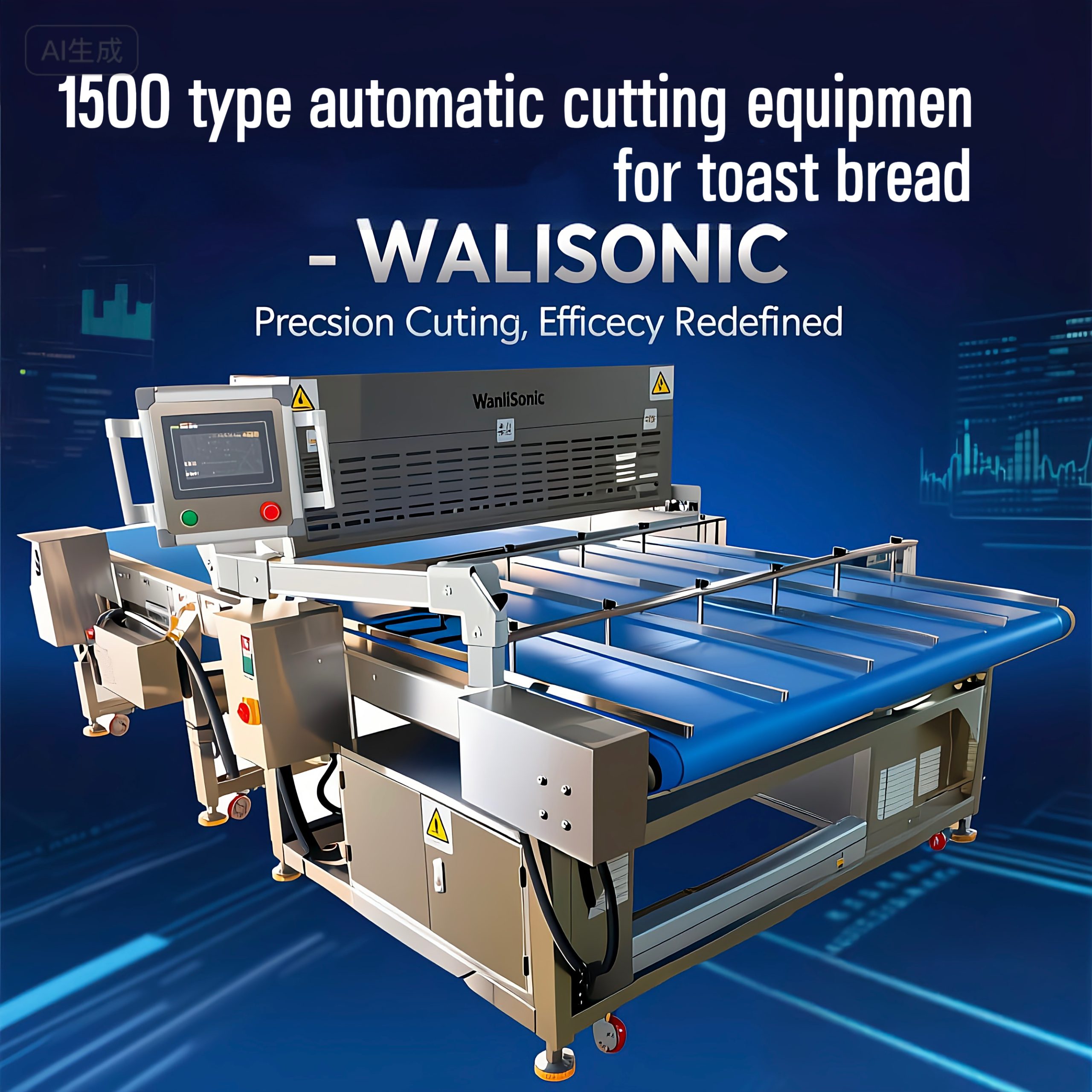
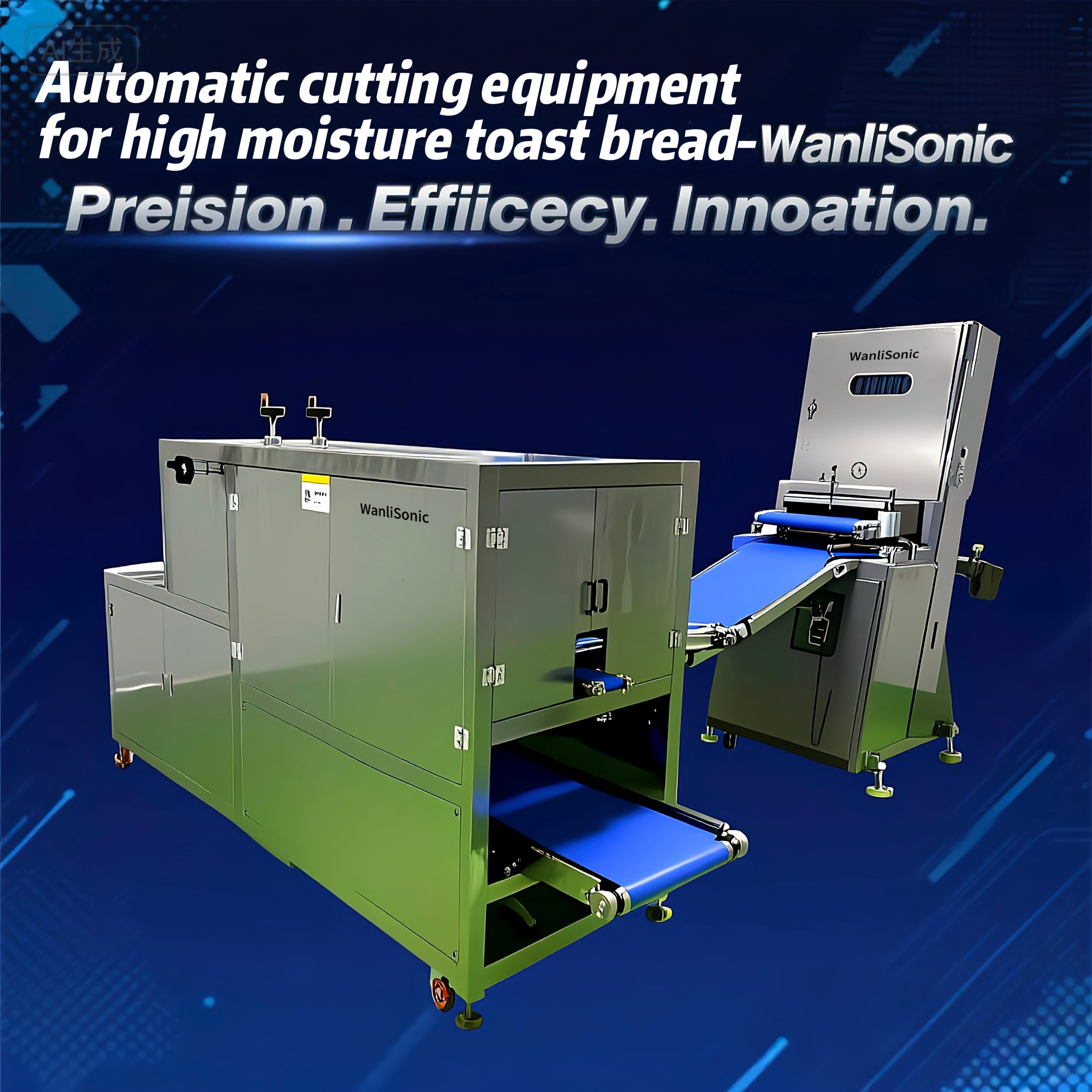
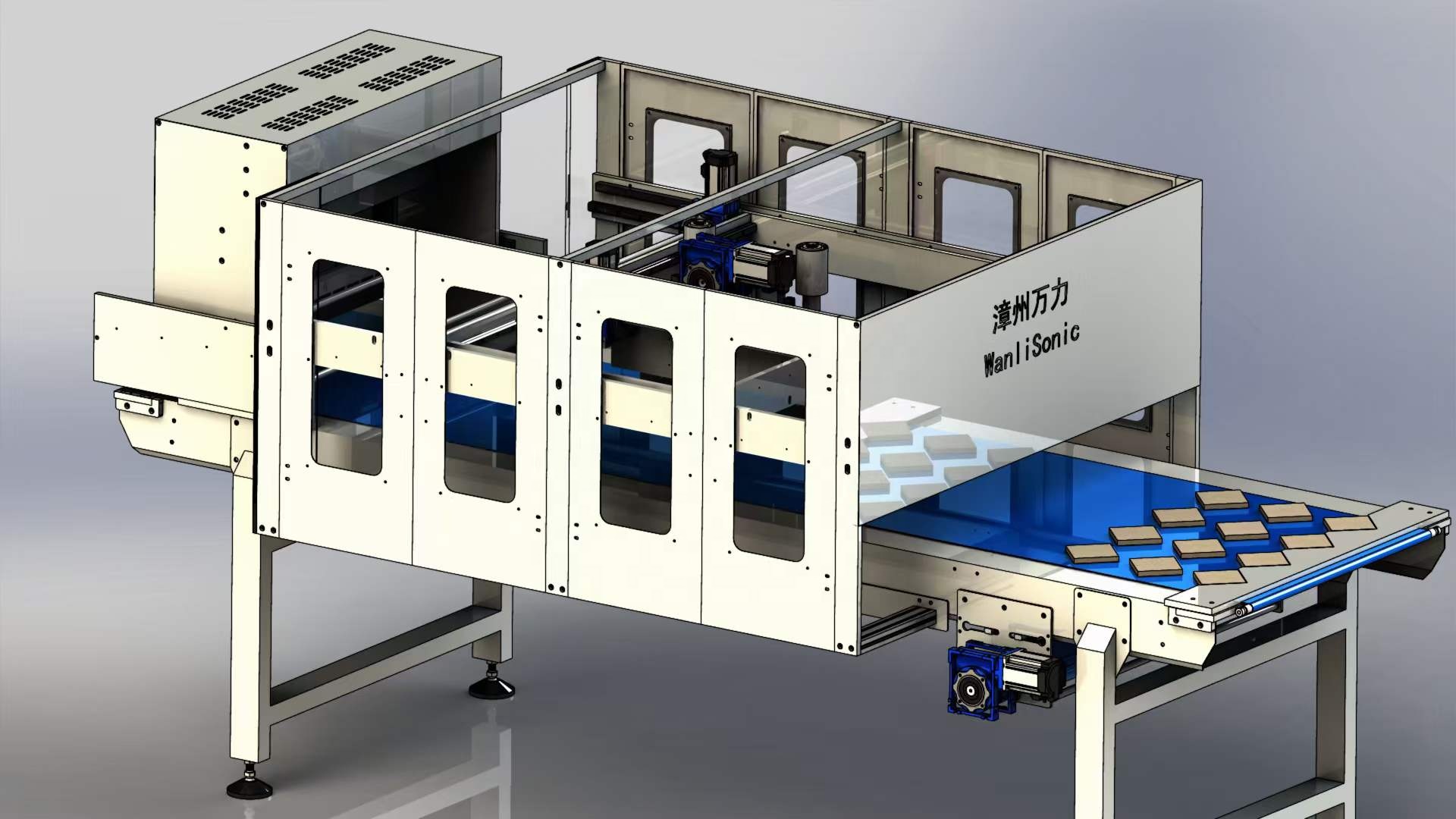
In the highly competitive bakery and confectionery industry, efficiency and quality have become paramount. Bakers and manufacturers are constantly seeking solutions that deliver precise, consistent slicing without compromising product texture or appearance. This challenge is especially evident when working with delicate baked goods like sponge cakes, cream-filled cakes, frozen desserts, and layered pastries.
A recent video demonstration of the Wanlisonic Ultrasonic Cake Cutting Machine (YouTube link above) offers a compelling answer to that challenge, showcasing how ultrasonic technology is rapidly emerging as a transformative force in industrial cake cutting and portioning solutions.
This technology promises not only to improve slicing quality but also to increase production output, reduce waste, and simplify operations across commercial baking lines. So what makes ultrasonic cutting so compelling — and how is Wanlisonic positioning itself at the forefront of this innovation? Let’s explore.
What Is Ultrasonic Cake Cutting Technology?
At its core, ultrasonic cutting replaces traditional rotary knives or guillotines with blades that vibrate at ultrahigh frequencies — typically above 20 kHz. These vibrations create a microscopic “sawing effect” that slices through cake with extremely low friction and minimal pressure. Unlike conventional blades, ultrasonic cutters don’t grind into or compress the product; instead, they soften the material locally and glide smoothly through it, resulting in clean, uniform cuts.
For cake products — especially those with sticky icings, soft sponge, or delicate layers — this means:
- Neat, consistent surfaces on every slice
- Reduced cake deformation
- Minimal sticking or tearing of cream or jam layers
- Faster cut cycles and increased yield
Moreover, the ultrasonic blades are often made from titanium or food-grade alloys to ensure durability and hygienic operation — meeting the stringent standards required in food processing environments.
Why Traditional Methods Fall Short
Traditional cake cutting machinery relies on sharp blades powered mechanically. While effective for firm products, they struggle with:
- Sticky frostings and creams that cling to blades
- Soft textures that compress under blade pressure
- Irregular slice thickness and inconsistency
- Frequent cleaning and blade maintenance
In contrast, ultrasonic cutting dramatically reduces friction and prevents product adhesion. During cutting, the high-frequency vibration locally heats and softens the cake surface, creating a clean break without spreading crumbs or tearing texture — a feature particularly valuable in high-quality pastry production.
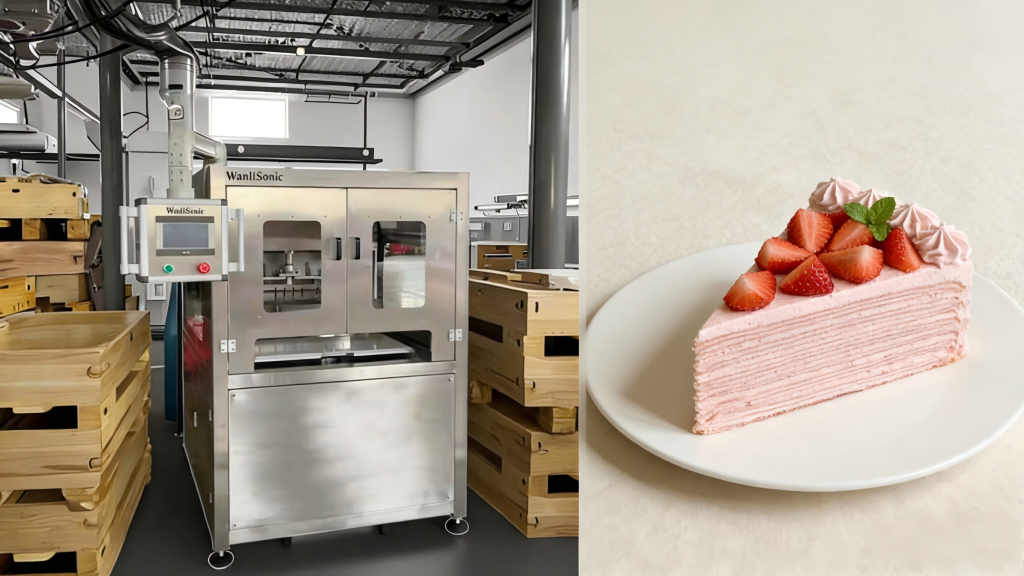
Inside the Wanlisonic Ultrasonic Cake Cutting Machine
The video demonstration highlights several advantages of Wanlisonic’s design, illustrating its performance in real industrial settings. Key capabilities include:
1. Precision Slicing Across Multiple Dimensions
Wanlisonic’s system incorporates both longitudinal and cross-cutting mechanisms, allowing operators to produce square, rectangular, wedge, or even custom portion shapes with high accuracy. This versatility enables bakeries to tailor portioning to their market demands — whether for plated servings, pre-packaged products, or wholesale distribution.
2. Fully Automated Conveyor Integration
Seamlessly integrating with existing conveyor systems, the machine can run continuously, processing large batches with minimal operator intervention. Adjustable parameters like feed speed, slice thickness, and cutting patterns are programmable via the interface, reducing the learning curve for operators.
3. Non-Stick, Hygienic Operation
Sticky elements like buttercream or mousse no longer pose a slicing problem. The ultrasonic vibration prevents food from clinging to blades, significantly cutting down on cleaning time and reducing contamination risk.
4. Consistent Results Across Product Types
Whether cutting frozen cakes, standard sponge cakes, or complex multi-layer treats, the ultrasonic cutter maintains consistent slice quality while protecting structural integrity. This feature is essential for both aesthetic presentation and packaging optimization.
How This Technology Benefits Bakeries and Food Manufacturers
Transitioning to ultrasonic cake cutting machines offers several clear advantages:
Enhanced Speed and Output
Ultrasonic technology handles high production demands, enabling bakeries to process hundreds of portions per hour — far more than a manual or semi-automated blade system.
Improved Product Consistency
Accurate portioning not only enhances presentation but also ensures consistent serving sizes — critical for retail packaging and customer satisfaction.
Reduced Waste and Labor Costs
With precise cuts that minimize cake deformation and waste, bakeries can significantly improve yield. Automated slicing also reduces manual labor costs and helps streamline operations.
Better Hygiene and Food Safety
Fewer manual touches, easier blade cleaning, and reduced product friction contribute to improved sanitation — a key concern in food production.
Real-World Applications Across the Industry
Ultrasonic cutting isn’t just for sponge cake:
- Cheesecakes and mousse desserts benefit from clean edges and minimal breakage.
- Frozen cakes and ice cream cakes are cut without thawing or warping.
- Layered pastries and deli products maintain their internal structure — a major improvement over mechanical cutting.
These features make ultrasonic cutting especially attractive for bakeries with high aesthetic requirements or those scaling up for commercial distribution.
FAQ-Ultrasonic Cake Cutting Machine
Q1: How does ultrasonic cutting differ from traditional mechanical cutting?
A: Ultrasonic cutting uses high-frequency vibration to slice through products with minimal pressure and friction, leading to cleaner cuts and reduced deformation compared to conventional blades.
Q2: Is the ultrasonic blade suitable for sticky creams and frostings?
A: Yes — the vibration prevents sticky ingredients from clinging to the blade, improving hygiene and reducing maintenance.
Q3: Can this machine handle frozen products?
A: Ultrasonic cutters can slice both frozen and fresh cakes effectively, maintaining consistency even at low temperatures.
Q4: Does this technology increase production efficiency?
A: Absolutely — the automation, consistency, and high throughput result in significant labor savings and faster operations.
Q5: What types of cakes can it cut?
A: From sponge and mousse cakes to ice cream, cheesecakes, and layered desserts — ultrasonic technology is versatile across many cake types.
Contact Information:
Lucy Zheng (Senior Customer Consultant)
📧 Email: sales4@wanlisonic.com
📞 Tel / WhatsApp / WeChat: +86 15715037520