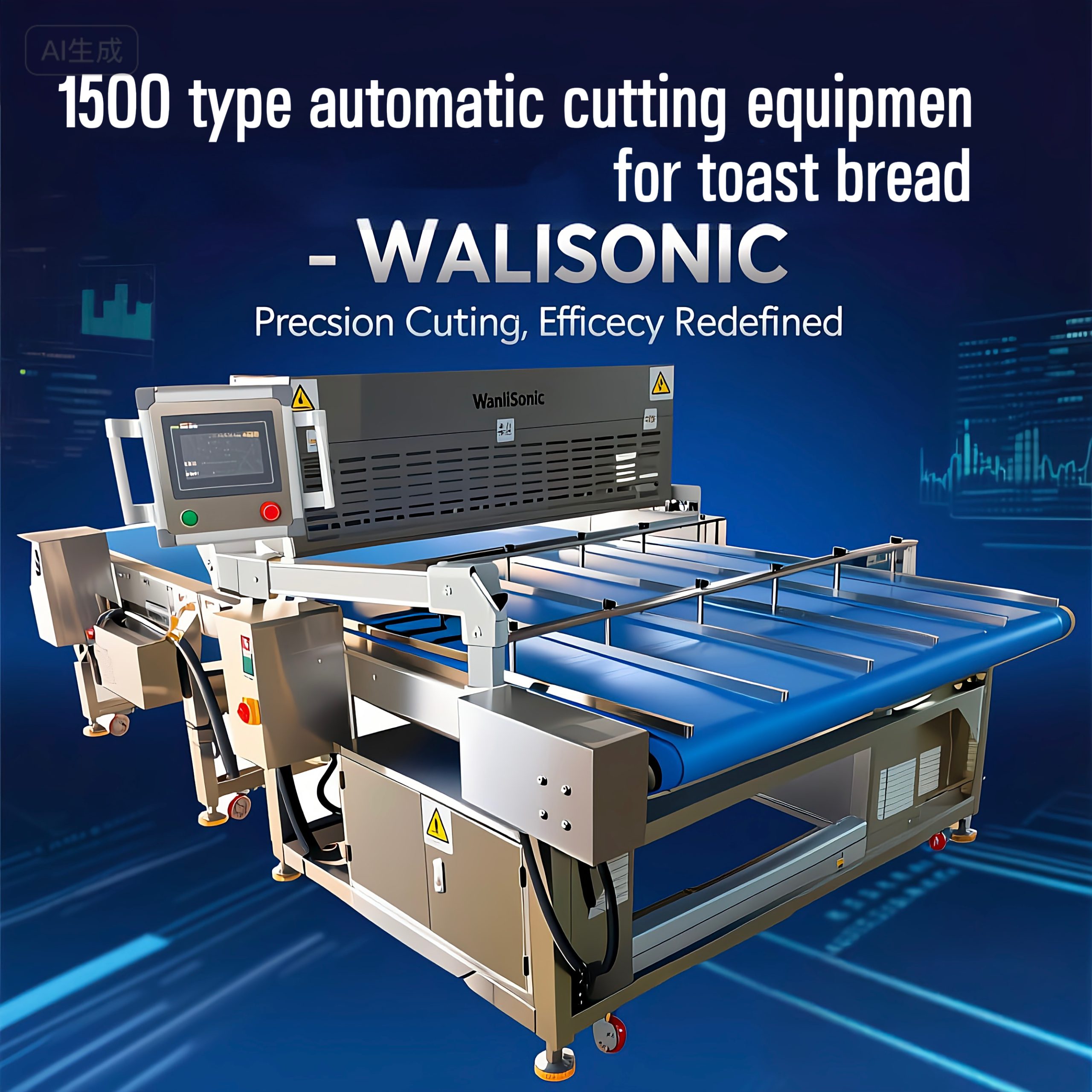
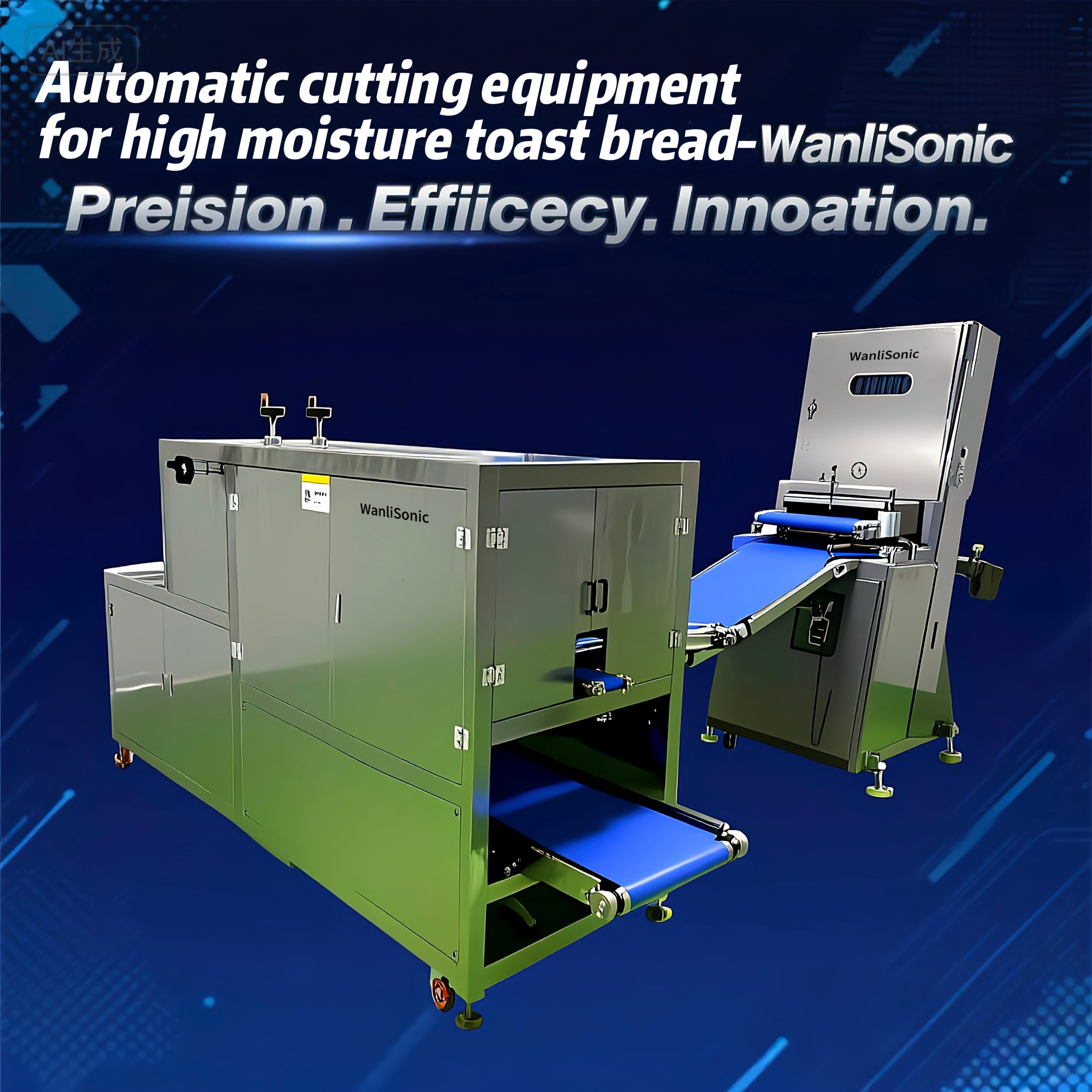
In the world of bakery production — whether artisan patisseries or high-volume industrial facilities — there’s one challenge that consistently slows down workflow, adds waste, and impacts presentation quality: precise cake slicing. Traditional knives and mechanical blades, while familiar, often fail to deliver the clean, uniform cuts that modern consumers expect. But a new generation of machines, showcased in a recent Cake Cutting Machine video on YouTube, is changing the game by combining automation and advanced cutting technology to transform how baked goods are portioned and presented.
This news feature explores how this machine works, how it benefits bakers, and why many see it as a breakthrough in automated cake production.
From Manual Slicing to Automated Precision
The process of cutting cakes may sound mundane, but anyone who has worked in a bakery knows the challenges: sticky frosting clinging to blades, delicate sponge layers tearing, and inconsistent slice thickness leading to poor portion control. These issues are more than cosmetic — they affect production efficiency, product value, and customer satisfaction.
Modern automatic cake slicing systems address these challenges using advanced technologies such as ultrasonic vibration blades and smart conveyor integration. These innovations allow machines to cut quickly, cleanly, and uniformly across a range of cake types and textures, from moist sponge to layered cream cakes — all without manual effort.
The Technology Behind Ultra-Clean Cuts
At the heart of the new Cake Cutting Machine seen in the YouTube video is ultrasonic cutting technology — a method that uses high-frequency vibrations (typically in the tens of thousands of cycles per second) to dramatically reduce friction between the blade and the food product. Unlike traditional knives that rely entirely on sharp edges and human force, ultrasonic blades “glide” through baked goods, preventing sticking, compressing, or tearing.
Here’s how it works:
- High-Frequency Vibration: The blade vibrates at ultrasonic frequencies, creating microscale separation that minimizes resistance against the cake.
- Reduced Friction: These vibrations reduce contact friction, which keeps delicate layers intact and prevents creams and frostings from smearing.
- Smooth Slicing: Instead of pressing through, the blade gently cuts with precision, resulting in smooth, professional edges that elevate product appearance.
This isn’t just marketing speak — ultrasonic slicing machines are already widely used in industrial food processing because they consistently outperform conventional cutting tools in speed, hygiene, and quality outcomes.
How the Cake Cutting Machine Works Step-by-Step
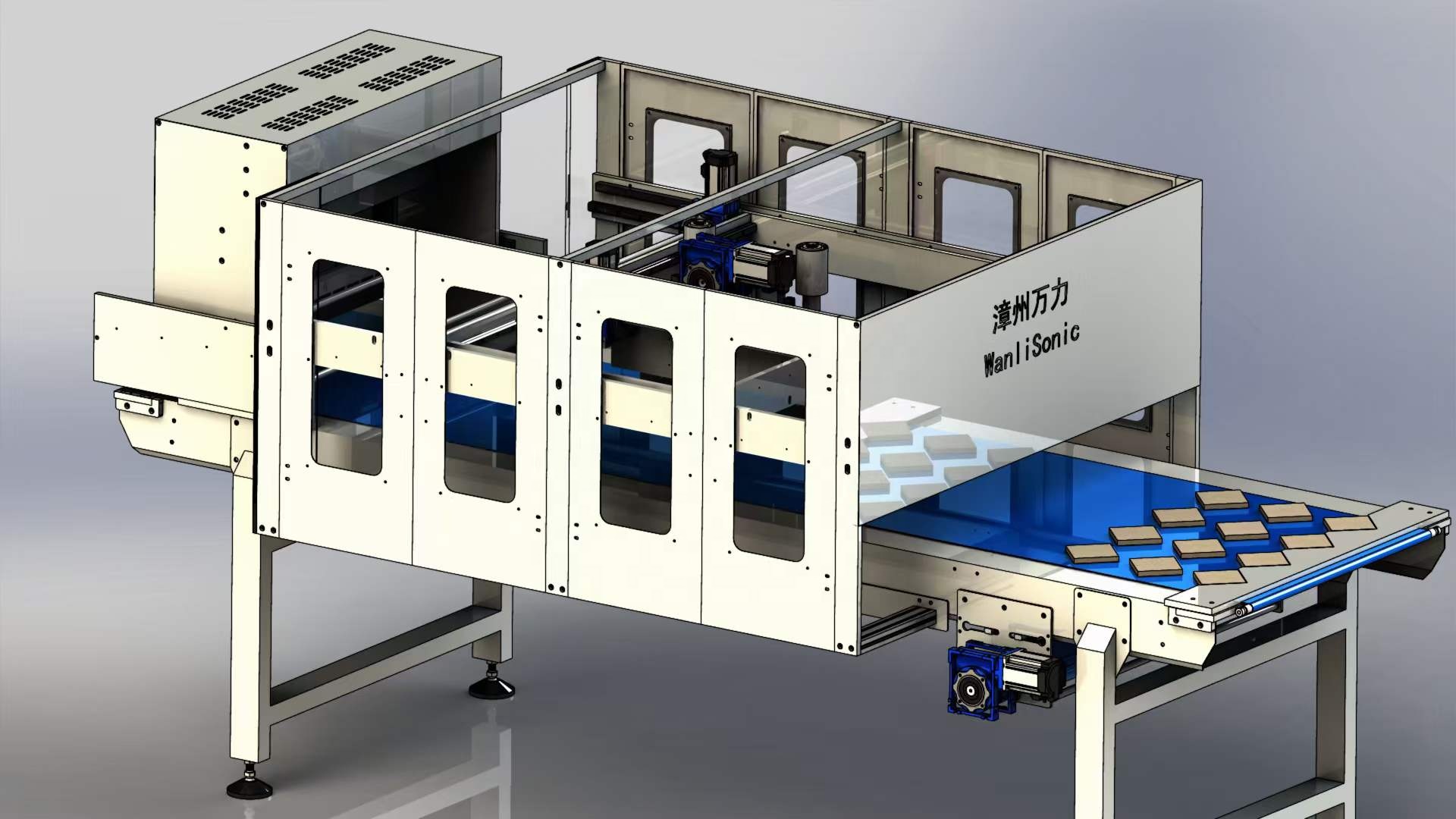
While the YouTube clip visually demonstrates cake entering the machine and coming out with perfectly even slices, it’s worth unpacking what’s happening mechanically:
- Loading: Cakes are placed onto the conveyor or cutting platform, whether in single loaves or trays.
- Program Selection: Operators choose slice thickness, pattern, and speed using an intuitive control panel.
- Ultrasonic Activation: Once activated, the ultrasonic generator powers the blade’s vibration, which slices through the cake with minimal resistance.
- Automated Output: Finished slices are delivered consistently downstream for packaging or display.
This automated workflow eliminates most manual slicing tasks, making the machine ideal for settings with high throughput demands or strict quality standards.
Benefits for Bakeries and Manufacturers
Automated cake cutting machines offer a number of practical advantages:
1. Consistency and Uniformity
Uniform slices contribute to predictable portion sizes and reduce customer complaints. In commercial environments, consistency isn’t just desirable — it’s critical for branding and pricing.
2. Hygiene and Food Safety
Ultrasonic slicing reduces the amount of blade-to-food contact, which minimizes bacterial transfer and keeps surfaces cleaner longer. The less food residue on blades, the faster and easier cleaning becomes — a huge plus for food safety compliance.
3. Speed and Productivity
Fully automated machines run continuously and can typically handle more cycles per hour than manual slicing, helping bakeries scale up production without significantly increasing labor costs.
4. Reduced Waste
Cleaner cuts mean fewer crumbs and malformed slices, which ultimately reduces waste and improves profitability.
5. Versatility Across Cake Types
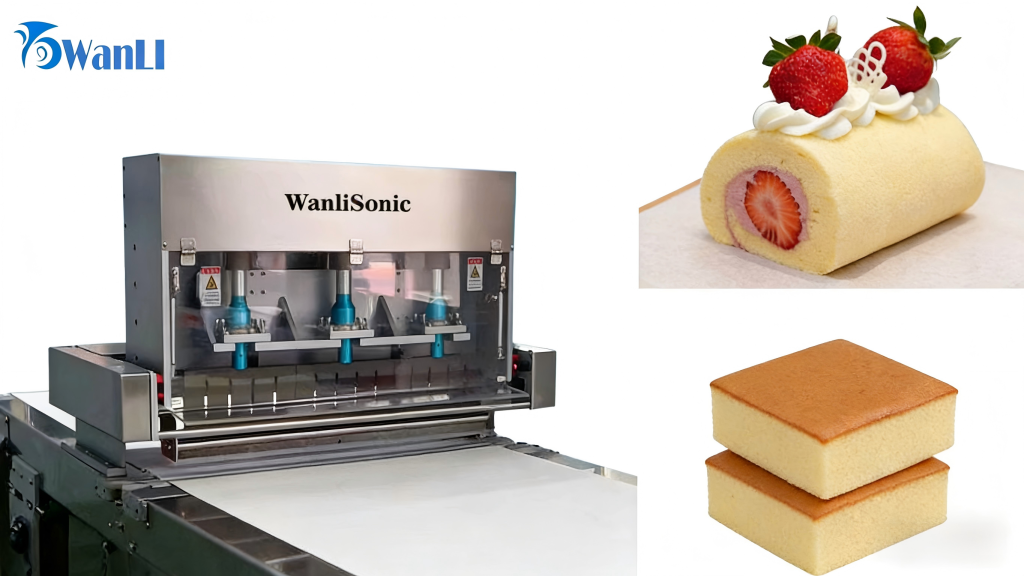
Whether working on soft sponge cakes, sticky cream fillings, cheesecakes, or frozen desserts, these machines adapt to the texture without compromising slice integrity.
Real-World Applications: Beyond Just Slicing
Although slicing cake perfectly is vital, the technology’s benefits extend further. Many bakeries are integrating automated cutters into larger operational systems — where raw cake processing, slicing, packaging, and quality checks happen in concert. This is particularly valuable in large-scale production lines where multiple processes need to flow without bottlenecks.
Some manufacturers even offer customization options, allowing the machine to be tailored to specific product shapes and output requirements, further enhancing its utility for specialized operations or boutique products.
FAQ-Cake Cutting Machine
Q1: What is ultrasonic cake cutting technology?
A: It’s a method that uses high-frequency blade vibrations to slice food with minimal friction and clean edges, ideal for delicate or sticky baked goods.
Q2: Is the cake cutting machine suitable for all cake types?
A: Yes — ultrasonic slicing works well on soft sponges, layered cakes with creams, and even partially frozen products without damaging texture.
Q3: Does this machine improve hygiene in food processing?
A: Yes — because ultrasonic blades reduce food residue on surfaces, they help maintain cleaner equipment and reduce contamination risks.
Q4: How does automation affect productivity?
A: Automated slicing increases production speed, consistency, and efficiency compared with manual methods, making it ideal for commercial bakeries.
Q5: Does it require special operator training?
A: Basic machine operation is intuitive, but training ensures optimal settings for different cake types and maintenance procedures.
Contact Information:
Lucy Zheng (Senior Customer Consultant)
📧 Email: sales4@wanlisonic.com
📞 Tel / WhatsApp / WeChat: +86 15715037520