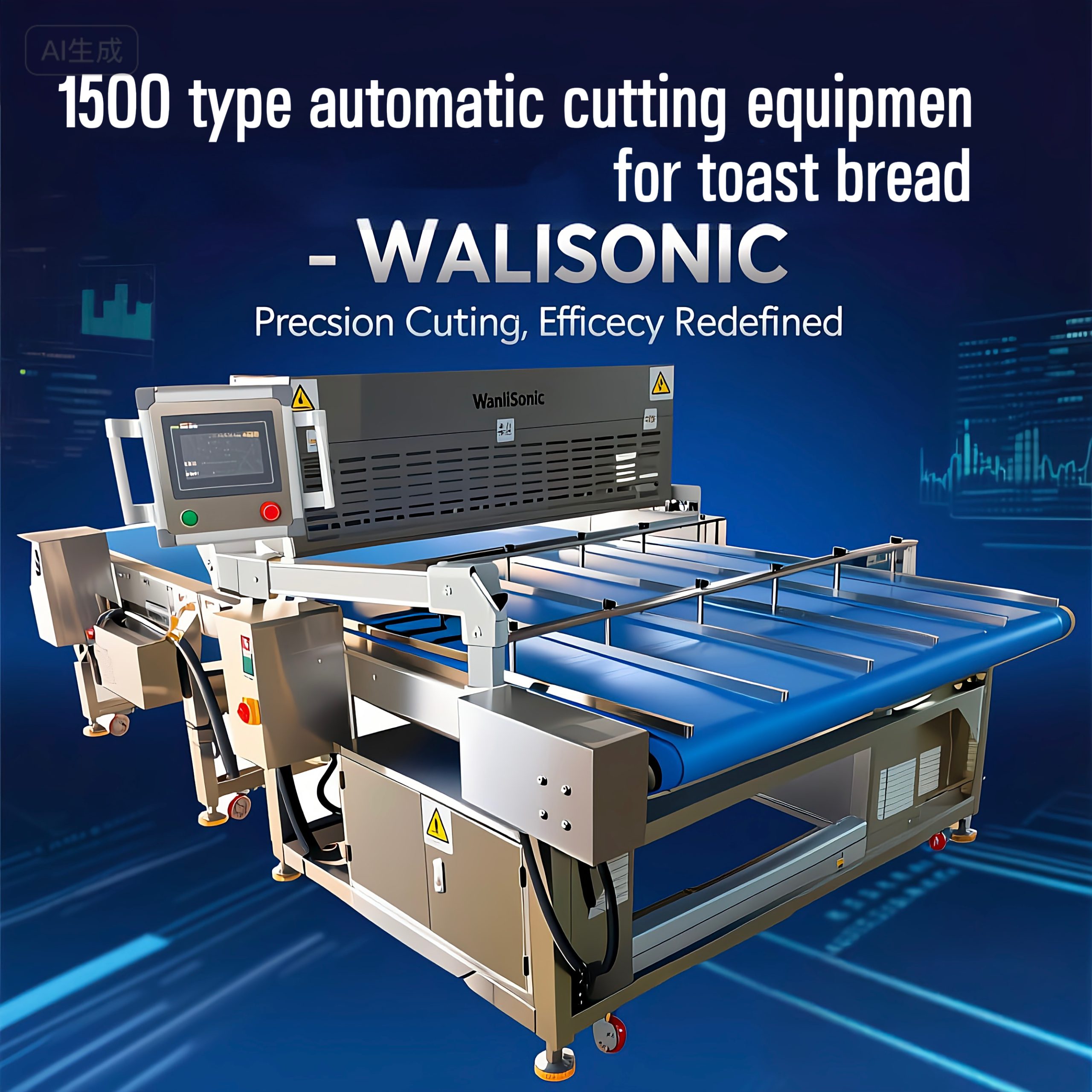
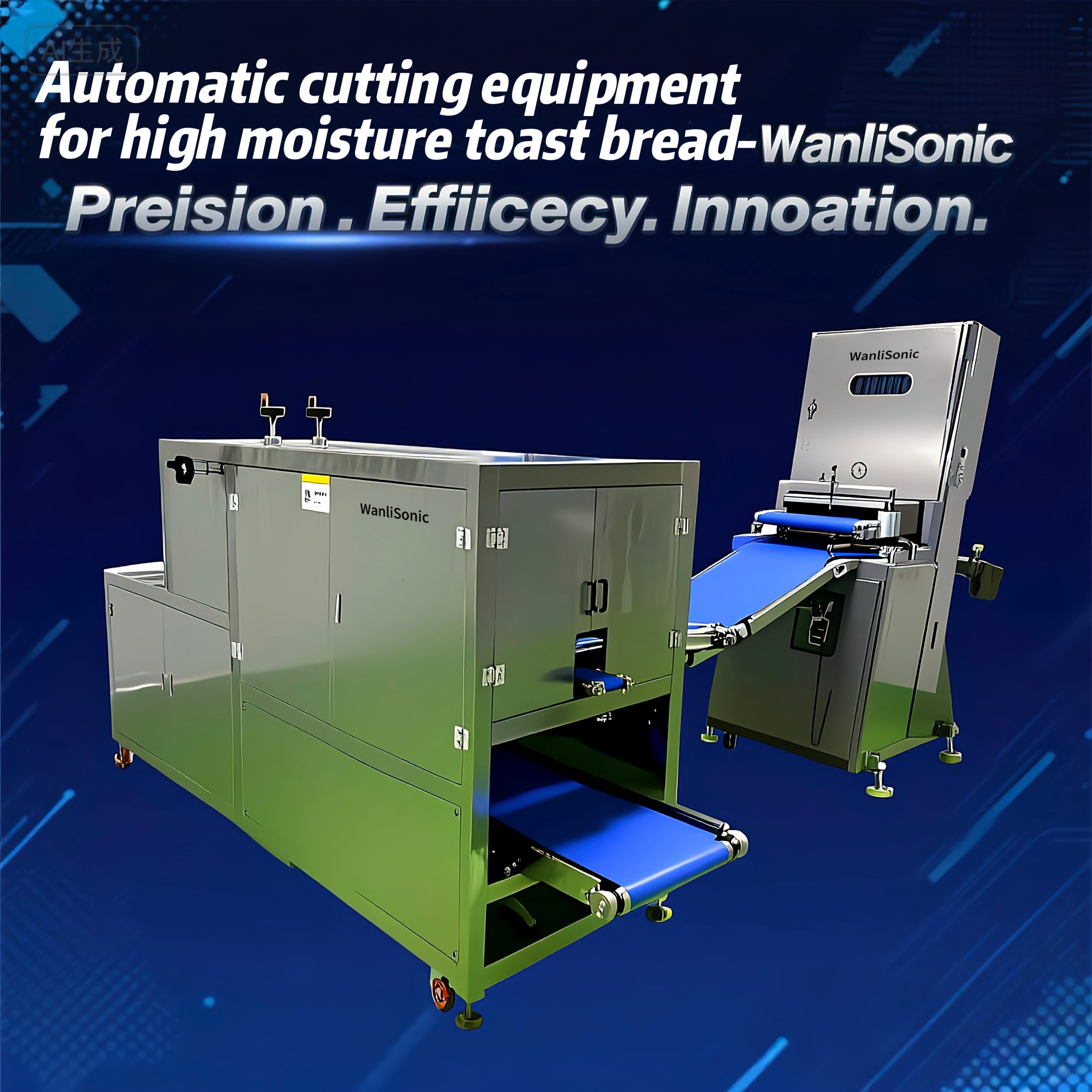
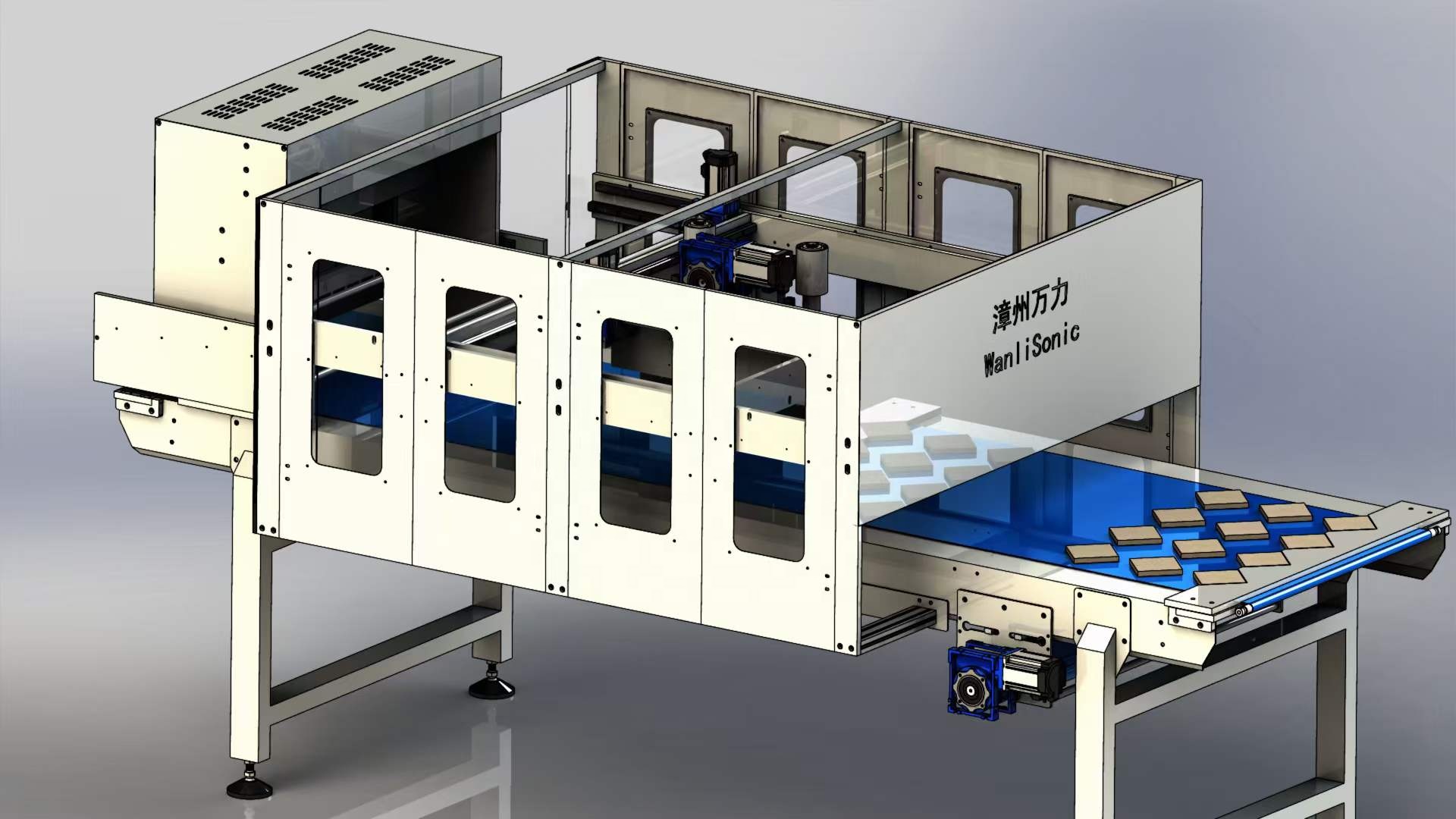
In the rapidly evolving world of food processing technology, precision and efficiency have become paramount, especially within the bakery and frozen dessert sectors. A recent YouTube showcase — featuring advanced cutting techniques for frozen cakes — has reignited global interest in ultrasonic food processing, particularly Ultrasonic Frozen Cake Cutting Machines. These machines are redefining how manufacturers approach delicate and temperature-sensitive desserts, combining cutting-edge automation with unmatched precision.
Ultrasonic cutting technology, once a niche tool in laboratory and industrial applications, has now made its way into mainstream food manufacturing. At its core, this technology utilizes high-frequency ultrasonic vibrations — above the hearing range of human ears — to slice through products like cakes, pastries, and frozen desserts with surgical precision. Unlike traditional blades or mechanical slicers, ultrasonic systems minimize friction, reduce product deformation, and eliminate cling-on residue that often plagues conventional methods.
In the context of frozen cake production, precision cutting is especially critical. Frozen cakes — such as ice cream layer cakes, mousse-filled desserts, or chilled cheesecakes — present unique challenges due to their structure. Traditional slicing tools can cause crushing, adhesion of sticky fillings to blades, or crumbling edges, all of which degrade the aesthetic and structural quality of the product. Ultrasonic cutting solves these issues by vibrating the cutting blade at high frequency, enabling it to glide through the cake with minimal force and heat generation, preserving texture and form.
Why Ultrasonic Cutting is a Game Changer
The efficiency of ultrasonic cutting lies in its fundamental operating principle. An ultrasonic generator sends electrical energy into an ultrasonic transducer, which converts it into mechanical vibrations. These vibrations travel through an amplitude transformer and into the cutting blade. Once activated, the blade vibrates at tens of thousands of cycles per second — effectively reducing resistance and allowing for clean, sealed cuts without crushing or smearing the product.
According to food processing experts, this method offers several tangible advantages:
-
Clean, Smooth Cuts Without Residue: Ultrasonic vibrations prevent product particles from sticking to the blade, reducing mess and waste.
-
Preservation of Product Integrity: Especially important with multi-layered cakes or desserts with fragile fillings.
-
Hygienic and Sanitary Processing: Reduced contact forces and a non-stick blade surface contribute to better food safety practices.
-
High Efficiency for Industrial Lines: Rapid cutting speeds help meet the demands of high-volume production.
-
Reduced Labor and Maintenance Costs: Less manual intervention and longer blade life compared with traditional knives.
These benefits make ultrasonic cutting a compelling solution for bakeries, confectioneries, and large-scale dessert manufacturers, particularly those who handle frozen dessert lines.
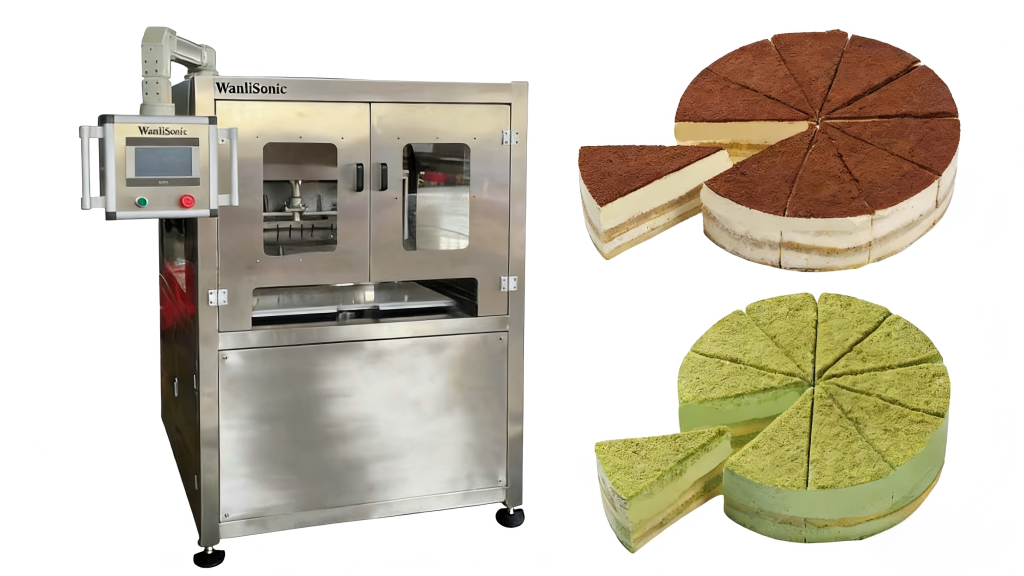
Wanlisonic: A Leader in Ultrasonic Cake Cutting Innovation
A key player making waves in this domain is Wanlisonic — a brand synonymous with high-performance ultrasonic food processing equipment. Wanlisonic’s ultrasonic cake cutting systems are engineered to meet the precise needs of frozen dessert producers, combining robust mechanical design with intuitive automation.
Wanlisonic’s solutions stand out for several reasons:
-
Versatile Cutting Capabilities: Whether it’s baked, chilled, or frozen cakes, Wanlisonic machines handle various textures without compromising product structure.
-
Customizable Output: Operators can adjust slice thickness, cutting patterns, and production speed to suit specific product lines.
-
Integrated Automation: Many models are designed for in-line integration with existing production systems — ideal for high-capacity facilities.
-
Food-Grade Build and Safety Compliance: Stainless steel construction and hygienic design make them suitable for stringent food safety environments.
This level of sophistication translates into higher throughput, consistent quality, and reduced waste, making Wanlisonic a preferred choice among modern food manufacturers worldwide.
One of the most impressive applications of this technology is in ultrasonic frozen cake cutting — where the combination of low temperatures and intricate cake structures can challenge even seasoned operators. With ultrasonic systems, frozen layers are cut cleanly without cracking or melting, ensuring each slice maintained pristine quality.
Case Illustration: Ultrasonic Frozen Cake Cutting in Production
Imagine a modern dessert factory producing thousands of individual frozen cake portions per day. With traditional cutting solutions, issues such as inconsistent slice thickness, crumb scatter, or frosting smearing can compromise both product quality and customer satisfaction. However, with ultrasonic cutting machines, these pitfalls are all but eliminated.
In practice, frozen cakes travel via conveyor to the ultrasonic cutting unit, where blades vibrating at high frequency slice them according to pre-set patterns. With minimal mechanical force, each slice preserves the cake’s layers, cream fillings don’t stick to machinery components, and the entire process operates quietly — a boon for busy production floors.
From luxury patisserie items to standard mass-market products, ultrasonic cutting is proving invaluable across the frozen dessert industry.
FAQ
Q1: What is an Ultrasonic Frozen Cake Cutting Machine?
An ultrasonic frozen cake cutting machine uses high-frequency vibrations to precisely slice frozen cakes and desserts without crushing or deforming them. Instead of sharp knife edges, ultrasonic blades reduce friction, giving clean, consistent cuts.
Q2: How does ultrasonic cutting differ from traditional cutting methods?
Traditional mechanical blades rely on pressure and sharp edges to cut — often leading to sticking, smearing, and deformation. Ultrasonic cutting uses vibrational energy that reduces friction and passes through materials with minimal force, keeping product structure intact.
Q3: Can this machine handle both fresh and frozen cakes?
Yes. Ultrasonic cutting machines are versatile and can slice both chilled/frozen desserts and freshly baked goods with equal precision.
Q4: Does ultrasonic cutting improve food hygiene?
Yes. The technology reduces residue buildup on blades and minimizes manual handling, helping food producers maintain higher sanitation standards.
Q5: Why choose Wanlisonic ultrasonic cutting solutions?
Wanlisonic offers robust, customizable machines with high cutting speed, excellent durability, and global compliance with food safety standards, making them ideal for commercial dessert production.
Contact Information: Annie (Senior Customer Consultant)
📧 Email: sales3@wanlisonic.com
📞 Tel / WhatsApp / WeChat: 008615880521772