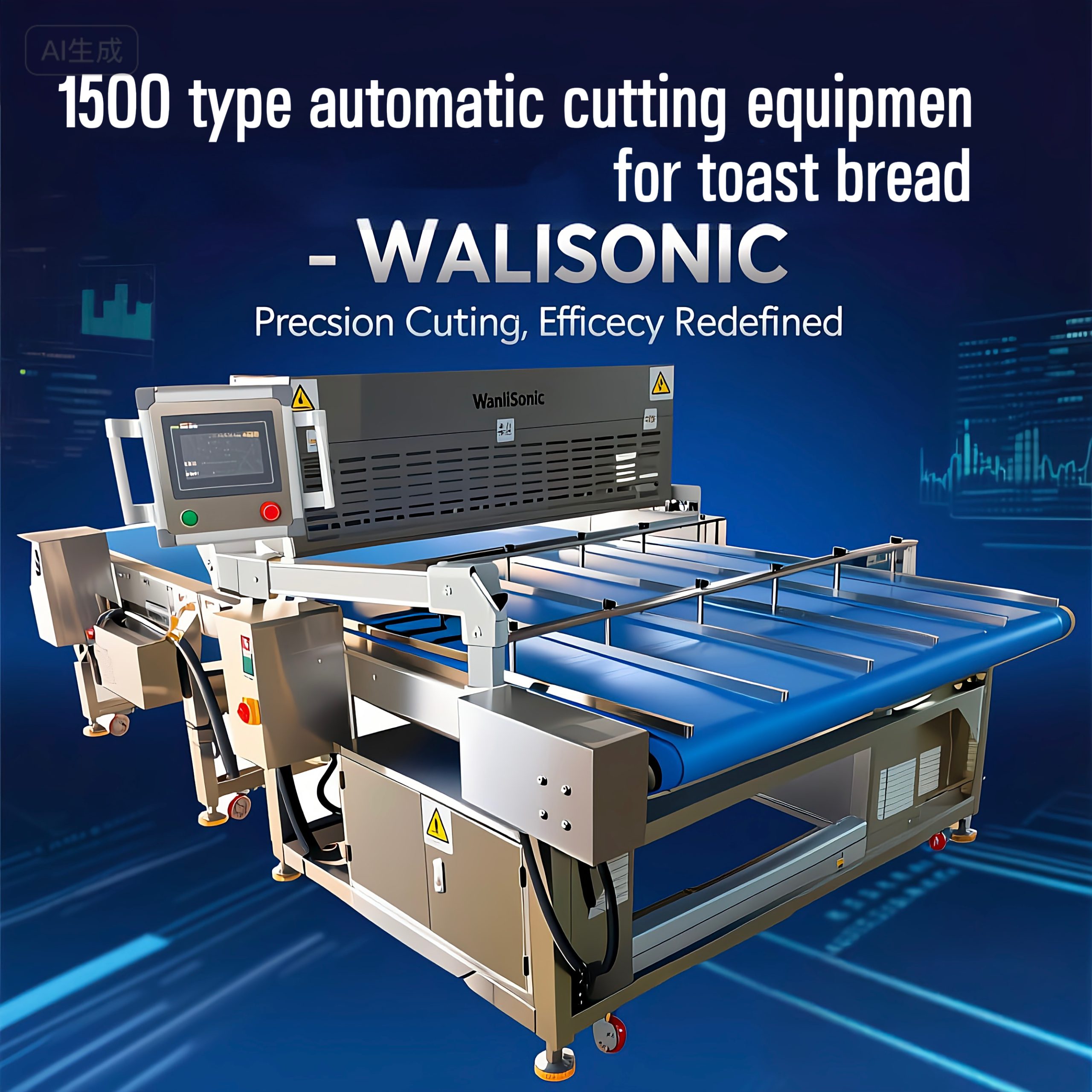
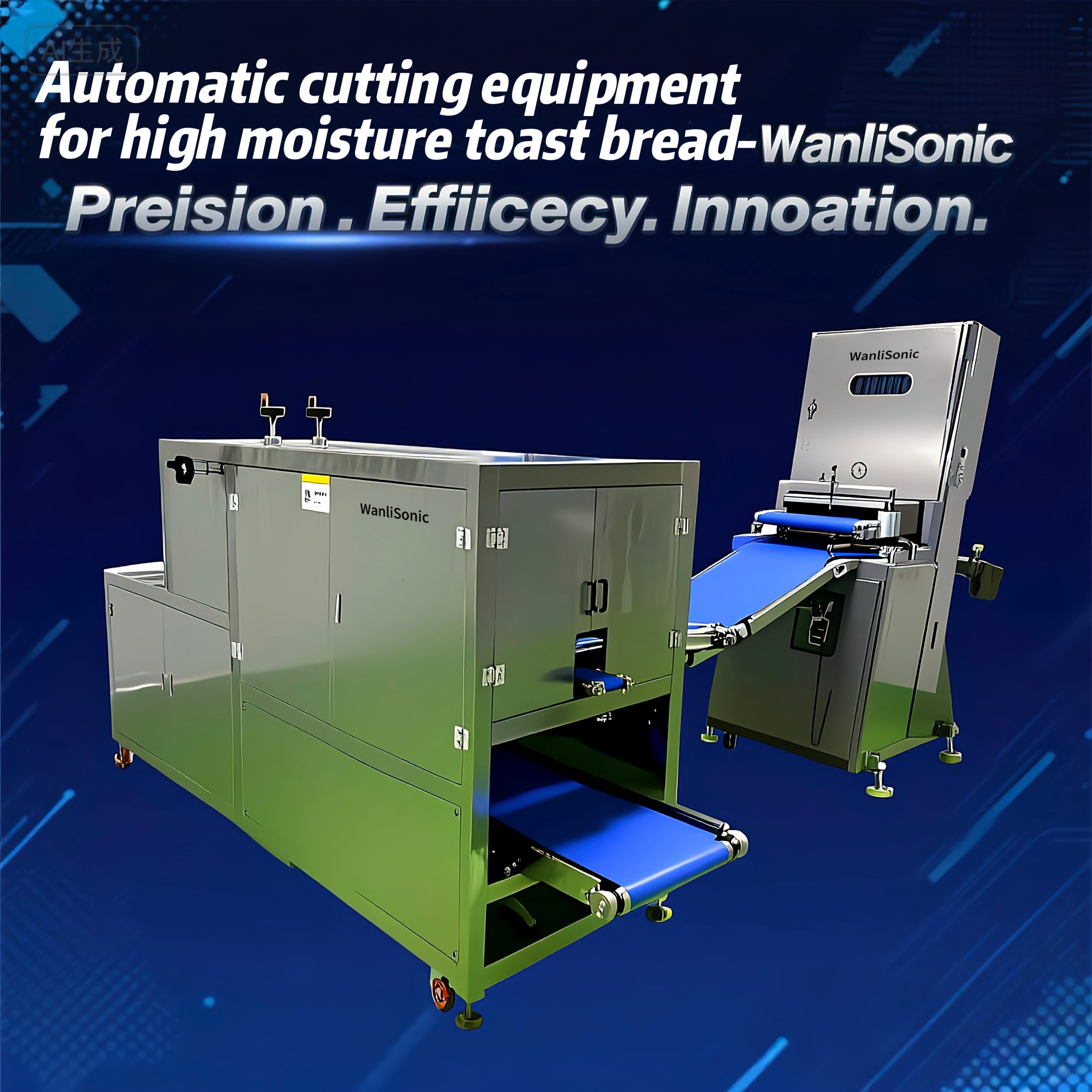
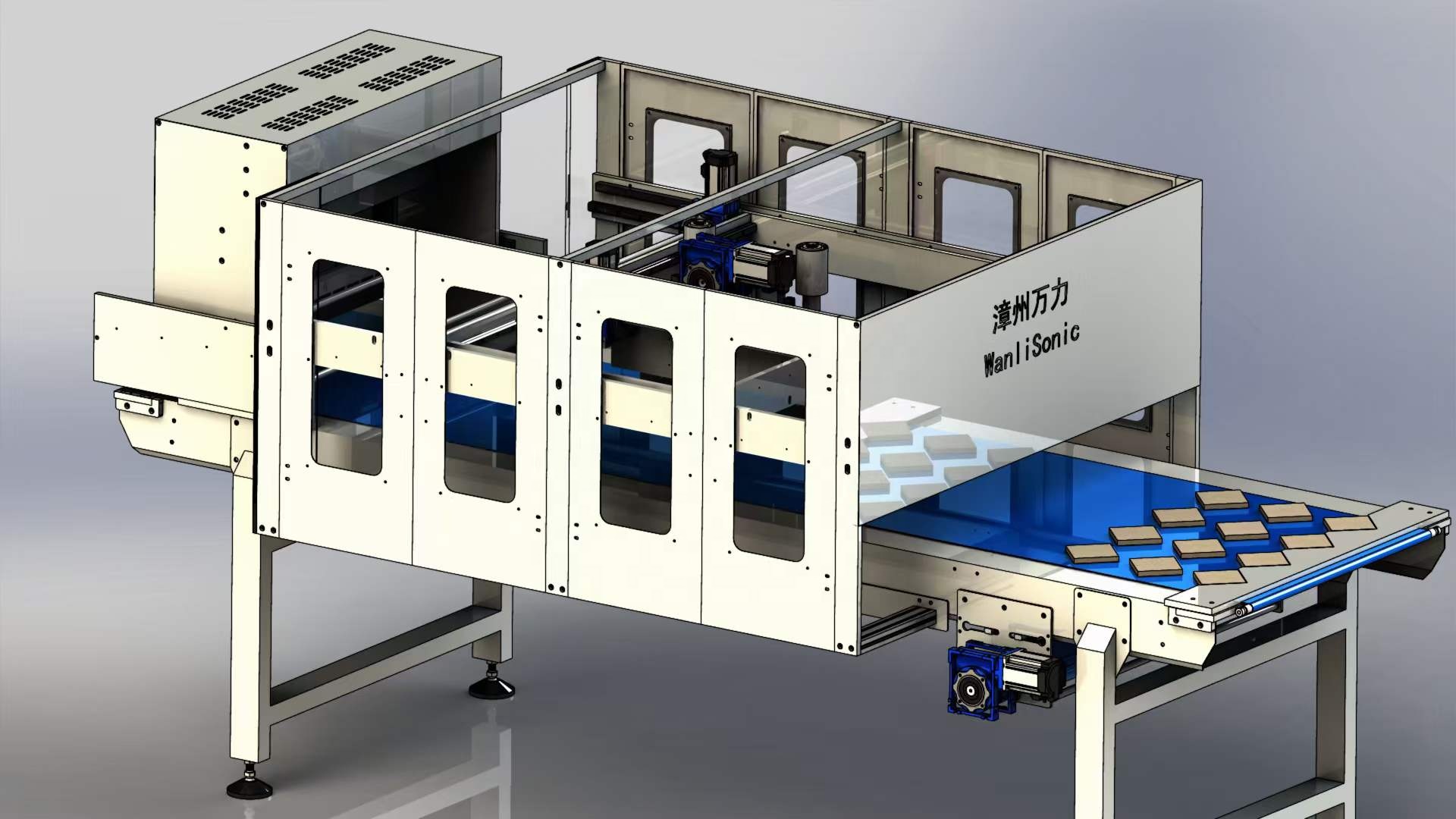
Iinzuzo eziphambili zomshini wokusika we-ultrasonic: kutheni kukhetho olukhethiweyo kwintsimi yokusika?
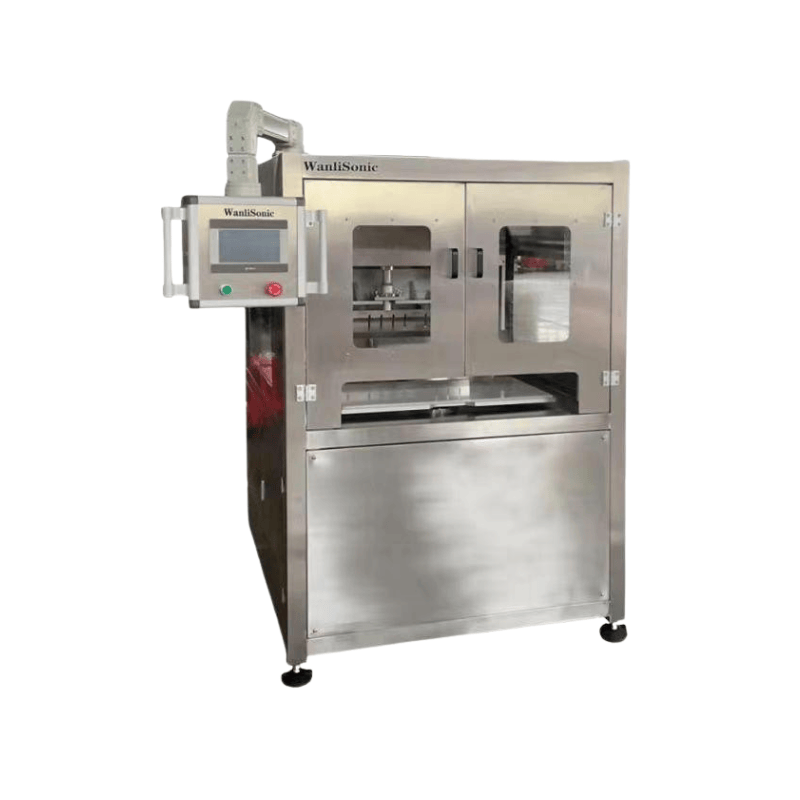
Umatshini wokusika we-ultrasonic, njengesixhobo esisebenzayo kunye nesichanekileyo sokusika, iindawo zayo zokuthengisa eziphambili zijikeleza ukusika umgangatho, uluhlu lwesicelo, amava okusebenza, ukusebenza kakuhle, kunye nolawulo lweendleko. Nazi iinkcukacha:
1. Ukuchaneka kokusika okuphezulu kakhulu kunye nesiphumo esihle kakhulu somphetho
- Akukho burrs okanye deformation: Ultrasonic cutting uses high-frequency vibration (usually 15-70kHz) to create tiny gaps between the cutting blade and the material, reducing direct friction between the material and the blade. Oku kuthintela imiba eqhelekileyo ekusikeni ngokwesiko njenge-burrs, curling, kunye ne-deformation.
- Iinqumlo ezigudileyo nezisicaba: Ilungele ngakumbi izinto ezithambileyo okanye ezincangathi njengeplastiki, irabha, iifilimu, kunye namalaphu. Emva kokusika, akukho nkqubo yesibini ifunekayo, ukuhlangabezana ngokuthe ngqo nendibano ephezulu okanye iimfuno zokubonakala.
2. Uluhlu olubanzi kakhulu lwezixhobo ezisebenzayo kunye nokuhambelana okuqinileyo
Ultrasonic cutting machines break through the limitations of traditional cutting on material hardness and viscosity, and can efficiently handle various special materials Many materials (such as soft, brittle, sticky, and heat-sensitive materials) are extremely sensitive to mechanical force and temperature. Traditional cutting (such as blade extrusion and laser high temperature) is prone to damage, deformation, or performance changes, but ultrasonic cutting can perfectly avoid this problem:
- Izinto ezithambileyo/elastic: Njengejeli ye-silica, izipontshi, amagwebu, isikhumba, kunye namalaphu, ukuphepha ukuguqulwa kwezinto ezibangelwa yi-extrusion.
- Sticky/materials prone to sticking to blades: Njengetshokholethi, iilekese, iiteyiphu, nezinto zokuncamathelisa ezinyibilikayo ezishushu. Ukungcangcazela kwe-high-frequency vibration kunciphisa ukubambelela phakathi kwezixhobo kunye neeblades, ukuqinisekisa ukusika kakuhle.
- Brittle/fragile materials: Ezinje ngeentsinga zeglasi, iishiti zeeramic, kunye nezinto ze-elektroniki. Ukunciphisa uxinzelelo oluphantsi kunciphisa umngcipheko wokuhlukana kwezinto.
- Composite/multi-layer materials: Such as multi-layer fabrics and composite material plates, which can be cut synchronously in multiple layers at one time with high alignment of the cuts.
3. Akukho monakalo we-thermal ngexesha lokusika, ukukhusela izinto eziphathekayo
- Ukusika ubushushu obuphantsi: Ngokungafaniyo nokusika kwe-laser okanye ukusika imela eshushu, ukusika kwe-ultrasonic ikakhulu kuxhomekeke kumandla omatshini wokungcangcazela, ukuvelisa ubushushu obuncinci. Ayizi kubangela ukuba izinto zitshise, zinyibilike, okanye zijike ngenxa yobushushu obuphezulu.
- Protection of sensitive materials: It is especially suitable for temperature-sensitive materials such as electronic components (e.g., PCB boards, wires), food (e.g., cakes, cheese), and medical supplies (e.g., gauze, films), ensuring product performance and quality are not affected.
4. Ukusebenza ngokufanelekileyo, ukunciphisa iindleko zemveliso
- Isantya sokusika ngokukhawuleza: Ukungcangcazela kwe-high-frequency kwenza ukusika kusebenze ngakumbi. Compared with manual cutting or traditional mechanical cutting, it can significantly improve production efficiency, suitable for mass production scenarios.
- Ukunxiba kweblade encinci: Reduced friction between the blade and the material extends the service life of the blade, lowering the frequency and cost of consumable replacement.
- Strong adaptability to automation: It can be easily integrated into automated production lines, combined with robotic arms, conveyors, etc., to achieve unmanned operation, reducing labor costs and human errors.
5. Low cutting pressure, reducing material loss
- Ukusika uxinzelelo oluphantsi: Only a small amount of pressure is needed to complete the cutting, which is especially suitable for thin materials (e.g., films, sheets) or fragile materials (e.g., foams, paper products), avoiding material stretching, damage, or waste caused by excessive pressure.
- Ukugcina imathiriyeli ekrwada: Ukusika okuphezulu kunye neempawu ezilahlekileyo ezisezantsi kunokuphucula ukusetyenziswa kwezinto kunye nokunciphisa izinga le-scrap kwimveliso.
6. Ikhuselekile kokusingqongileyo, iphucula umgangatho wemveliso
- No dust or smoke pollution: No high-temperature combustion occurs during cutting, so no dust, smoke, or harmful gases are generated, meeting environmental protection requirements and protecting the health of operators.
- Ingxolo elawulekayo: Compared with the high noise of traditional mechanical cutting, ultrasonic cutting machines operate with lower noise (usually controlled below 80 decibels through sound insulation design), improving the production workshop environment.
Isishwankathelo, iingenelo eziphambili zoomatshini bokusika be-ultrasonic zilele ukuchaneka okuphezulu, ukuhambelana okubanzi, akukho monakalo we-thermal, kunye nokusebenza okuphezulu, making them irreplaceable in industries with strict requirements for cutting quality and material property protection (such as electronics, food, packaging, medical care, and automobile manufacturing).