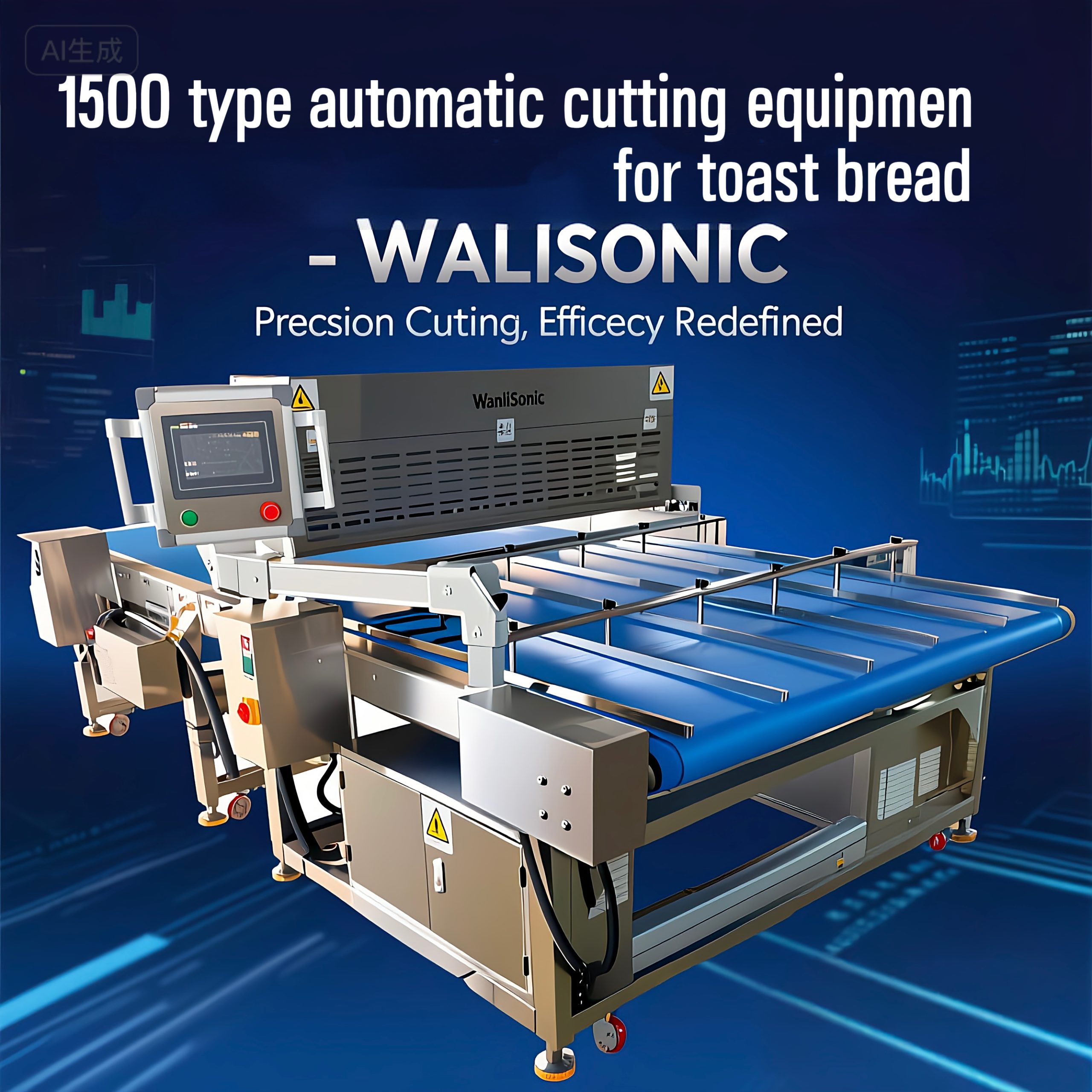
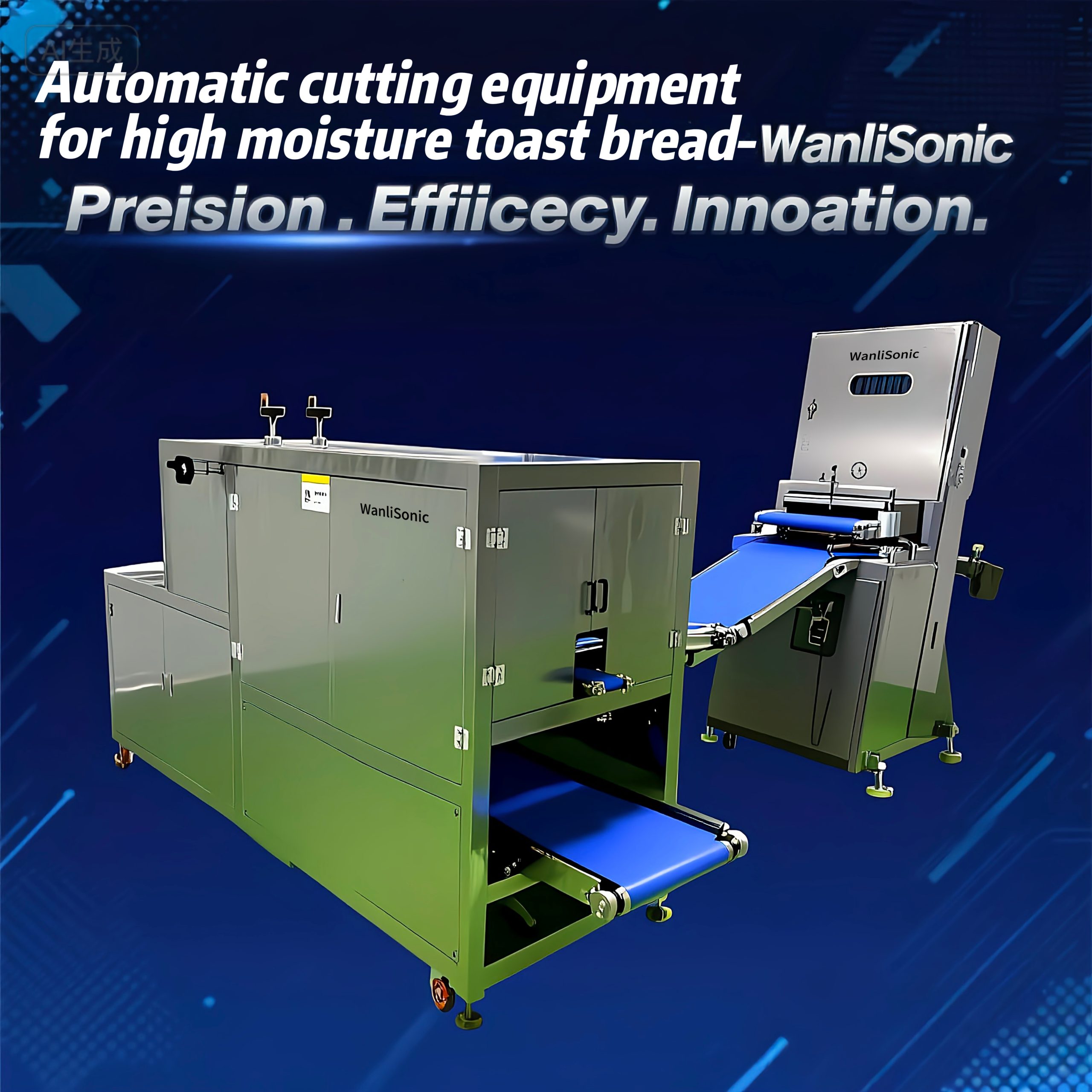
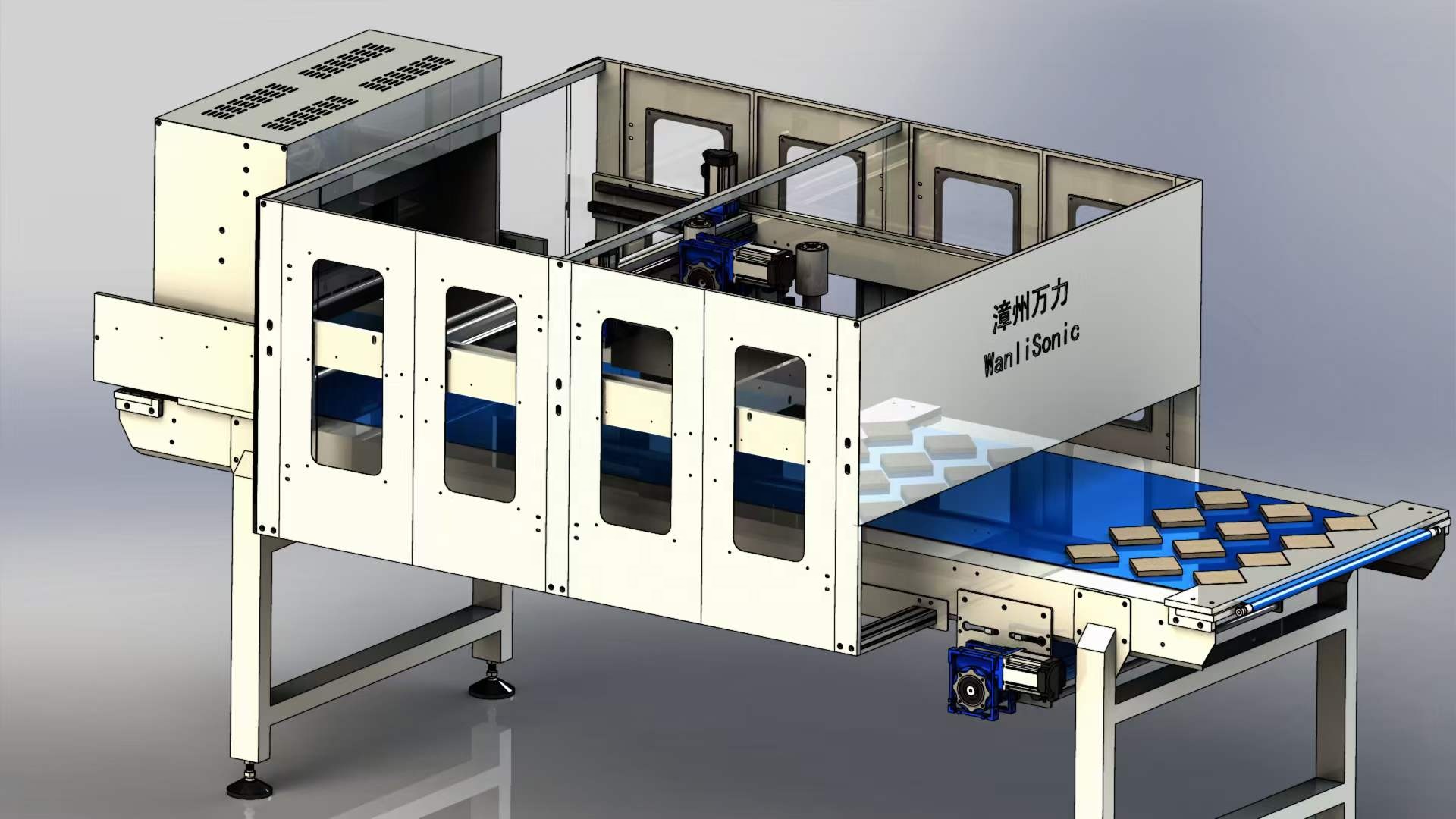
Protein bars are designed to combine nutrition, portability and shelf appeal, but their mixed structure makes them difficult to portion cleanly. A single recipe may contain dense protein paste, sticky syrup, dried fruit, crisp cereal, seeds, nuts or an outer coating. When a conventional blade meets these different textures, the bar can deform, ingredients can be pulled from the matrix and residue can accumulate on the cutting surface. The Wanlisonic Ultrasonic Protein Bar Cutting Machine gives snack manufacturers a controlled way to create cleaner, more consistent portions while reducing common cutting interruptions.
A Wanlisonic ultrasonic protein bar cutting demonstration is available on YouTube. The 17-second video shows the target application. It does not identify a machine model, cutting speed, dimensional tolerance or production capacity, so those values are intentionally not stated here.
Why Are Protein Bars Difficult to Cut Consistently?
Unlike a uniform baked product, a protein bar is a composite food. Its binder may be soft and adhesive, while inclusions such as nuts and seeds are much harder. Product behaviour also changes with recipe, moisture, temperature and cooling time.
Traditional cutting can therefore create several problems:
- Sticky protein or syrup residue adheres to the blade.
- Downward pressure compresses soft bars and changes their shape.
- Hard inclusions are pushed out instead of being separated cleanly.
- Brittle ingredients break and create loose crumbs.
- Chocolate or yogurt-style coatings crack or smear.
- Irregular portions interfere with weighing and wrapping.
These defects affect more than appearance. Protein powders, nuts, fruit and specialty binders can be valuable ingredients. Every damaged edge, rejected bar or excessive fragment represents product value that has already passed through mixing, forming and cooling.
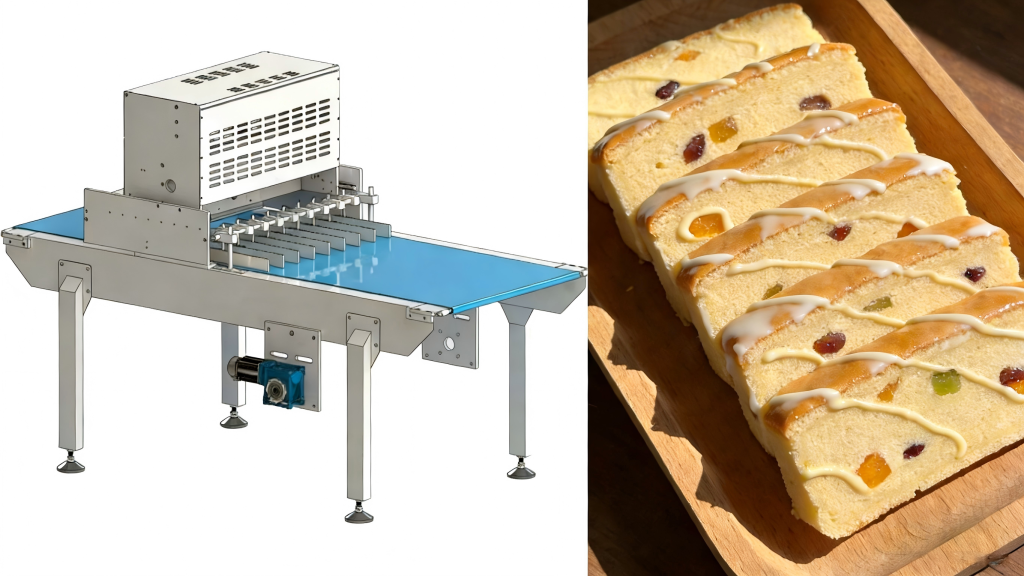
How Does Ultrasonic Cutting Improve Bar Separation?
Ultrasonic cutting applies high-frequency mechanical vibration to the blade. The vibration reduces friction between the cutting surface and the food, allowing the tool to pass through sticky or elastic material with less mechanical force than a stationary knife.
For protein bar production, this principle supports:
- Cleaner cut faces across mixed-density ingredients
- Less adhesion of protein paste and syrup to the blade
- Reduced compression of soft or aerated bar structures
- Lower risk of pulling nuts, fruit pieces or seeds from the matrix
- Better preservation of layers and surface coatings
- More repeatable dimensions from one portion to the next
The technology does not make every formula behave identically. Instead, it gives manufacturers a flexible cutting platform that can be adjusted around the actual product.
Protecting Ingredients and Product Presentation
Consumers often judge a protein bar by what they can see. A clean cross-section can reveal nuts, fruit, cereal and layered fillings, while a rough or compressed edge can make the same product look poorly processed.
The Wanlisonic Ultrasonic Protein Bar Cutting Machine is intended to separate the bar with reduced resistance. This helps retain straight edges and keeps visible ingredients in place. For coated or layered products, reduced dragging can also limit smearing between contrasting components.
Better presentation is particularly important for bars packed individually in transparent or partially transparent wrappers. Consistent geometry supports an orderly retail appearance and helps the brand deliver the same visual standard across multiple batches.
Portion Consistency Supports Weight and Packaging Control
The cutting station connects forming with packaging. If bar length or shape changes, portion weight may also vary, and unstable geometry can create problems when products enter a flow wrapper or tray.
A programmable cutting process allows manufacturers to define the required portion format around the formed slab or bar. A typical automated sequence can include:
- Feeding the cooled protein bar product into the cutting area
- Positioning it according to the selected portion length
- Separating each portion with the ultrasonic blade
- Transferring the finished bars toward inspection or packaging
Repeatable cutting reduces dependence on operator judgement and makes output easier to coordinate with downstream equipment. The final configuration should be based on the bar dimensions, product temperature, binder characteristics, inclusions and packaging requirements.
Reducing Blade Fouling and Cleaning Interruptions
Sticky binders are a major source of lost production time. As residue collects on a conventional blade, friction increases and the quality of later cuts declines. Operators may have to pause the line repeatedly to scrape or clean the tool.
Ultrasonic vibration helps reduce product adhesion to the blade. Less residue can support more stable cutting performance and fewer avoidable interruptions. It can also reduce the risk of accumulated material transferring to later portions.
Routine sanitation remains essential. Cleaning frequency and procedures must follow the recipe, production environment and food-safety plan. Ultrasonic technology supports hygiene by addressing sticking at the cutting point; it does not replace validated cleaning controls.
One Cutting Platform for Different Snack Bar Formulations
Protein bar portfolios rarely stay limited to one recipe. Manufacturers may produce soft high-protein bars, cereal-based bars, fruit bars, nut bars or layered products on the same site. Each formulation presents a different balance of stickiness, hardness and brittleness.
Wanlisonic’s published cereal-bar application information identifies ultrasonic cutting as suitable for products including:
- High-protein and nougat-style bars
- Granola and oat bars
- Nut and seed products
- Fruit and date bars
- Puffed cereal snacks
- Layered or coated energy bars
This versatility can improve equipment utilization, but each product should be tested. Blade selection, product support, cutting program and conveyor arrangement may need to change when the formulation or dimensions change.
Improving Yield and Return on Investment
The value of a protein bar cutter should not be judged only by nominal speed. A stronger investment analysis considers saleable yield, portion consistency, labour demand, sanitation downtime and packaging stability.
Cleaner ultrasonic cutting can help manufacturers:
- Reduce rejects caused by crushed or misshapen bars
- Keep high-value inclusions inside the product
- Limit material lost through blade sticking
- Improve consistency before flow wrapping
- Reduce repetitive manual cutting and correction
- Maintain a more stable production rhythm
When the cutting stage produces predictable portions, downstream inspection and packaging can operate with fewer disruptions. This creates value across the line rather than at one machine alone.
Customized Protein Bar Cutting with Wanlisonic
There is no universal setting for every protein bar. Before recommending a solution, Wanlisonic can evaluate the product dimensions, binder type, ingredient inclusions, coating, cutting temperature, target portion size, required output and line-integration needs. Sending samples or a clear production video can help the technical team assess cutting behaviour.
For snack manufacturers dealing with sticking, deformation, ingredient displacement or inconsistent portions, the Wanlisonic Ultrasonic Protein Bar Cutting Machine offers a practical route toward cleaner cuts and more reliable automation. Its main business value is the ability to protect product quality while supporting a controlled transition from forming to packaging.
Contact Wanlisonic
- Email: sales3@wanlisonic.com
- Tel / WhatsApp / WeChat: +86 15880521772
Send your protein bar dimensions, formulation characteristics, cutting temperature, desired portion size and production requirements to Wanlisonic for a recommended ultrasonic cutting solution.
FAQ
1. What is an ultrasonic protein bar cutting machine?
It is a food-processing system that uses a high-frequency vibrating blade to portion protein bars with less friction and mechanical pressure than a conventional stationary knife.
2. Why is ultrasonic cutting suitable for sticky protein bars?
The blade vibration reduces friction and product adhesion, helping it pass through protein paste, syrup binders and other sticky ingredients more cleanly.
3. Can it cut bars containing nuts, seeds or dried fruit?
Ultrasonic cutting is suitable for mixed-texture snack bars, but the actual result depends on ingredient size, hardness, distribution and binder strength. Product testing is recommended.
4. Can the machine process coated or layered bars?
Depending on the coating, layer structure and cutting temperature, reduced blade drag can help limit cracking and smearing. Wanlisonic should evaluate the actual product before specifying a solution.
5. Can the cutter connect to a packaging line?
Wanlisonic can develop automated configurations around feeding, positioning, cutting and transfer requirements. Integration details depend on the existing production and packaging equipment.
6. What information is required for a quotation?
Provide the bar dimensions, formulation and inclusions, product temperature, target portion size, required capacity and automation requirements. Samples or production videos can support testing.