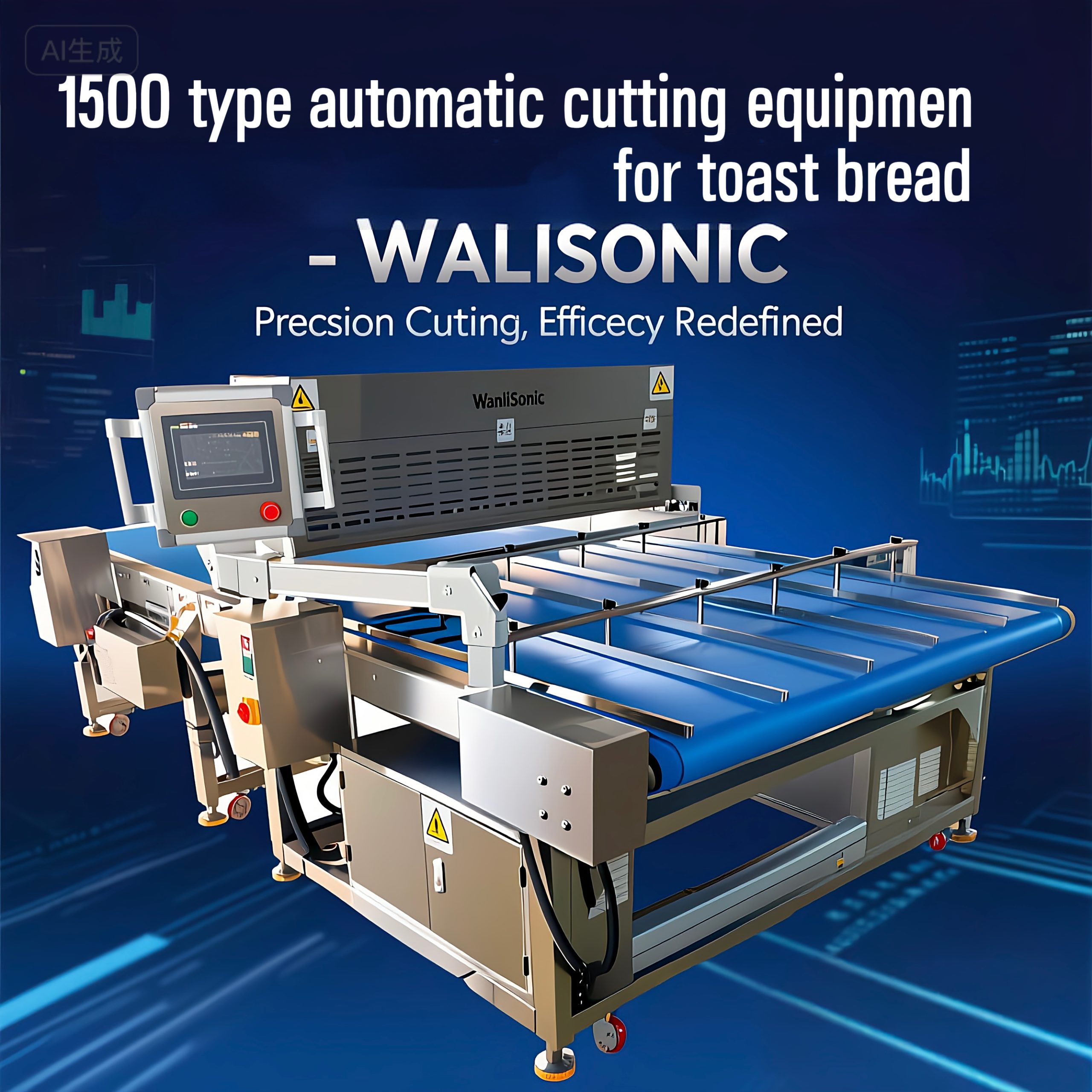
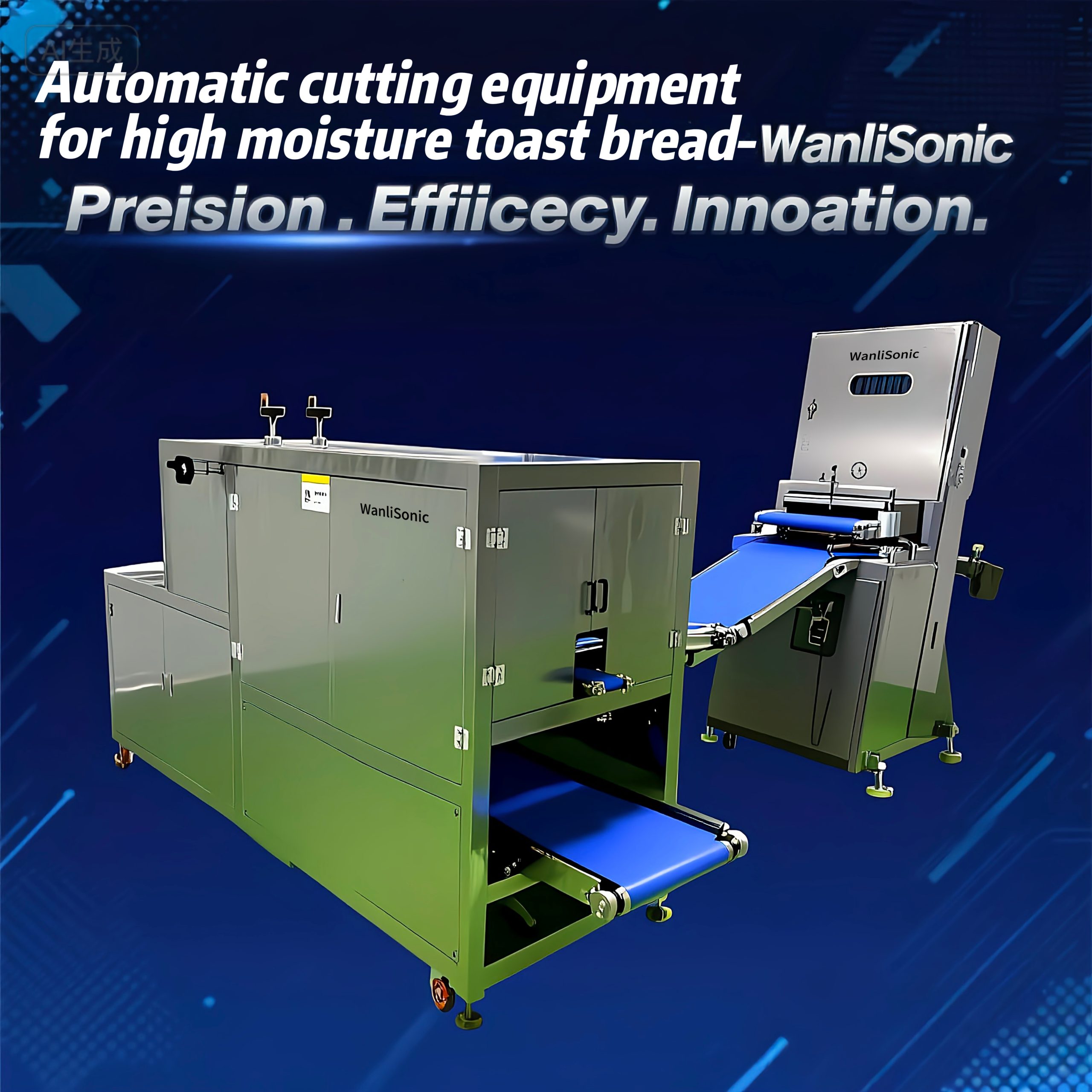
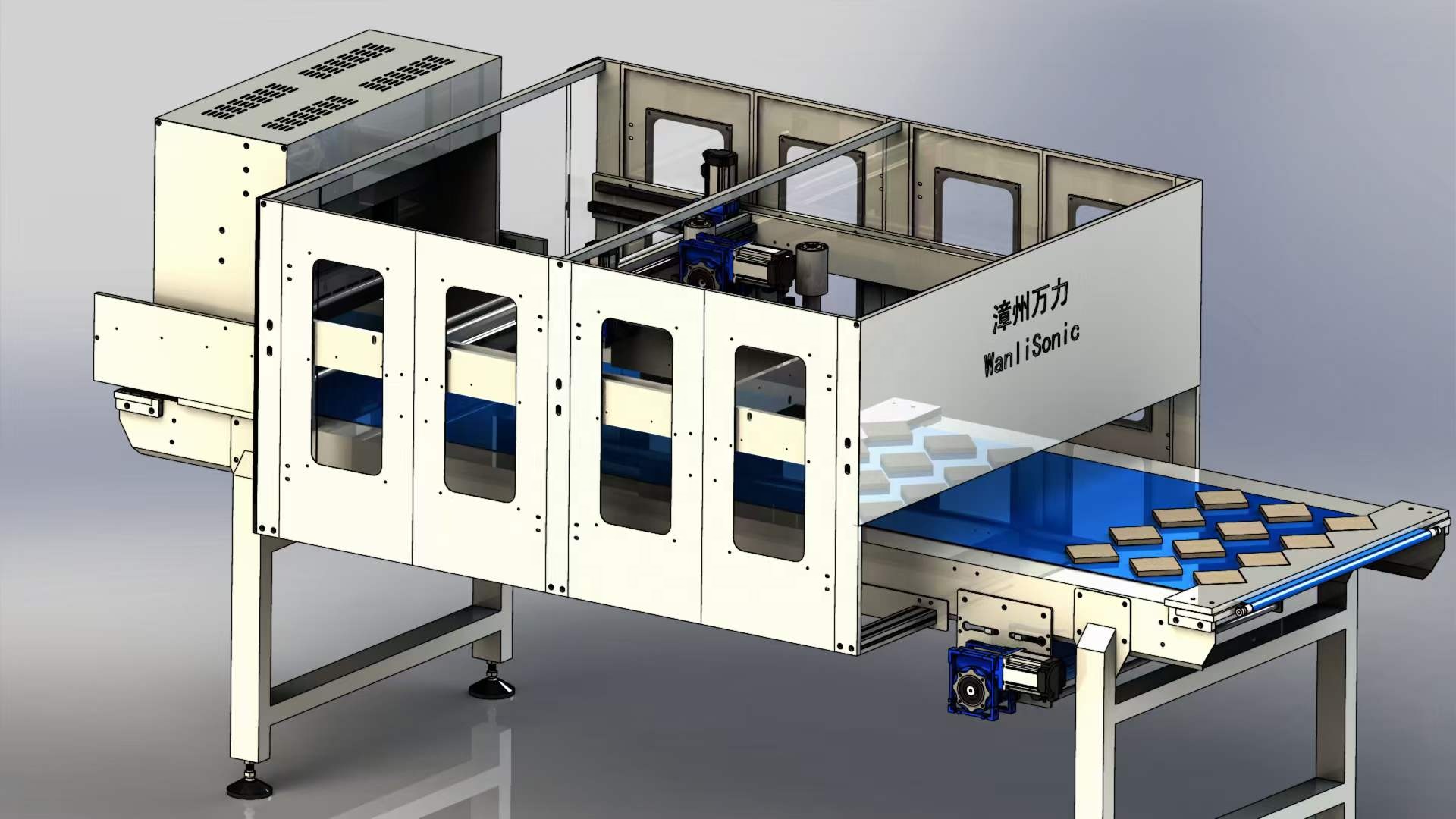
Fruit bars combine natural ingredients with sticky, variable textures. Fruit paste may cling to a conventional blade, while dried fruit, nuts, seeds or cereal can be pulled from the product. The Wanlisonic Ultrasonic Fruit Bar Cutting Machine creates cleaner portions, protects visible ingredients and prepares uniform bars for packaging.
A 52-second Wanlisonic ultrasonic fruit bar cutting demonstration is available on YouTube. The video confirms the fruit-bar application, but it does not identify a machine model, cutting speed, dimensional tolerance or production capacity. These values are therefore not stated in this article.
Why Are Fruit Bars Difficult to Cut Cleanly?
A recipe may combine fruit or date paste with syrup, dried fruit, nuts, seeds, cereal or a coating. The base is often soft and adhesive, while inclusions may be chewy, brittle or firm.
Conventional cutting can therefore cause:
- Fruit paste and syrup accumulating on the blade
- Dried fruit fibres pulling instead of separating cleanly
- Nuts or seeds moving out of the product matrix
- Soft bars compressing and losing their rectangular profile
- Rough edges that reduce retail presentation
- Irregular portions that complicate weighing and wrapping
Damaged bars and excessive trim reduce the saleable output from fruit, nuts and specialty binders that already carry processing value.
How Does Ultrasonic Cutting Reduce Adhesion?
Ultrasonic food cutting applies high-frequency mechanical vibration to the blade. The vibration reduces friction between the cutting surface and the food, allowing the blade to pass through sticky or elastic material with less resistance than a stationary knife.
For fruit-bar production, this principle can support:
- Cleaner separation of sticky fruit-based mixtures
- Less product residue on the blade
- Reduced compression of soft bar structures
- Better retention of fruit, nut and seed inclusions
- Smoother cut faces for retail presentation
- More consistent dimensions for downstream packaging
Ultrasonic technology does not make every recipe behave identically. Moisture, sugar content, binder type, ingredient size and temperature still influence the cutting result. The machine configuration and operating settings should therefore be selected around the actual product.
Protecting the Visual Value of Natural Ingredients
Dried berries, dates, raisins, seeds and nuts communicate a fruit bar’s recipe and positioning. Rough cuts can tear fibres or pull these inclusions from the matrix. By separating the product with reduced drag, the Wanlisonic Ultrasonic Fruit Bar Cutting Machine helps preserve visible ingredients and the intended shape—particularly valuable in transparent packaging. Consistent geometry also creates a more orderly retail display.

Why Product Temperature and Conditioning Matter
Fruit-bar texture can change significantly with temperature. A warm fruit paste may be soft and highly adhesive, while a chilled product may become firmer. Coatings and mixed ingredients may respond differently from the fruit base.
Before cutting, manufacturers should define:
- Product temperature at the blade
- Moisture and stickiness of the fruit mixture
- Type and size of dried fruit inclusions
- Presence of nuts, seeds or cereal pieces
- Bar or slab dimensions
- Required portion size and package format
Stable conditioning gives the cutter a repeatable product and limits variation from mixing, forming or cooling.
Coordinating Cutting with an Automated Line
In commercial snack production, the cutter connects forming or cooling with inspection and packaging. A controlled process can be organized around four stages:
- Feeding: Fruit-bar slabs or preformed lengths enter the cutting area.
- Positioning: The product is aligned according to the selected portion format.
- Ultrasonic cutting: The vibrating blade separates the product with reduced resistance.
- Transfer: Finished portions move toward inspection, tray loading or wrapping.
Automation reduces manual measurement while preserving product spacing and orientation. Feeding and transfer functions depend on the selected configuration, factory layout and existing equipment.
Consistent Portions Support Packaging and Weight Control
A finished bar must fit its wrapper or tray and move downstream without frequent correction. Dimensional variation disturbs spacing, while damaged edges create loose material around packaging machinery.
Repeatable cutting supports:
- More uniform product dimensions
- Stable presentation inside retail packs
- Better alignment before flow wrapping
- Reduced manual correction after cutting
- More predictable portion handling
- Fewer visually damaged bars entering packages
Cut dimensions alone do not guarantee final weight because ingredient distribution and product density may vary. Manufacturers should coordinate cutting with their own weighing and quality-control procedures.
Reducing Cleaning Interruptions Without Compromising Hygiene
Sticky paste can collect on a conventional blade, affect later cuts and force cleaning stops. Ultrasonic vibration reduces adhesion at the cutting point, supporting a cleaner blade surface and steadier cut quality.
Regular sanitation remains essential. Ultrasonic cutting does not replace validated cleaning, inspection or allergen-control procedures. The cleaning plan must reflect the recipe, production environment and food-safety requirements.
Suitable Fruit-Bar Applications for Evaluation
Wanlisonic’s published cereal-bar application information identifies fruit and date bars as suitable products for ultrasonic cutting evaluation. Related formulations may include:
- Date-based snack bars
- Dried-fruit bars
- Fruit-and-nut bars
- Fruit-and-seed bars
- Fruit-and-cereal bars
- Layered or coated fruit snacks
Each formulation should be tested because fibre length, binder behaviour, inclusions and coatings affect separation. Dense date bars may require different settings from softer fruit-and-cereal products.
Turning Better Cutting into Commercial Value
The value of a fruit-bar cutting system should not be judged only by nominal speed. Manufacturers should also evaluate saleable yield, ingredient retention, portion consistency, labour demand, cleaning interruptions and packaging stability.
The Wanlisonic Ultrasonic Fruit Bar Cutting Machine can help manufacturers reduce deformation, limit blade sticking, preserve visible ingredients and create more packaging-ready portions. These improvements support a controlled transition from formed product to finished snack pack.
Before recommending a solution, Wanlisonic should evaluate the recipe, dimensions, product temperature, target portion size, required output and line-integration needs. Samples or a representative production video can help the technical team assess cutting behaviour without relying on assumptions.
Contact Wanlisonic
- Email: sales3@wanlisonic.com
- Tel / WhatsApp / WeChat: +86 15880521772
Send your fruit-bar formulation, dimensions, cutting temperature, desired portion size and production requirements to Wanlisonic for a recommended ultrasonic cutting solution.
FAQ
1. What is an ultrasonic fruit bar cutting machine?
It is food-processing equipment that uses a high-frequency vibrating blade to portion sticky fruit-based bars with reduced friction and mechanical pressure.
2. Why is ultrasonic cutting suitable for fruit paste and date bars?
The blade vibration reduces cutting resistance and product adhesion, helping sticky fruit mixtures separate more cleanly than with a stationary blade.
3. Can it cut fruit bars containing nuts, seeds or cereal?
These mixed-texture products can be evaluated for ultrasonic cutting. Results depend on ingredient hardness, size, distribution and the strength of the fruit binder.
4. Does the machine work with coated or layered fruit bars?
It may be suitable, but coating behaviour and layer integrity depend on the recipe and cutting temperature. Product samples should be tested before the configuration is finalized.
5. Can the fruit-bar cutter connect to packaging equipment?
A solution can be evaluated around feeding, positioning, cutting and transfer needs. The exact integration depends on the current production line, wrapper and factory layout.
6. What information is needed for a quotation?
Provide the formulation, inclusions, product dimensions, cutting temperature, target portion size, required capacity and automation requirements. Samples or production videos can support evaluation.