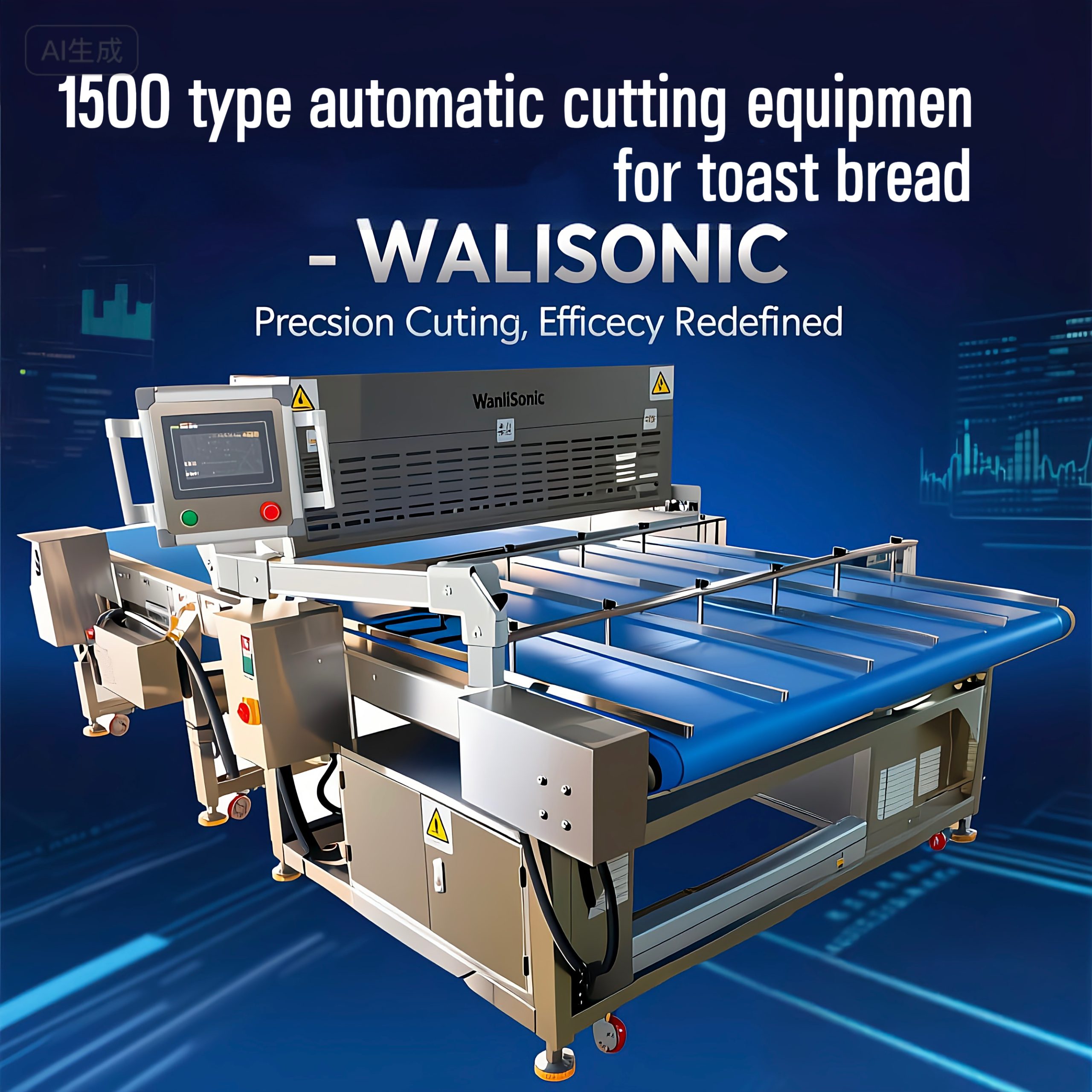
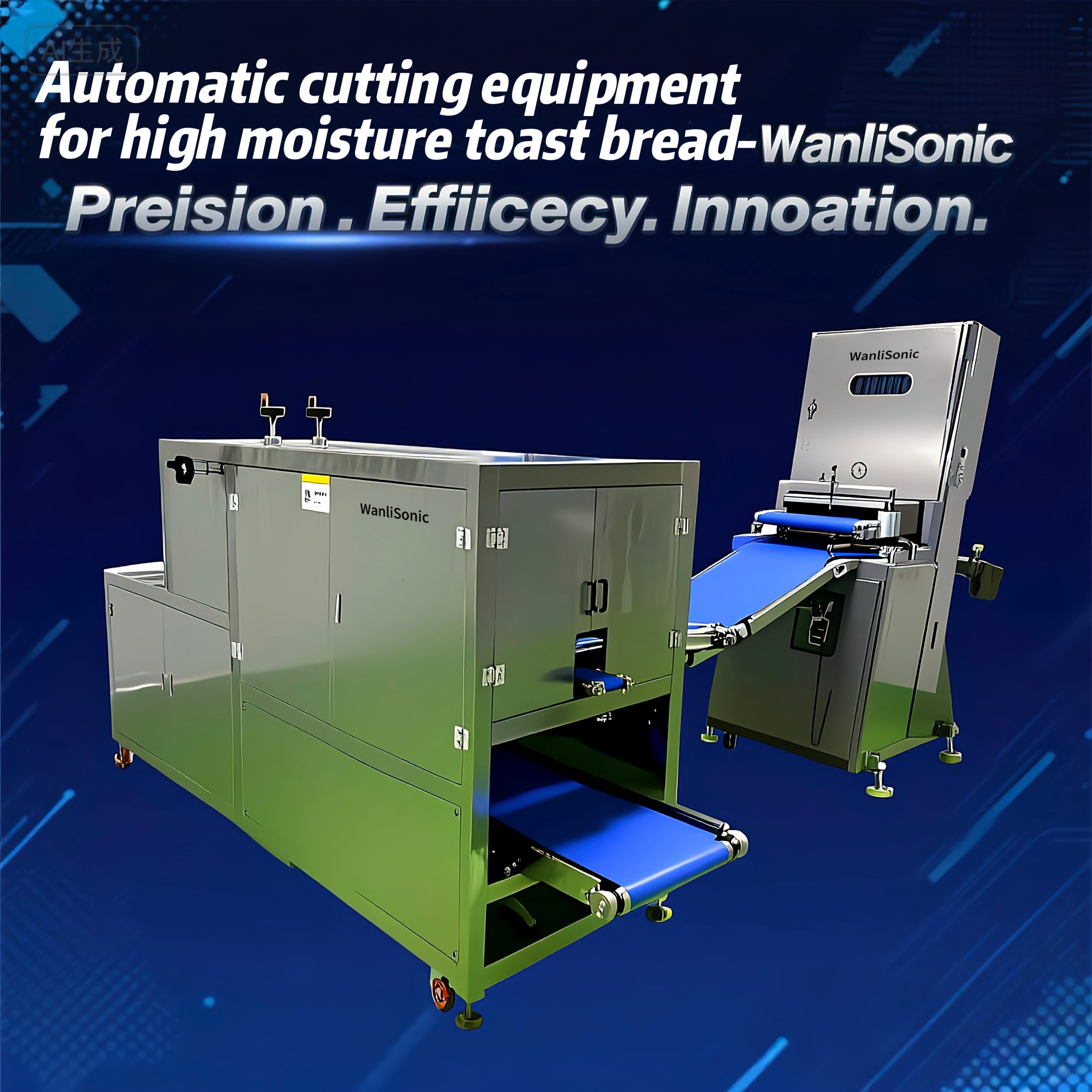
Bread — a fundamental staple enjoyed by people worldwide — remains deceptively difficult to slice perfectly, especially when quality and production efficiency are priorities. Traditional blades can compress soft loaves, create excess crumbs, and require frequent cleaning. But what if a solution existed that could deliver uniform slices with less waste, greater speed, and superior productivity?
This is where Wanlisonic’s Ultrasonic Bread Cutting Machine steps in — a cutting-edge industrial solution showcasing advanced technology that may redefine slicing standards in modern bakeries. Based on the video demonstration from the link above, this technology promises to tackle baking industry pain points through precision, automation, and innovative engineering.
Let’s explore what ultrasonic bread cutting is, how it works, and why bakeries — from artisan shops to industrial production lines — should be paying attention.
Why Bread Slicing Is a Bigger Challenge Than You Think
In bakery operations, cutting bread may look simple, but traditional cutting methods struggle when it comes to maintaining product integrity. Soft, freshly baked loaves often deform under pressure; crusty artisan bread can crumble unpredictably; and sticky or filled breads can create significant waste and cleaning issues.
Traditional bread slicers can also slow down production, especially in facilities processing hundreds of loaves per hour. For large-scale operations, these inefficiencies translate directly into higher costs and lower consistency — two metrics no bakery wants to compromise.
What Is Ultrasonic Bread Cutting Technology?
Ultrasonic bread cutting is an industrial slicing method that combines ultrasonic vibration and mechanical cutting to enable cleaner, smoother bread slices without the drawbacks of traditional blades. The core principle involves making the blade vibrate at very high frequencies (typically above 20,000 times per second), which dramatically reduces friction during cutting. This vibration creates a nearly friction-free slicing action, allowing the blade to pass through soft or delicate bread without compressing its structure.
In contrast to conventional whetstone knives or serrated blades, ultrasonic blades can:
-
Produce uniform slices consistently
-
Minimize crumb production
-
Reduce cleaning and downtime
-
Maintain the shape and texture of bread
-
Improve overall production throughput
Ultrasonic bread cutting works whether the bread is soft, crusty, filled, or unfilled, making it a versatile solution for a wide range of bakery products.
How the Wanlisonic Ultrasonic Bread Cutting Machine Works
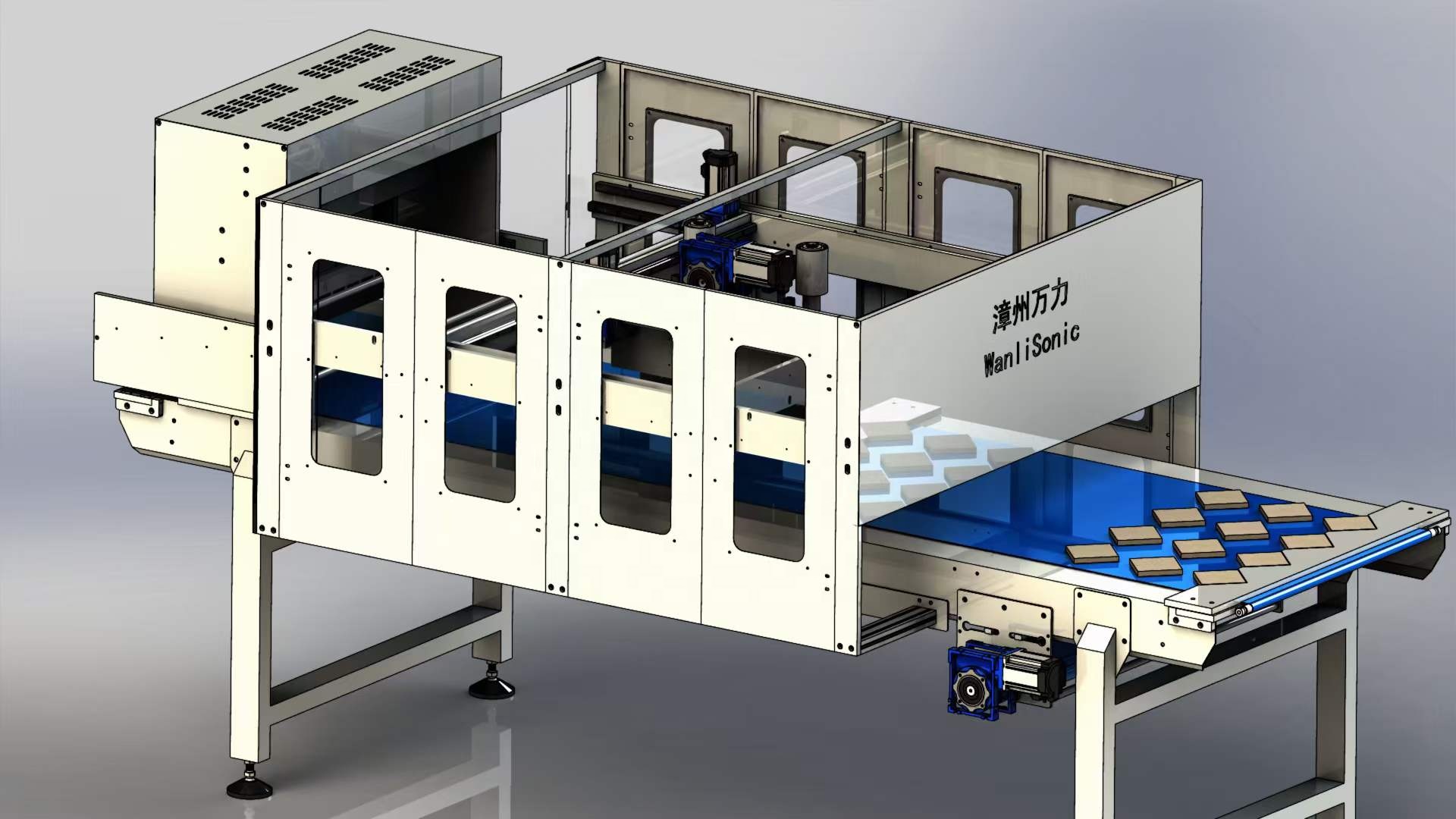
The video demonstrates the Wanlisonic ultrasonic bread cutter in action: a sleek, industrial-grade machine designed to integrate with bakery production lines seamlessly. The system combines high-frequency vibration technology with automated conveyor and control systems, enabling precise and repeatable slicing that would be nearly impossible with manual blade systems alone.
Ultrasonic Blade Technology
At the heart of the machine lies the ultrasonic blade system. These blades are typically made of titanium alloy, which offers excellent vibration transmission and durability. When the ultrasonic generator powers the blade, it oscillates thousands of times per second, slicing the bread with minimal physical force — resulting in a clean, tidy cut with very few crumbs.
Automated Feeding and Control
The machine integrates a conveyor belt and user-friendly interface, allowing operators to set:
-
Slice thickness
-
Cutting speed
-
Feed rate
The automation not only ensures repeatability but also dramatically reduces manual labor, allowing bakers to allocate human resources to other production tasks.
Adaptability to Bread Types
Unlike many industrial bread slicers that specialize only in consistent sandwich loaves, this ultrasonic solution can handle a variety of breads — including artisan loaves, baguettes, sandwich loaves, and even breads with irregular textures. Different bread densities and shapes can be accommodated with adjustable cutting parameters, making it a flexible choice for mixed bakery lines.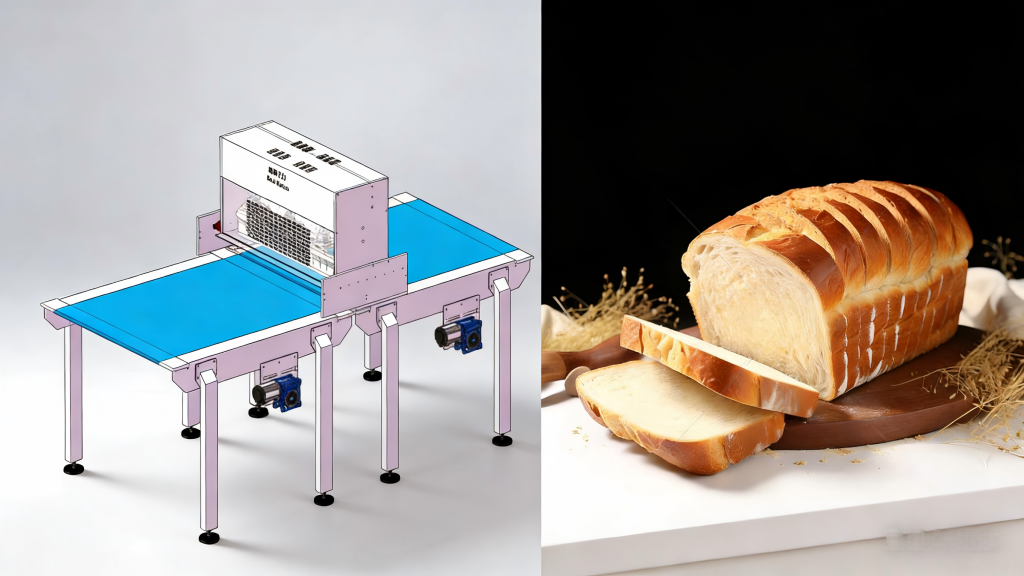
Benefits for Bakeries of All Sizes
The benefits of ultrasonic bread cutting machines like those from Wanlisonic extend across multiple areas of bakery production:
1. Enhanced Production Efficiency
With the ability to produce slices consistently at adjustable speeds — often up to dozens of cuts per minute — these machines significantly boost productivity compared to manual or semi-automatic slicing systems.
2. Reduced Waste and Cleanup
Traditional blades generate crumbs that must be cleaned frequently, and wasted bread ends up in trash. The ultrasonic system’s low-friction cutting process minimizes crumbing and reduces the time required for cleaning.
3. Consistent Slice Quality
Ultrasonic cutting ensures that even delicate breads are cut with uniformity, reducing variability — a crucial factor for branded products or standard retail packaging.
4. Improved Food Safety and Hygiene
Because the blade surface remains smooth and non-sticky during cutting, it reduces areas where food debris can adhere, facilitating easier sanitation and lower contamination risk.
Real-World Applications and Use Cases
Ultrasonic bread cutting machines are ideal for:
-
Commercial bakeries producing large volumes daily
-
Artisan shops seeking pristine slice quality
-
Retail product lines requiring standard specifications
-
Frozen and chilled bread operations needing gentle slicing
-
Sandwich producers with high-speed requirements
Whether you’re slicing soft sandwich bread for packaging or crusty artisan loaves for display, ultrasonic cutting technology ensures consistent results with less waste.
FAQ-Ultrasonic Bread Cutting Machine
Q1: How does ultrasonic bread cutting differ from traditional slicing?
A: Ultrasonic bread cutting uses high-frequency vibration to reduce friction and deliver clean cuts with minimal crumbs and no bread compression, unlike conventional blades.
Q2: Can this machine handle different types of bread textures?
A: Yes — from soft sandwich loaves to crusty artisan bread and even breads with fillings or irregular structures, the machine can be adjusted to suit a wide variety of products.
Q3: Does the ultrasonic blade require frequent maintenance?
A: The blades are designed to stay clean during operation due to the vibration effect, reducing the need for frequent maintenance and lowering downtime.
Q4: Is the machine suitable for high-volume bakery production?
A: Absolutely — with automated feeding, adjustable settings, and high cutting rates, it is ideal for commercial bakeries and production lines.
Q5: Will this reduce overall production costs?
A: By minimizing waste, reducing cleaning time, and increasing throughput, ultrasonic bread cutting machines can lower labor and waste costs, improving profitability.
Contact Information:
Lucy Zheng (Senior Customer Consultant)
📧 Email: sales4@wanlisonic.com
📞 Tel / WhatsApp / WeChat: +86 15715037520