Advanced Ultrasonic Technology Supports Modern Bakery Manufacturing
As the global bakery industry continues to evolve, cookie manufacturers are placing greater emphasis on production efficiency, consistent product quality, and attractive appearance. For commercial bakeries and large-scale food processing facilities, achieving uniform cookie shapes while maintaining a smooth cutting surface can be challenging, particularly when working with soft, sticky, or ingredient-rich dough.
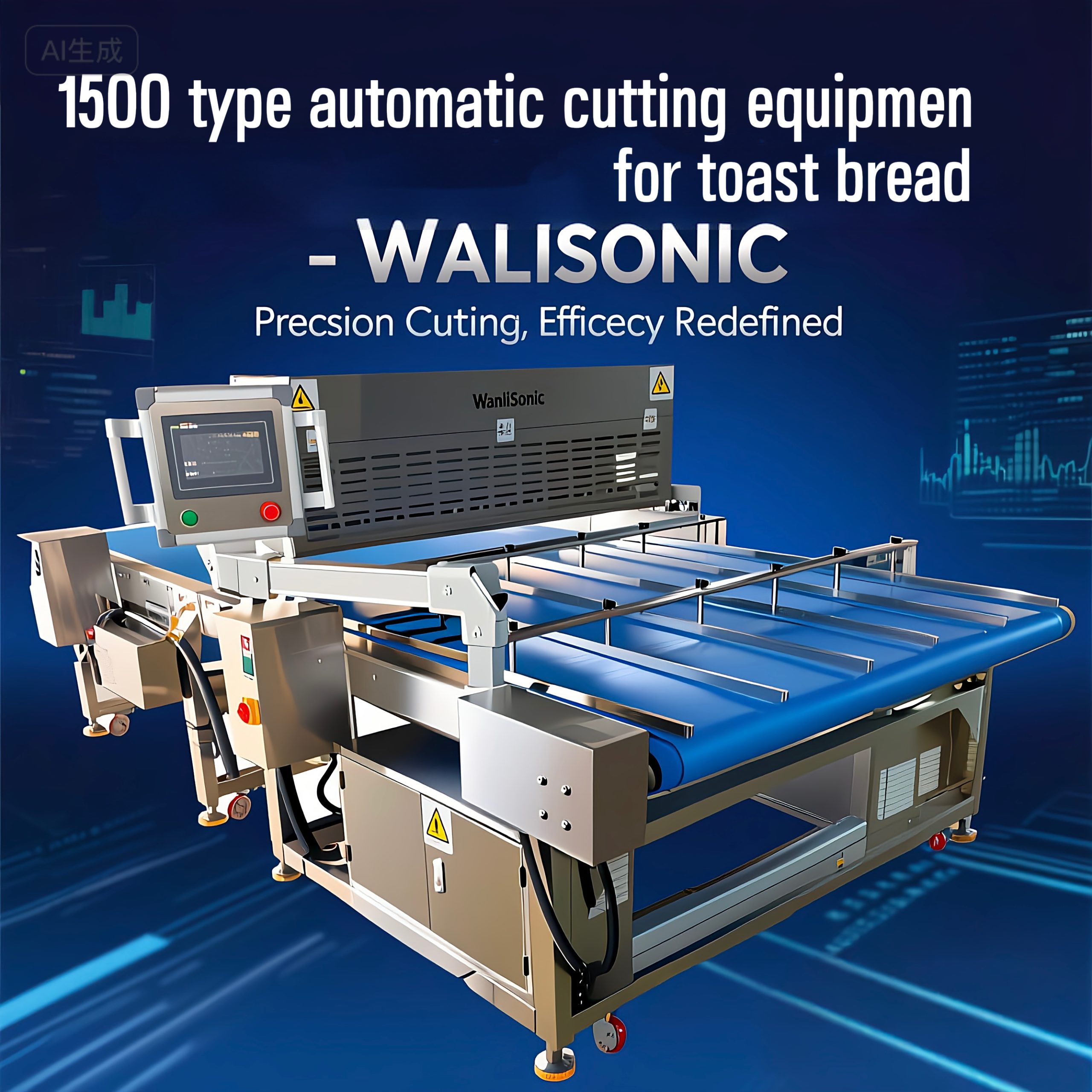
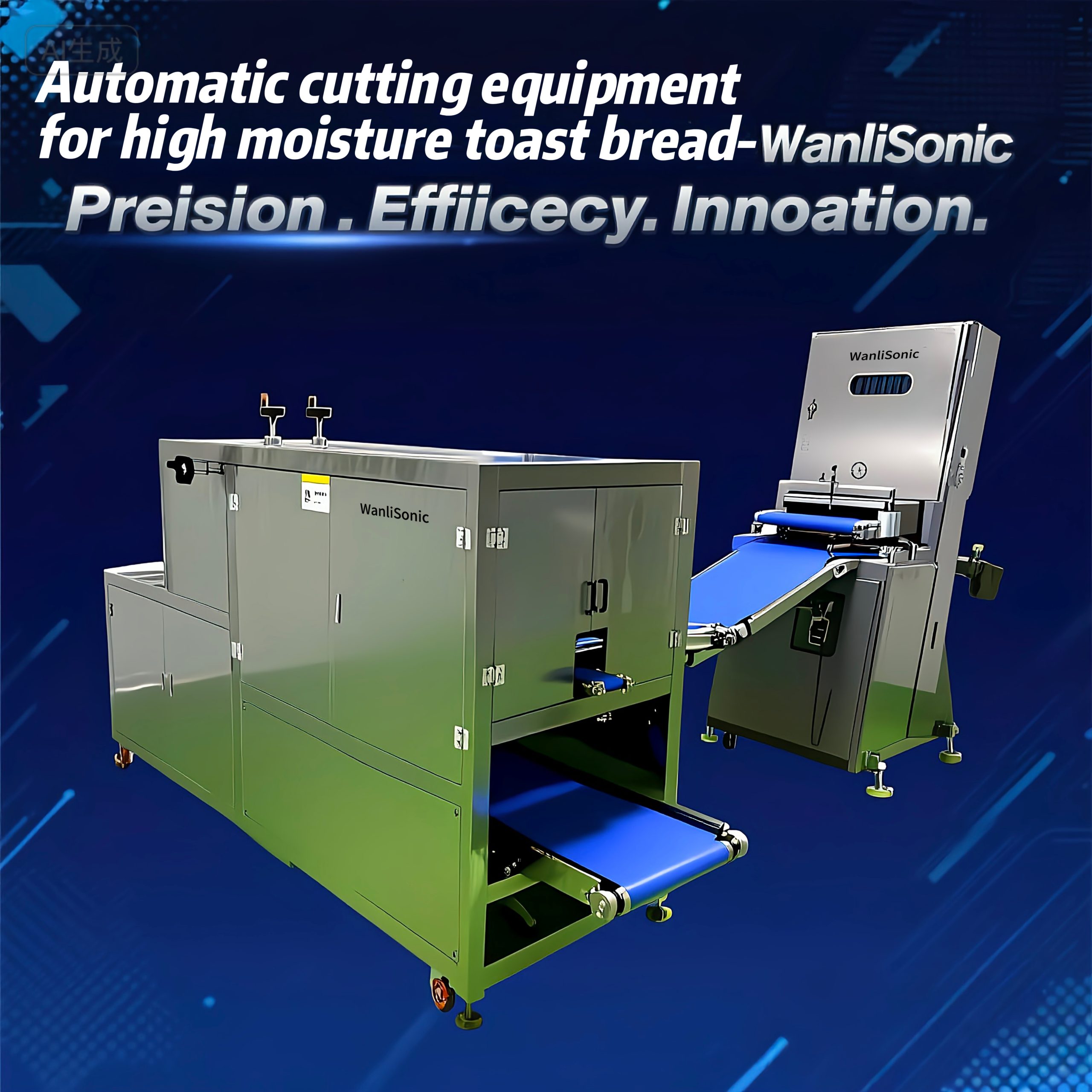
The Wanlisonic Ultrasonic Cookie Cutting Machine offers an advanced solution by combining ultrasonic vibration technology with precision cutting mechanisms. Designed to help improve cutting consistency and streamline production, the machine supports modern bakeries in meeting changing market demands while maintaining reliable product standards.
A recent product demonstration highlights the potential of ultrasonic cookie cutting technology to make the dough-cutting process more precise and efficient. By reducing friction between the blade and the dough, ultrasonic cutting can help address common production issues such as sticking, deformation, and uneven edges.

How Ultrasonic Cookie Cutting Technology Works
Traditional cookie cutting methods rely on mechanical force to separate dough into individual portions. Depending on the dough’s texture and ingredients, this process may cause material to stick to the blade, distort the product shape, or create inconsistent cutting results. These issues can lead to additional cleaning, product waste, and interruptions to production.
The Wanlisonic Ultrasonic Cookie Cutting Machine uses a blade driven by high-frequency mechanical vibration. The rapid micro-vibrations reduce friction during cutting, allowing the blade to pass through suitable dough materials more smoothly and with less resistance.
This technology is particularly useful when processing dough containing ingredients such as chocolate chips, nuts, raisins, or dried fruit. With conventional cutting equipment, these inclusions can sometimes interfere with the cutting process. Ultrasonic cutting helps reduce dragging and sticking, supporting cleaner edges and more consistent product presentation.
The actual cutting results depend on dough formulation, temperature, product dimensions, blade configuration, and operating parameters. For this reason, manufacturers should evaluate the machine using their own recipes and production requirements before finalizing a configuration.
Key Advantages of the Wanlisonic Ultrasonic Cookie Cutting Machine
1. Consistent Shapes and Clean Cutting Edges
Cookie appearance plays an important role in consumer satisfaction and brand recognition. Products with uneven edges or inconsistent dimensions can affect packaging, display quality, and production yield.
Ultrasonic cutting helps reduce the deformation that may occur when excessive mechanical pressure is applied to soft dough. With suitable cutting parameters, manufacturers can achieve more uniform portions and neat edges, helping products maintain a consistent appearance from batch to batch.
For factories producing cookies in large quantities, improved consistency can also simplify downstream processes such as baking, inspection, sorting, and packaging.
2. Reduced Blade Sticking and Product Waste
Dough adhesion is a common challenge in cookie manufacturing. When material accumulates on a conventional blade, operators may need to stop the equipment for cleaning. Residue can also affect subsequent cuts and reduce the visual quality of finished products.
The high-frequency vibration of an ultrasonic blade helps minimize friction and material buildup during cutting. This can reduce interruptions associated with blade cleaning and help manufacturers use dough more efficiently.
Although ultrasonic cutting cannot eliminate all adhesion under every condition, it offers a practical advantage when processing recipes that are particularly soft, sticky, or rich in inclusions.
3. Improved Production Efficiency
In commercial baking, cutting is one stage of a larger production workflow. Slow or inconsistent cutting can create bottlenecks between dough preparation, forming, baking, and packaging.
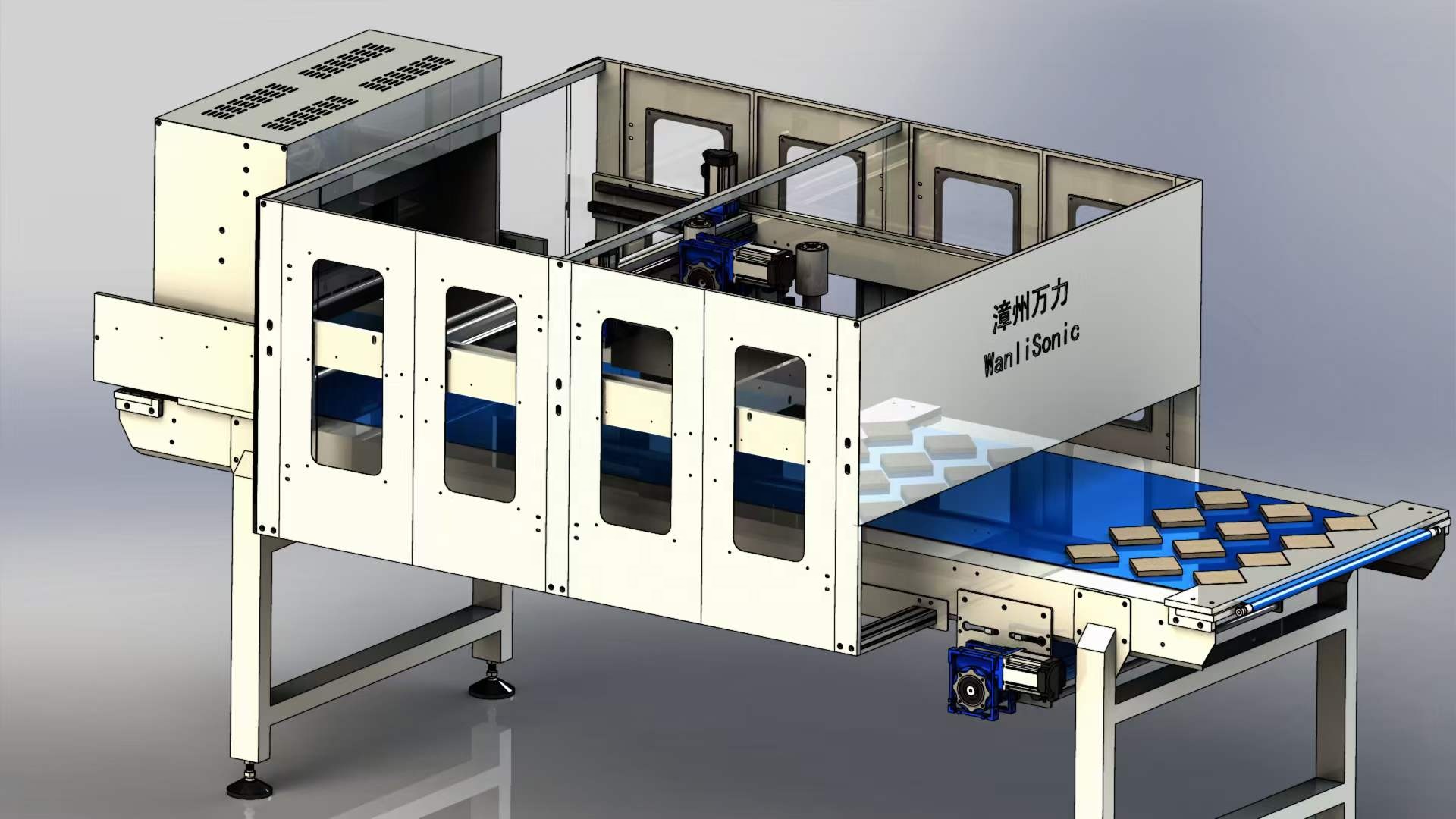
Depending on the selected model, the Wanlisonic system can be configured to support automated cutting operations and integration with other production equipment. Adjustable operating parameters help manufacturers align cutting performance with product size, dough characteristics, and line requirements.
Published Wanli materials describe configurations with cutting speeds of up to 150 cuts per minute. This figure should be treated as a model-specific reference rather than a guaranteed output for every application. Actual production capacity depends on the machine configuration, cutting pattern, product spacing, and operating conditions.
For businesses planning to upgrade their production lines, a product trial and capacity assessment can help determine the most suitable solution.
4. Flexible Applications for Different Cookie Products
Cookie manufacturers often produce multiple varieties to respond to seasonal demand, private-label orders, and changing consumer preferences. A flexible cutting solution can help reduce changeover difficulties and support a broader product range.
Depending on the machine and tooling selected, ultrasonic cookie cutting systems may be suitable for different dough formulations and product designs. Potential applications include traditional cookies, chocolate-chip cookies, nut-containing biscuits, and specially shaped products.
Manufacturers may also explore customized cutting patterns to create distinctive product shapes. Before production, the dough’s consistency, ingredient distribution, target dimensions, and desired appearance should be assessed to confirm the appropriate cutting setup.
5. Hygiene and Convenient Operation
Food safety and cleaning efficiency are essential considerations for any bakery production line. Equipment should be designed to support routine sanitation and minimize unnecessary downtime.
Wanlisonic’s ultrasonic food-cutting solutions use specialized cutting components and industrial control systems. Depending on the selected configuration, stainless-steel construction, touchscreen controls, and adjustable cutting settings can help operators manage daily production more conveniently.
Regular cleaning, inspection, and maintenance should follow the manufacturer’s instructions. Operators should also verify that all food-contact components and cleaning procedures meet the hygiene requirements applicable to their facility and target market.
Supporting the Development of Automated Bakeries
Automation is becoming increasingly important as bakeries seek to improve productivity, reduce repetitive manual work, and maintain consistent product quality. An ultrasonic cookie cutting machine can contribute to this transition by improving the cutting stage and supporting integration with suitable upstream and downstream equipment.
For example, a production system may connect dough extrusion or forming equipment with an automatic cutting unit and a tray-handling process. The precise arrangement depends on the cookie recipe, factory layout, production target, and degree of automation required.
Before investing in new equipment, manufacturers should consider more than cutting speed alone. Important evaluation factors include product quality, changeover time, cleaning requirements, labor needs, floor space, and compatibility with existing machinery.
Wanlisonic focuses on ultrasonic food-cutting solutions for bakery and food-processing applications. By selecting equipment according to real production needs, manufacturers can work toward a more efficient process while maintaining the quality and appearance expected by their customers.
Conclusion
The Wanlisonic Ultrasonic Cookie Cutting Machine demonstrates how ultrasonic technology can help address familiar challenges in cookie manufacturing. By reducing cutting friction, minimizing dough deformation, and supporting consistent product dimensions, the system offers a practical option for bakeries seeking to improve production quality and efficiency.
For manufacturers evaluating an upgrade, the next step is to test representative dough samples and confirm the required cutting pattern, production capacity, and integration method. A properly matched configuration can help businesses build a more reliable cookie production process and respond more effectively to changing market demands.
FAQ
Q1: What is an ultrasonic cookie cutting machine?
An ultrasonic cookie cutting machine uses high-frequency mechanical vibration to help a blade cut cookie dough with reduced friction. It is designed to support clean cutting and consistent product shapes.
Q2: What types of cookies can it process?
Depending on the model and recipe, it may process traditional cookie dough, chocolate-chip dough, nut-containing dough, and other suitable formulations. Testing is recommended for each product.
Q3: Does ultrasonic cutting prevent dough from sticking to the blade?
Ultrasonic vibration helps reduce friction and material buildup, but results depend on dough composition, temperature, moisture, and operating settings. It should not be assumed to eliminate sticking completely in every application.
Q4: How fast can the machine cut cookies?
Cutting speed varies by model and configuration. Some Wanli product materials list speeds of up to 150 cuts per minute, but actual output should be confirmed through a product trial and technical assessment.
Q5: Can the machine produce different cookie shapes?
Customized shapes may be possible with suitable tooling and machine configuration. Manufacturers should discuss their target shapes and dimensions with the supplier.
Q6: Can the machine be integrated into an automated production line?
Depending on the selected system, it may be integrated with compatible dough-forming, conveying, and tray-handling equipment. Layout and capacity should be assessed before installation.
Q7: How can manufacturers choose the right machine?
Consider dough characteristics, cookie dimensions, cutting patterns, target output, available factory space, cleaning requirements, and existing equipment. Providing product samples and production specifications helps the supplier recommend a suitable configuration.
Contact Information: Annie (Senior Customer Consultant)
📧 Email: sales3@wanlisonic.com
📞 Tel / WhatsApp / WeChat: 008615880521772