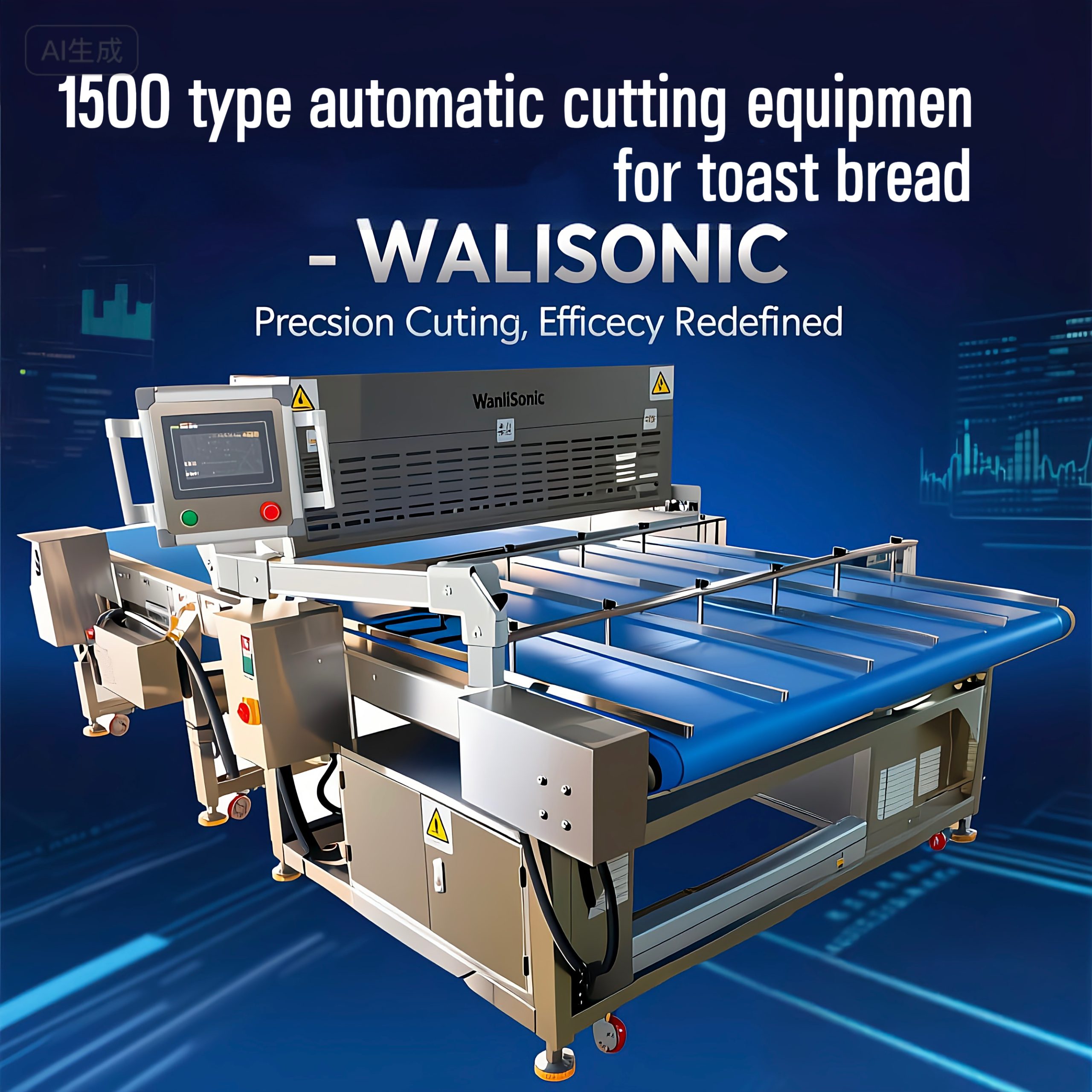
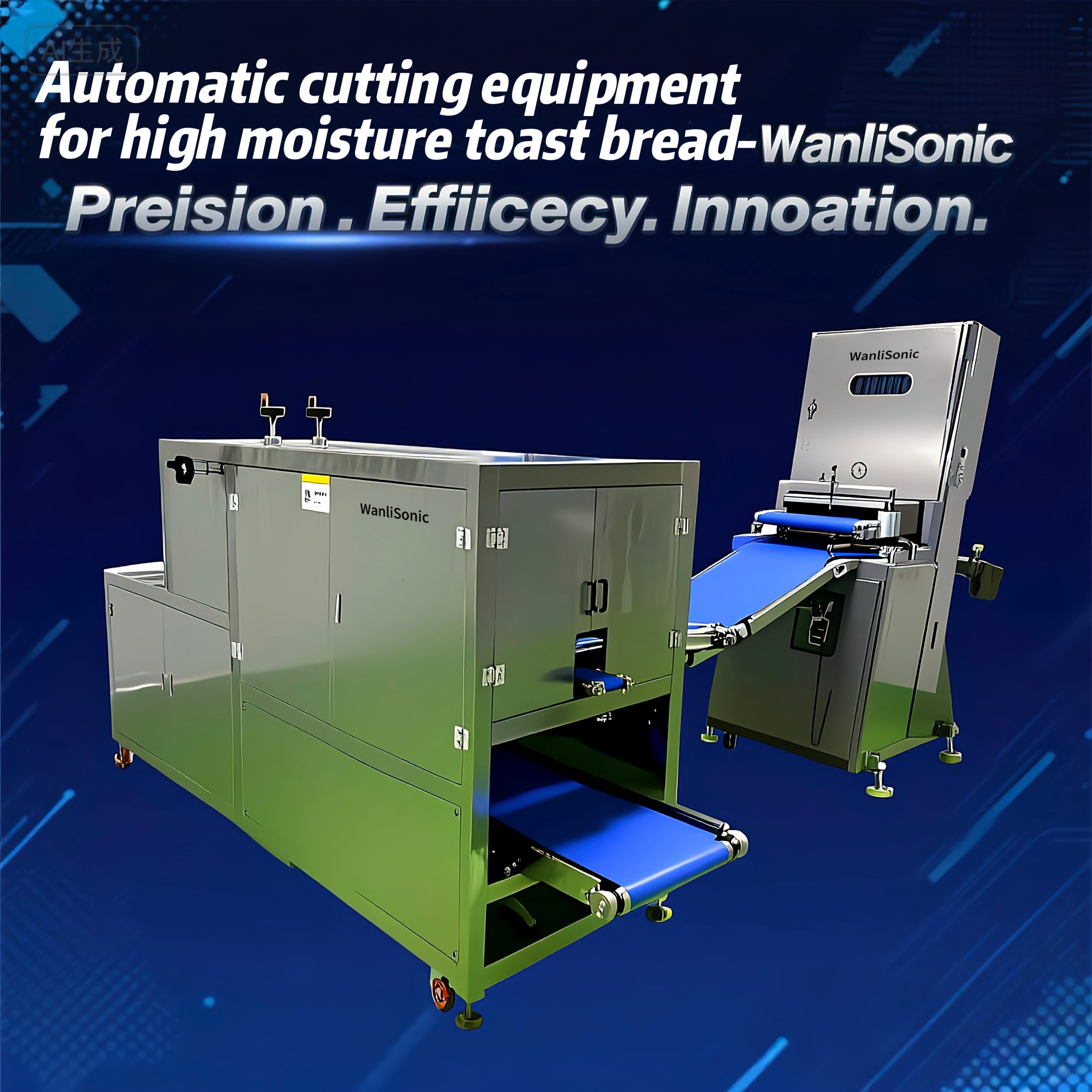
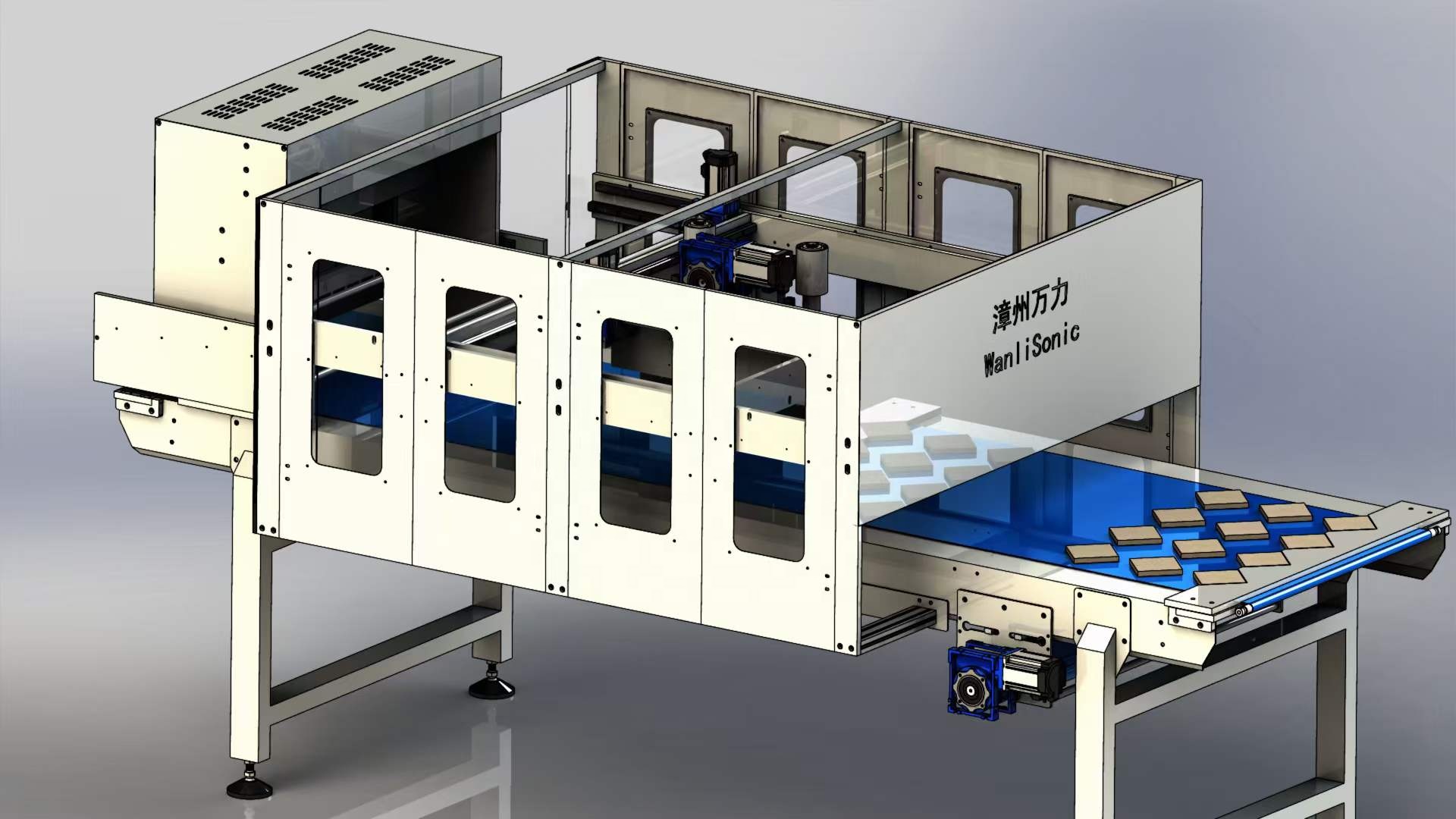
In today’s fast-paced bakery and food manufacturing industry, efficiency and product quality are no longer optional—they are essential. As consumer demand for visually appealing, consistently shaped cookies continues to rise, manufacturers are facing a critical question: how can you scale production without sacrificing precision?
The answer lies in advanced ultrasonic technology. The latest Wanlisonic Cookie Cutting Machine, as demonstrated in the YouTube video you provided, showcases how automation and innovation are reshaping cookie production lines.
A New Era of Cookie Cutting Technology
Traditional cookie cutting methods often struggle with sticky dough, uneven shapes, and product waste. These challenges not only slow down production but also affect the final product quality.
Wanlisonic introduces a smarter solution: ultrasonic cookie cutting technology. This system uses high-frequency vibrations to power the cutting blade, allowing it to glide smoothly through dough without sticking or deforming it.
In the video, the machine demonstrates seamless cutting of cookie dough into precise shapes—clean edges, uniform sizes, and minimal residue.
How Does the Wanlisonic Cookie Cutting Machine Work?
At the heart of the machine is an ultrasonic generator that converts electrical energy into high-frequency vibrations (typically around 20kHz or higher). These vibrations are transferred to the blade, reducing friction during the cutting process.
Working Process:
- Dough is extruded or placed on the conveyor system
- The ultrasonic blade vibrates at high frequency
- The blade cuts through dough cleanly with minimal pressure
- Finished cookies maintain their shape and structure
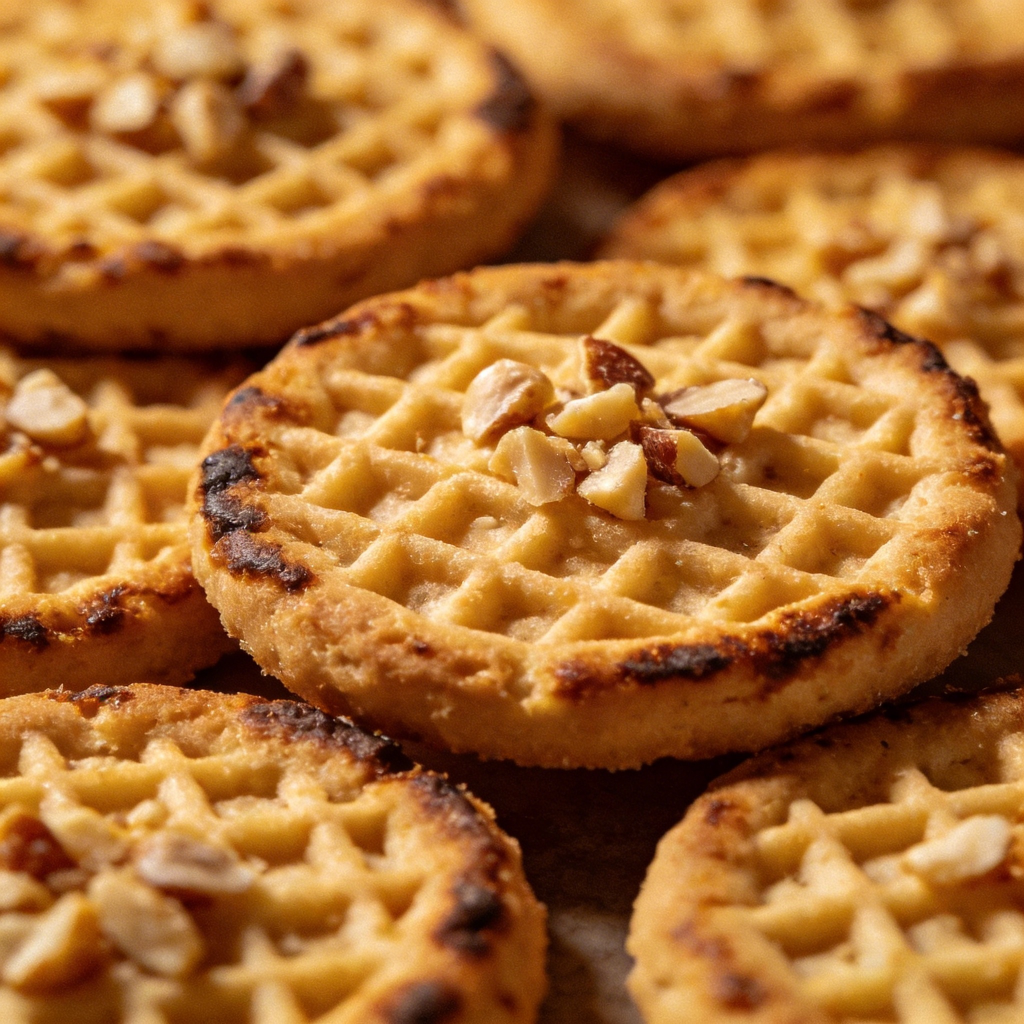
This process ensures that even soft, sticky, or ingredient-rich dough (like nuts or chocolate chips) is cut without damage.
Key Features Highlighted in the Video
1. High-Speed Production
Wanlisonic machines can achieve impressive cutting speeds, reaching up to 110 cuts per minute or more, depending on the model.
This significantly increases output compared to manual or traditional cutting methods.
2. Precision and Consistency
Each cookie is identical in size and shape, ensuring uniformity for packaging and branding.
3. Non-Stick Cutting Technology
Ultrasonic vibration reduces friction, preventing dough from sticking to the blade—one of the biggest issues in traditional systems.
4. Versatile Shape Customization
From classic round cookies to creative designs like stars and flowers, the machine supports a wide range of molds and patterns.
5. Automation Integration
The machine can be integrated into fully automated production lines, reducing labor costs and improving efficiency.
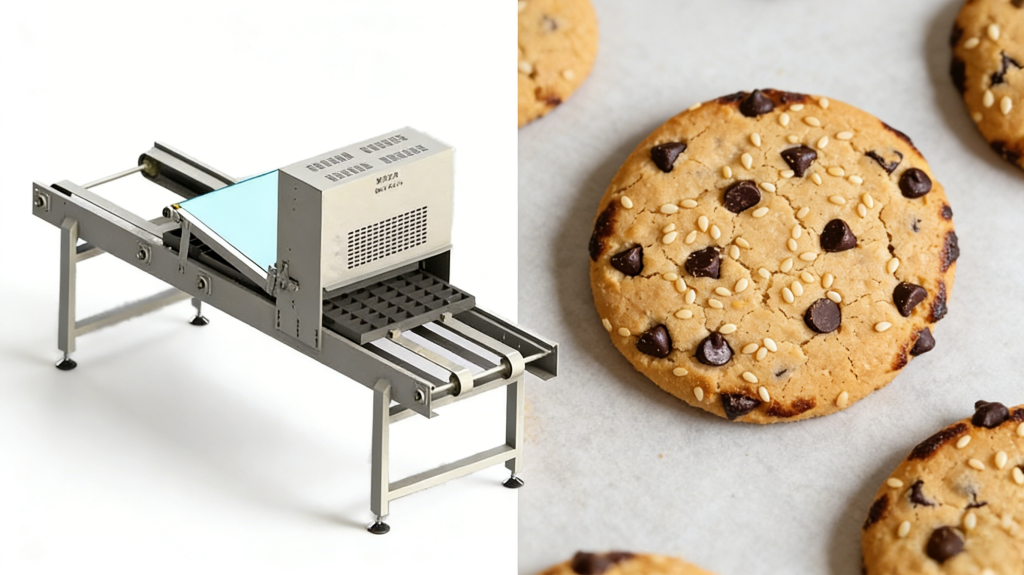
Why Ultrasonic Cutting Is Ideal for Cookies
Cookies may seem simple, but their dough characteristics can vary greatly—soft, sticky, layered, or filled with ingredients. Traditional cutting methods often lead to:
- Deformed shapes
- Crumbling edges
- Sticking and residue buildup
- Inconsistent portion sizes
Ultrasonic cutting eliminates these issues by minimizing blade resistance and preserving dough integrity.
Applications in Modern Bakeries
The Wanlisonic Cookie Cutting Machine is designed for a wide range of production environments:
Industrial Bakeries
High-volume production lines benefit from speed, automation, and consistent output.
Medium-Sized Food Factories
Improves efficiency while maintaining flexibility for different cookie types.
Artisan and Specialty Producers
Supports customized shapes and premium product presentation.
Advantages for Food Manufacturers
1. Increased Productivity
Automated cutting allows continuous operation, reducing downtime.
2. Reduced Waste
Clean cuts mean fewer broken or unusable products.
3. Improved Hygiene
Less manual handling leads to better food safety standards.
4. Better Product Presentation
Smooth edges and consistent shapes enhance visual appeal—critical for retail success.
Comparison: Traditional vs. Ultrasonic Cutting
| Feature | Traditional Cutting | Wanlisonic Ultrasonic Cutting |
|---|---|---|
| Cutting Quality | Uneven, messy | Clean, precise |
| Blade Sticking | Frequent | Minimal |
| Speed | Limited | High-speed automation |
| Waste | Higher | Reduced |
| Flexibility | Low | High customization |
Future Trends in Cookie Production
As food automation continues to evolve, ultrasonic technology is expected to play an even bigger role. Industry trends include:
- Full integration with robotic systems
- AI-driven cutting optimization
- Smart sensors for real-time adjustments
- Compact machines for small-scale operations
Wanlisonic is already advancing in these areas, offering customizable solutions tailored to different production needs.
Conclusion
The Wanlisonic Cookie Cutting Machine is more than just a piece of equipment—it’s a productivity upgrade for modern bakeries. By combining ultrasonic precision, automation, and flexibility, it helps manufacturers produce high-quality cookies faster and more efficiently.
If your goal is to scale production while maintaining perfect product quality, this technology offers a clear competitive advantage.
FAQ-ultrasonic cookie cutter
1. What types of cookies can the machine cut?
It can handle a wide range, including soft cookies, wire-cut cookies, filled cookies, and dough with nuts or chocolate chips.
2. Does ultrasonic cutting damage the dough?
No. The vibration reduces pressure, ensuring the dough structure remains intact and visually appealing.
3. Can the machine be customized?
Yes. Blade size, cutting speed, and shapes can all be adjusted based on production needs.
4. Is it suitable for high-volume production?
Absolutely. The machine is designed for continuous operation and can be integrated into automated lines.
5. How does it improve efficiency?
By reducing sticking, minimizing waste, and increasing cutting speed, overall productivity is significantly improved.
Contact Information:
Lucy Zheng (Senior Customer Consultant)
📧 Email: sales4@wanlisonic.com
📞 Tel / WhatsApp / WeChat: +86 15715037520