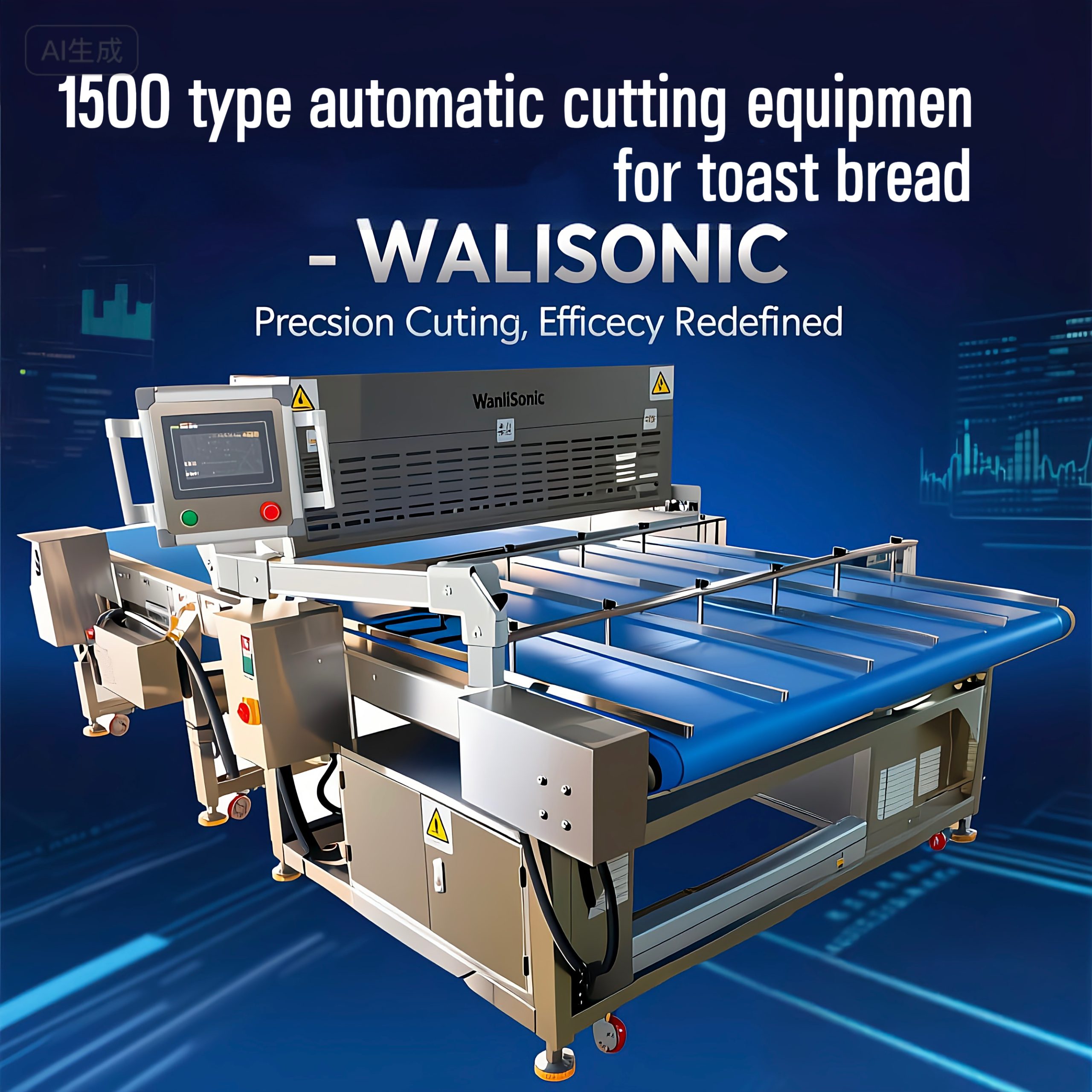
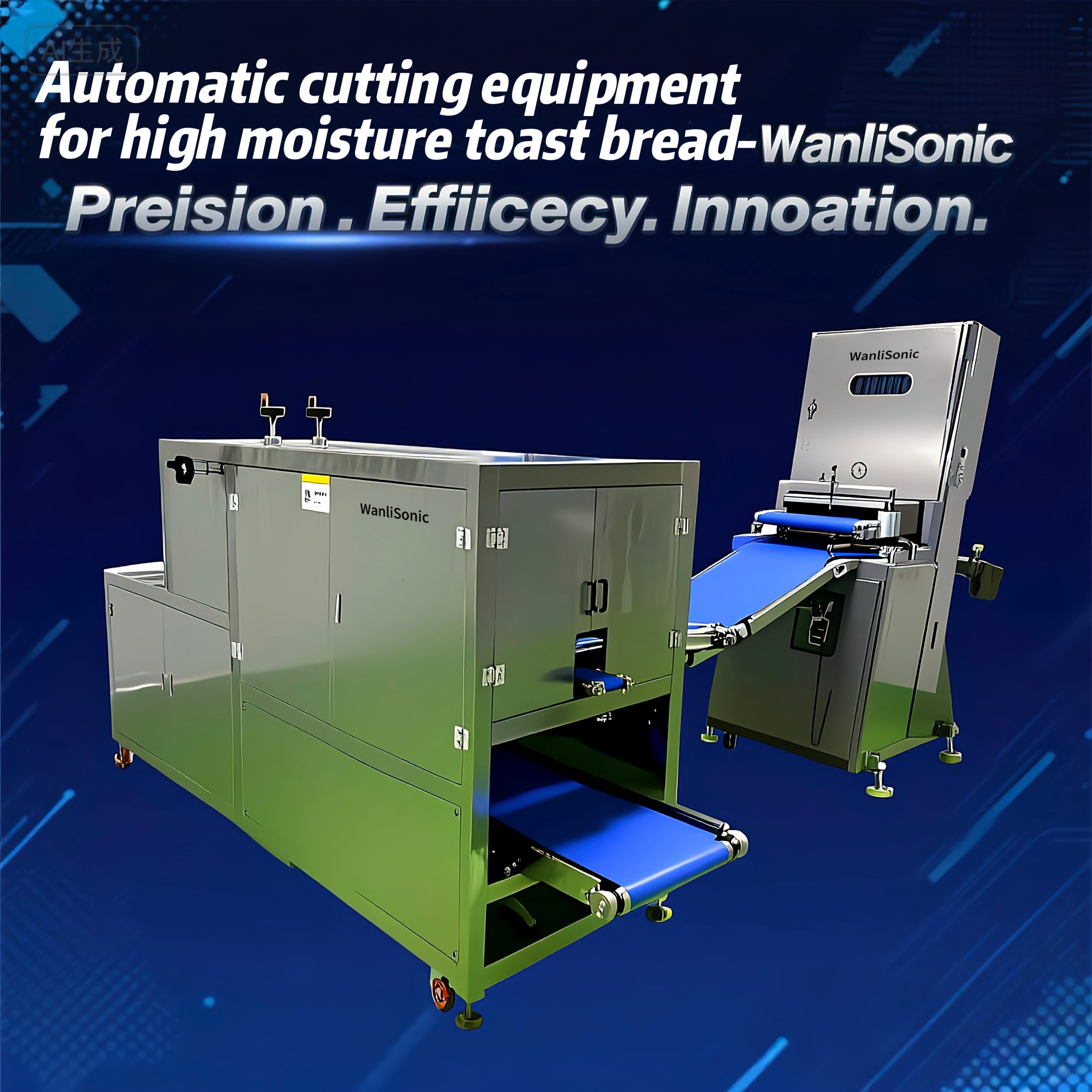
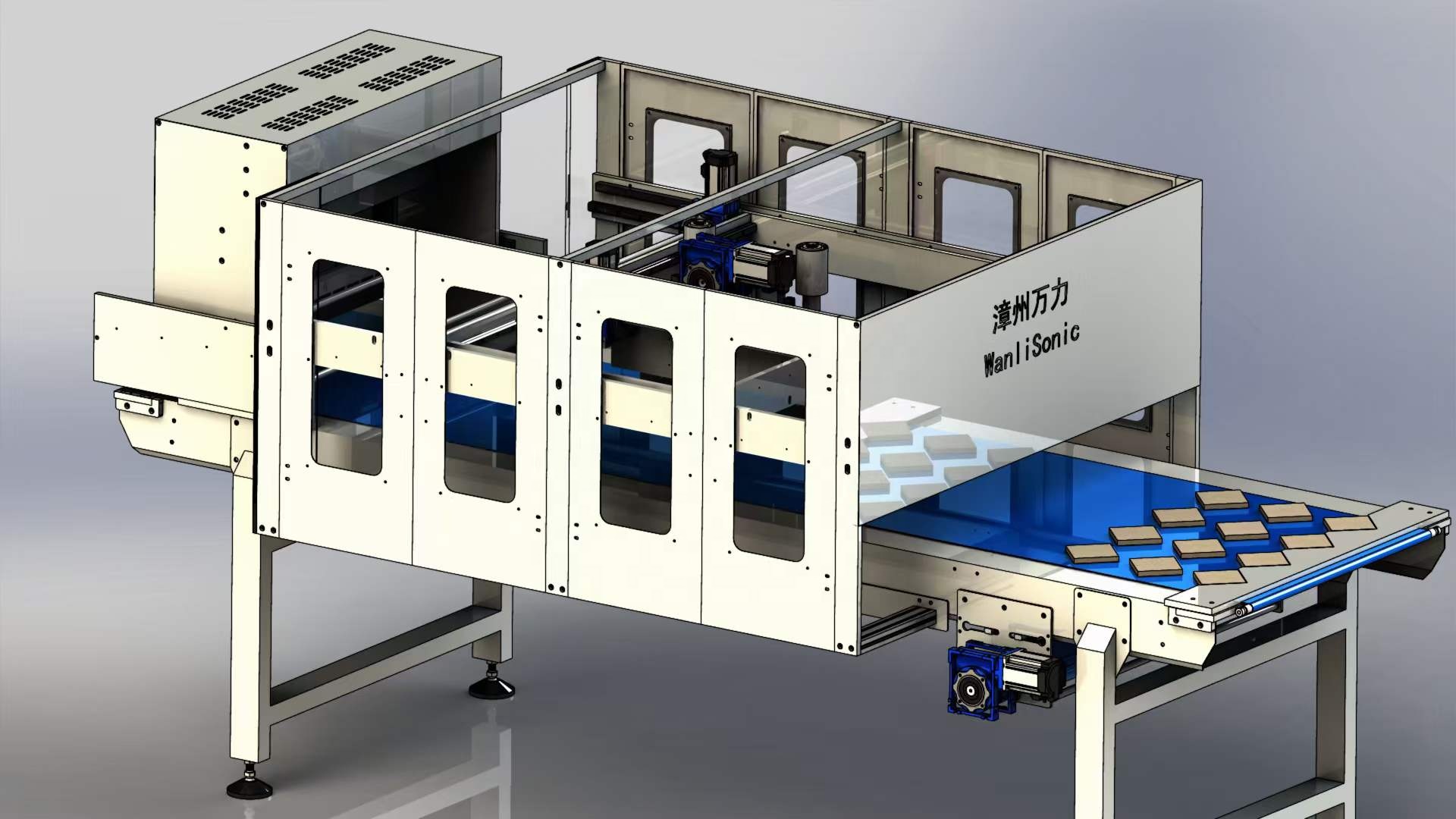
A new era of precision confectionery manufacturing has dawned with the unveiling of the Wanlisonc Ultrasonic Nougat Cutting Machine, a state-of-the-art industrial food slicing solution that is rapidly gaining attention from bakeries and candy producers around the world. The technology, highlighted in a recently released YouTube showcase, demonstrates how high-frequency ultrasonic vibration can transform the traditional approach to cutting nougat — a notoriously difficult confection to slice cleanly due to its sticky, chewy texture.
With the rising global demand for uniformly shaped confections and faster production cycles, manufacturers are seeking methods that improve consistency without compromising quality. The Wanlisonc Ultrasonic Nougat Cutting Machine promises to deliver on these objectives, providing unprecedented accuracy, minimal waste, and remarkable efficiency for high-volume production environments.
What Makes Ultrasonic Cutting Different?
Ultrasonic cutting is not merely a refinement of conventional blade technology — it is a fundamentally different approach grounded in physics. Instead of relying on mechanical pressure to force a blade through sticky food products, ultrasonic cutting uses high-frequency vibrations to reduce friction and allow the blade to glide through the nougat with minimal resistance. These vibrations, produced by an ultrasonic generator operating typically at around 20 kHz, transmit energy to a specially engineered titanium-alloy blade that vibrates at microscopic amplitudes.
This vibrational effect dramatically reduces sticking, minimizes deformation, and creates a clean, smooth slice with a mirror-like finish — something virtually impossible with traditional guillotine or rotary blades, which can tear or compress sensitive materials. The result is a slice that looks polished, tastes unaltered, and improves the packaging appeal of final products.
Unlike heated or friction-based cutting tools that can negatively affect texture and flavor, ultrasonic cutting generates little heat and preserves the integrity of the candy’s structure. The machine’s consistent, repeatable performance makes it ideal for commercial nougat producers, seasonal candy makers, and multinational confectionery brands aiming to improve quality while lowering production costs.
Highlights from the Video Demonstration
The YouTube video of the Wanlisonc Ultrasonic Nougat Cutting Machine (published in April 2025) provides a real-time look at how the system operates in a production setting. Key takeaways from the demonstration include:
-
Seamless Integration: The machine can be seamlessly integrated into existing conveyor-based production lines, allowing continuous workflow from bulk nougat slab to finished portion.
-
User-Friendly Interface: Operators can adjust thickness, speed, and cut patterns via a touchscreen control panel that stores pre-set profiles for different confection types.
-
Clean, Non-Stick Cutting: Nougat pieces are shown separated cleanly without sticking to the blade or deforming, unlike traditional knife cuts which often result in jagged edges and wasted material.
-
Consistency at Speed: With cutting speeds of around 30–40 cuts per minute (and higher options available), the machine enables high throughput with maintained product uniformity.
The video underscores the machine’s ability to preserve both the appearance and texture of nougat while allowing large batches to be processed with minimal downtime or cleanup.
Business Impact and Industry Adoption
For many food producers, the biggest challenge with nougat and sticky candies is labor cost and inconsistent output when relying on manual or semi-automatic cutting tools. The Wanlisonc ultrasonic system tackles both challenges, significantly lowering labor needs and reducing product waste due to uneven cuts.
Industry insiders note that this technology is especially attractive for medium to large confectionery factories where productivity and quality drive profitability. By reducing the time needed for cleaning and maintenance — a persistent issue with conventional blades — ultrasonic cutters help factories meet tighter deadlines without sacrificing product standards.
Moreover, the machine’s stainless steel construction and food-grade components mean hygiene standards are easier to meet, an important consideration given the strict regulatory landscape governing food safety in many regions.
Custom Solutions for Diverse Needs
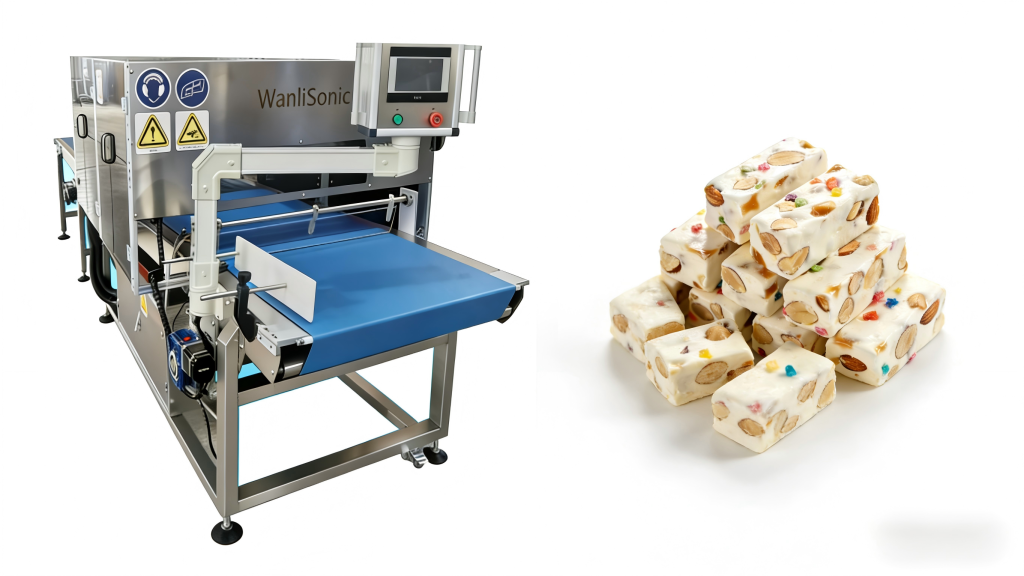
Wanlisonc — the brand developed by Zhangzhou Longhai Wanli Industry & Trade Co., Ltd .(“Wanli Group”) — has positioned itself as a leader in ultrasonic food cutting technology, offering customizable options for clients across the world. Whether customers are slicing multi-layered confectionery, seasonal sweets, or artisanal nougat bars, the company’s adaptable ultrasonic cutters can be tailored to market specifications and production capacities.
From small demonstration units for boutique chocolatiers to high-capacity industrial cutters for global brands, Wanlisonc’s solutions aim to scale with the customer’s business. Features like adjustable blade configurations, conveyor integration, and automated frequency control enhance flexibility and long-term return on investment.
FAQ
Q1: How does ultrasonic cutting preserve nougat quality?
A1: Ultrasonic cutting uses high-frequency vibration rather than pressure to slice candy, reducing deformation and preventing melting or sticking which can degrade texture and appearance.
Q2: Can the machine handle other types of confections?
A2: Yes — aside from nougat, the machine effectively cuts fudge, caramel, gummies, marshmallows, and similar products without sticking or tearing.
Q3: Is the machine suitable for small businesses?
A3: Wanlisonc offers a range of configurations, including models that fit smaller production environments while still delivering consistent ultrasonic cutting performance.
Q4: What maintenance is required?
A4: Daily surface cleaning and occasional blade inspection are typical; the non-stick nature of ultrasonic cutting reduces the frequency of deep cleanings compared with conventional blades.
Q5: How does ultrasonic cutting impact labor costs?
A5: By automating the cutting process and reducing cleanup, manufacturers can significantly reduce manual labor hours required per production cycle.
Contact Information: Annie (Senior Customer Consultant)
📧 Email: sales3@wanlisonic.com
📞 Tel / WhatsApp / WeChat: 008615880521772